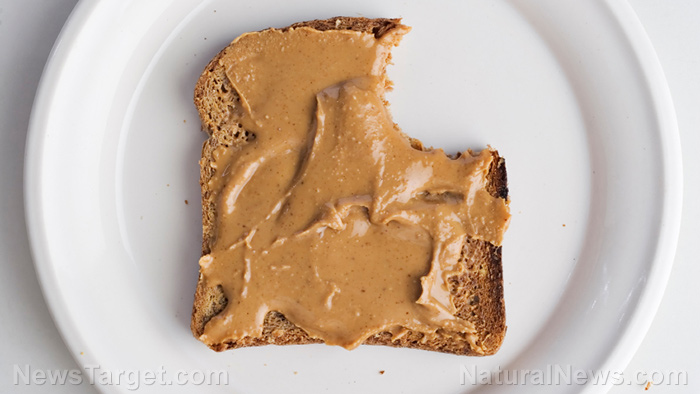
- A major peanut butter recall spans 40 states due to plastic contamination.
- The FDA classifies it as a serious Class II recall over choking hazards.
- More than 22,000 cases were shipped under various brand names to restaurants and retailers.
- This event highlights systemic production failures in the food industry.
- No injuries are reported, but it underscores fragile consumer trust in food safety.
The invisible hazard
So, what’s the big deal about a little plastic? The FDA defines a Class II recall as a situation where use of a product “may cause temporary or medically reversible adverse health consequences or where the probability of serious adverse health consequences is remote.” In simpler terms, those blue plastic fragments pose a potential choking hazard. This is not a trivial concern. Roughly 5,000 Americans die from choking every year, with children and the elderly at highest risk. Food is the leading cause of these tragedies. For a child with a narrower airway or an older adult with weakened swallowing muscles, an unexpected, unchewable piece of plastic in a soft food like peanut butter could have dire consequences. The recall notice did not specify the size of the plastic pieces found, but the fact that they were detected in a production filter was enough to trigger the removal of tens of thousands of cases from the market. The FDA has not specified whether any illnesses or injuries have been reported, which is a credit to the company’s voluntary action. But it also begs the question: how often do such contaminants go entirely unnoticed?A series of production failures
This incident is far from an isolated one. It fits a disturbing pattern of foreign material contaminating everyday foods. In the same week, Gerber Products Company recalled baby biscuits due to potential plastic and paper pieces, while Chips Ahoy! recalled a product because a mixing error created hard starch clumps deemed a choking hazard. These events point to systemic vulnerabilities in mass production. Filters fail, machinery sheds fragments, and human error introduces contaminants. Each recall notice assures the public that the company acted “with urgency” and that consumer safety is the “top priority.” Yet the recalls continue, month after month, for the same basic failures of sanitation and control. Ventura Foods, in a statement, said it “acted with urgency” to remove product ten months prior to the FDA’s classification, urging its customers and distributors to halt sales. A company spokesperson clarified these were not items typically sold directly to consumers in grocery aisles, but were provided to “restaurants or retailers” as a “complementary condiment.” This distribution method can make tracking the product even harder for the average person. This peanut butter recall is more than a story about plastic in a filter; it is a case study in the fragility of our trust. We trust that the food in sealed packets is pure, that factories are clean, and that regulators are in control. This latest in a long line of recalls proves that trust is, too often, misplaced. Sources for this article include: DailyMail.co.uk USAToday.com The-Independent.com ABC27.com


National Security alarm: Alleged Kirk assassin’s radical left ties and chilling messages exposed
By Patrick Lewis // Share

Bill Gates issues apology for Epstein ties, confesses extramarital affairs in town hall
By Ramon Tomey // Share
Bayer’s deep ties to Trump administration raise concerns over glyphosate policy and public health
By Kevin Hughes // Share

Russia accuses U.K. and France of plotting to SMUGGLE NUCLEAR WEAPON into Ukraine
By Belle Carter // Share

Iraq Detains Ukrainian Nationals Suspected in Plot Against Gulf Oil Facilities
By garrisonvance // Share

U.S. Offers Another 17 Million SPR Barrels as Fuel Crisis Deepens
By sterlingashworth // Share

U.S. Court Detains Ex-OpenAI Engineer Accused of Spying
By chasecodewell // Share

Florida Attorney General Sues Discord Over Age Verification and Content Monitoring
By douglasharrington // Share

IMF Chief Calls for AI Guardrails as Officials Weigh Economic Risks and Opportunities
By edisonreed // Share
