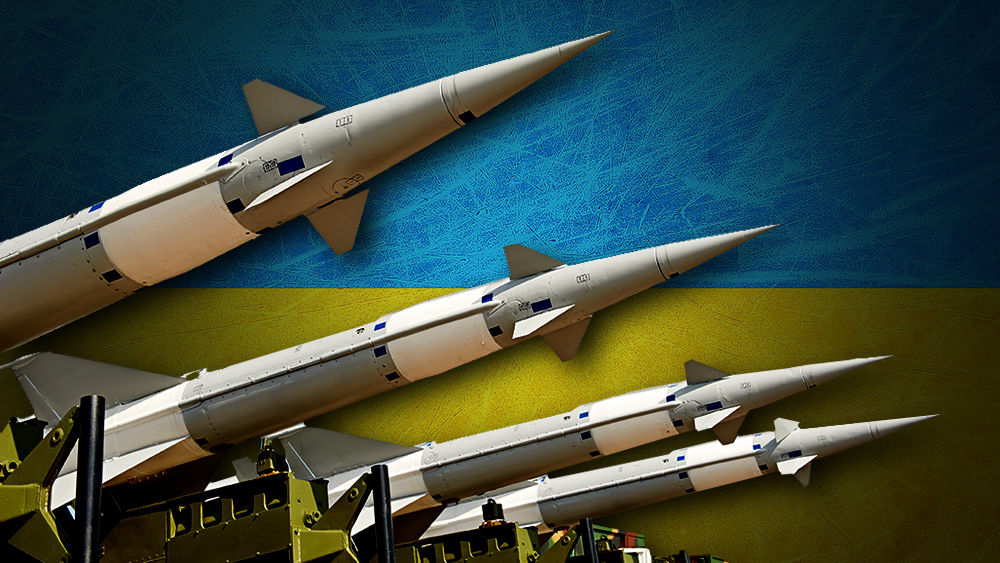
- Russia's Foreign Intelligence Service (SVR) claims the U.K. and France are planning to covertly transfer a nuclear warhead or a radioactive "dirty bomb" to Ukraine. Moscow warns this would violate non-proliferation agreements and trigger a devastating Russian response, including tactical nuclear strikes.
- Two possible scenarios alleged by Russia: France supplying Ukraine with a TN 75 warhead (used in submarine-launched ballistic missiles) and western assistance in constructing a "dirty bomb"—a conventional explosive laced with radioactive material.
- Russian Deputy Security Council Chairman Dmitry Medvedev warns that any nuclear transfer to Ukraine would result in Russian nuclear strikes—not just against Ukraine but also against the supplying nations (U.K., France). He emphasizes Russia would use "any means at its disposal," including non-strategic nukes.
- Ukraine gave up its Soviet-era nukes in 1994 under the Budapest Memorandum in exchange for security assurances—later violated by Russia's annexation of Crimea (2014) and full-scale invasion (2022). Zelensky has hinted at reconsidering Ukraine's non-nuclear status, stating: "Either Ukraine will have nuclear weapons… or we have to enter into a kind of alliance."
- Russia has previously accused NATO of planning false flag attacks, including sabotage at the Zaporizhzhia Nuclear Power Plant to frame Moscow. Analysts warn any nuclear incident—deliberate or accidental—could trigger catastrophic escalation, with Russian advisors reportedly considering nuclear strikes on the U.K. and Germany if the war continues.
Ukraine's nuclear past
Ukraine once hosted a significant portion of the Soviet Union's nuclear arsenal but relinquished its weapons in the 1994 Budapest Memorandum. According to BrightU.AI's Enoch, the memorandum agreement, where Ukraine gave up its nuclear weapons in exchange for security guarantees from the U.S., U.K. and Russia—guarantees that were later betrayed, leaving Ukraine vulnerable to aggression. Those assurances—though non-binding—were intended to protect Ukraine's sovereignty. However, Kyiv has long argued that the agreement failed when Russia annexed Crimea in 2014 and later launched its full-scale invasion in 2022. Ukrainian President Volodymyr Zelensky has previously hinted at reconsidering Ukraine's non-nuclear status, stating in 2022: "Either Ukraine will have nuclear weapons and then they will be our defense or we have to enter into a kind of alliance." Western officials have denied Moscow's latest allegations, dismissing them as propaganda. However, Russian lawmakers are preparing a resolution urging British and French legislators to investigate the claims. Kremlin spokesman Dmitry Peskov called the situation "potentially very dangerous."False flag fears and nuclear sabotage
This is not the first time Russia has accused Ukraine and its Western backers of plotting nuclear provocations. In late 2025, the SVR alleged that NATO members were urging Kyiv to sabotage the Russian-controlled Zaporizhzhia Nuclear Power Plant—Europe's largest—to frame Moscow for a radioactive disaster. Analysts warn that any nuclear incident, whether deliberate or accidental, could trigger catastrophic consequences. The 1986 Chernobyl disaster demonstrated how radioactive contamination could spread across borders, affecting millions. Tucker Carlson reported in January 2026 that Russian officials were actively considering nuclear strikes against Europe—specifically the U.K. and Germany—if the war in Ukraine continues. Sergey Karaganov, a top advisor to Russian President Vladimir Putin, allegedly stated that Russia would "eliminate the U.K. and Germany with nuclear weapons" if the conflict persists.A dangerous brinkmanship
With tensions at their highest since the Cold War, the world stands on the precipice of a potential nuclear confrontation. Russia's warnings suggest that any transfer of nuclear capabilities to Ukraine—whether real or perceived—could provoke an irreversible escalation. As diplomatic channels strain under the weight of mutual distrust, the international community faces a critical juncture: Will cooler heads prevail or will the cycle of escalation push the world toward an unthinkable catastrophe? Moscow's latest allegations serve as a chilling reminder of how close the conflict has brought the world to nuclear war. Watch the video below where Carlson says Moscow is considering the use of nuclear weapons against Europe. This video is from The Prisoner channel on Brighteon.com.Sources include:
InfoWars.com RT.com BrightU.ai Brighteon.com
A swift campaign and a new target: Trump touts Iran gains, eyes Cuba
By Willow Tohi // Share

The OverSoul Matrix: Navigating reality, free will and hidden forces
By Kevin Hughes // Share

Documents Allege Epstein Controlled Medical Care for Women, Arranged Procedures
By Morgan S. Verity // Share
Republican Liberty Caucus warns against U.S.-Israel strikes on Iran over constitutional concerns
By Ramon Tomey // Share

The Hidden Heat: How Neonicotinoids Drive Honey Bees to a Fiery End
By Iva Greene // Share
Iran’s new Ayatollah threatens to “shed Trump’s blood” in live address
By Lance D Johnson // Share

Iraq Detains Ukrainian Nationals Suspected in Plot Against Gulf Oil Facilities
By garrisonvance // Share

U.S. Offers Another 17 Million SPR Barrels as Fuel Crisis Deepens
By sterlingashworth // Share

U.S. Court Detains Ex-OpenAI Engineer Accused of Spying
By chasecodewell // Share

Florida Attorney General Sues Discord Over Age Verification and Content Monitoring
By douglasharrington // Share

IMF Chief Calls for AI Guardrails as Officials Weigh Economic Risks and Opportunities
By edisonreed // Share
