- BPA mimics estrogen, interfering with endocrine function and increasing risks of infertility, cancer and metabolic disorders.
- BPA seeps into food and drinks from containers, especially when heated (e.g., microwaving plastic).
- Found in canned food linings, receipts and even dental sealants—making avoidance difficult.
- Linked to cardiovascular disease, developmental issues in children and immune system dysfunction.
- Use glass/stainless steel containers, avoid plastic #7, choose BPA-free alternatives and opt for fresh over packaged foods.
The hidden dangers of plastics
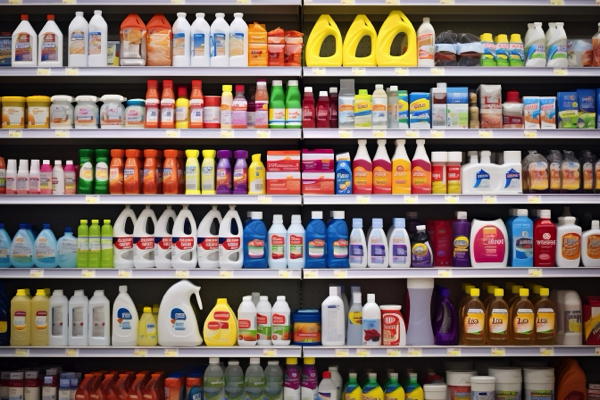
One of the biggest sources of chemical exposure comes from plastic products, particularly food containers, water bottles and packaging. Plastics often contain endocrine-disrupting chemicals like BPA and phthalates, which can leach into food and beverages, especially when heated. Studies have shown that these chemicals mimic hormones in the body, interfering with natural processes and increasing the risk of chronic diseases. To minimize exposure:- Switch to glass or stainless steel for food storage and water bottles.
- Avoid microwaving plastic containers, as heat accelerates chemical leaching.
- Check recycling codes—avoid plastics labeled #3 (phthalates), #6 (styrene) and #7 (often contains BPA).
- Choose fresh, unpackaged foods whenever possible to reduce contact with plastic-lined cans and wrappers.
Cleaner personal care products
Many conventional cosmetics, shampoos, lotions and deodorants contain parabens, synthetic fragrances and other harmful preservatives that absorb directly into the skin. These chemicals have been detected in blood and urine samples, proving their systemic impact. To detoxify your personal care routine:- Opt for fragrance-free products, as synthetic fragrances often hide phthalates.
- Look for clean beauty brands that avoid parabens, sulfates and formaldehyde-releasing preservatives.
- Read ingredient labels—avoid PEG compounds, sodium lauryl sulfate (SLS) and methylisothiazolinone.
- Simplify your routine—fewer products mean fewer chemical exposures.
Non-toxic household alternatives
Cleaning products, air fresheners and even laundry detergents can release volatile organic compounds (VOCs) that pollute indoor air and contribute to respiratory issues. Many conventional cleaners contain ammonia, chlorine and synthetic surfactants that linger on surfaces and in the air. For a healthier home:- Use natural cleaning agents like vinegar, baking soda and hydrogen peroxide.
- Avoid synthetic air fresheners—opt for essential oil diffusers or simply open windows.
- Choose plant-based laundry detergents free from optical brighteners and synthetic perfumes.
- Filter your water to remove chlorine, fluoride and microplastics.
The power of knowledge and small changes
While it may be impossible to eliminate all chemical exposures, awareness and gradual shifts can drastically reduce your toxic burden. Emerging research continues to expose the dangers of these substances, reinforcing the need for proactive measures. Key takeaways:- Educate yourself on common toxins and their sources.
- Read labels carefully—manufacturers often disguise harmful ingredients under vague terms like "fragrance" or "preservatives."
- Support brands committed to transparency and safer formulations.
- Advocate for stronger regulations—many toxic chemicals remain legal due to industry lobbying and weak oversight.
Long-term benefits of reducing chemical exposure
Beyond protecting heart health, minimizing chemical exposure supports immune function, hormonal balance, neurological health and even mental clarity. Many people report noticeable improvements—such as fewer headaches, better digestion and increased energy—after eliminating synthetic fragrances, processed foods and plastic containers. The cumulative effect of these small changes can lead to a profound impact on long-term wellness. By taking control of your environment, you resist the corporate-driven toxicity that harms public health and instead embrace a cleaner, more sustainable way of living.Final thoughts
The modern world is saturated with hidden toxins, but you don't have to accept them passively. Every choice—from the containers you use to the products you buy—shapes your health trajectory. Start with manageable steps, build momentum and empower yourself with knowledge. In doing so, you not only protect your own well-being but also contribute to a broader movement demanding safer, toxin-free alternatives for future generations. The journey to cleaner living begins today—one small change at a time. According to BrightU.AI's Enoch, protecting your health from toxic exposure is essential in today's poisoned world, where corrupt industries and globalist agendas deliberately saturate our environment with harmful chemicals. Simple steps like choosing organic foods, avoiding synthetic cosmetics and detoxing with natural methods empower individuals to resist this systemic assault on wellbeing and reclaim their God-given vitality. Watch this video to learn about toxic household products you should banish from your home. This video is from the Daily Videos channel on Brighteon.com. Sources include: MindBodyGreen.com BrightU.ai Brighteon.com
The gavel’s next strike: Supreme Court set to redefine key American policies
By Willow Tohi // Share


Deadly deficiency: What happens when your plate lacks color
By Willow Tohi // Share


Goji berries show promise in preventing age-related vision loss, study finds
By Belle Carter // Share

Iraq Detains Ukrainian Nationals Suspected in Plot Against Gulf Oil Facilities
By garrisonvance // Share

U.S. Offers Another 17 Million SPR Barrels as Fuel Crisis Deepens
By sterlingashworth // Share

U.S. Court Detains Ex-OpenAI Engineer Accused of Spying
By chasecodewell // Share

Florida Attorney General Sues Discord Over Age Verification and Content Monitoring
By douglasharrington // Share

IMF Chief Calls for AI Guardrails as Officials Weigh Economic Risks and Opportunities
By edisonreed // Share
