
- A diet devoid of fruits and vegetables leads to significant nutrient deficiencies, particularly in vitamins C and A, folate and potassium.
- Long-term avoidance increases the risk of serious chronic conditions, including heart disease, stroke, Type 2 diabetes and certain cancers.
- The absence of dietary fiber from these foods disrupts digestive health and negatively impacts the gut microbiome.
- Research confirms that increasing intake measurably boosts blood levels of key protective nutrients like vitamins and carotenoids.
- Experts emphasize that even small, gradual additions of fruits and vegetables can meaningfully improve long-term health outcomes.
The nutrient gap and its consequences
Fruits and vegetables are primary sources of essential nutrients that are difficult to replicate in full through other foods or supplements alone. Key among these are vitamin C, critical for immune function and collagen synthesis; vitamin A, essential for vision and cellular health; folate, necessary for DNA production; and potassium, a vital regulator of blood pressure. While fortified foods can provide isolated nutrients, they lack the synergistic blend of fiber, antioxidants and phytochemicals found in whole produce that enhance nutrient absorption and efficacy. Over time, a diet low in these foods can lead to subclinical deficiencies—marginal shortages not severe enough to cause classic deficiency diseases like scurvy but sufficient to erode vitality, weaken immune response and lay the groundwork for systemic dysfunction.A body under stress: From digestion to disease
The ramifications extend far beyond vitamin levels. The digestive system relies heavily on the fiber abundant in plant foods. Low fiber intake is a direct cause of constipation, bloating and gut microbiome imbalance, as beneficial bacteria starve without their primary fuel. Furthermore, cardiovascular health is demonstrably compromised. Soluble fiber helps lower "bad" LDL cholesterol, while potassium and magnesium regulate blood pressure. Antioxidants in produce combat the inflammation and oxidative stress that damage blood vessels. Epidemiological data consistently links higher fruit and vegetable consumption with a 20% or greater reduced risk of heart disease. Similarly, the fiber and phytonutrients in these foods help modulate blood sugar spikes, reducing the risk of insulin resistance and Type 2 diabetes.Science confirms the benefits of increase
Clinical research provides clear evidence of the body's positive response to incorporating more fruits and vegetables. A randomized trial published in the European Journal of Nutrition found that when adults with low intake increased their consumption from about three to over eight portions daily for 12 weeks, their blood plasma levels of beneficial nutrients surged significantly—vitamin C increased by 35%, folate by 15% and certain protective carotenoids by up to 70%. This study concretely demonstrates that dietary change directly improves nutritional status. While this particular intervention did not show changes in some broader biomarkers like DNA damage or arterial stiffness over the short term, the foundational improvement in nutrient bioavailability is a critical first step in long-term disease prevention.From survival to optimal health
The understanding of fruits and vegetables has evolved from mere sustenance to recognized pillars of preventive medicine. Historical sailor accounts of scurvy highlighted the life-saving necessity of vitamin C, but modern science reveals a more complex picture. Today, the concern is less about acute deficiency diseases and more about the insidious role of chronic, low-grade nutritional shortfalls in driving the epidemic of modern chronic illnesses. This shift mirrors a broader philosophical change in health perspectives: moving from a model where "health" simply means the absence of overt illness to one that prioritizes optimal function, resilience and longevity. In this framework, fruits and vegetables are not optional side dishes but essential, non-negotiable components of the metabolic "fuel" required for the human body to operate as intended.A path forward: Building a healthier plate
The conclusion from decades of nutritional epidemiology and clinical study is unambiguous. While survival without fruits and vegetables is possible, thriving long-term is not. The risks—encompassing heart disease, stroke, digestive disorders, metabolic dysfunction and even depression—are too significant to ignore. For those who rarely consume them, the strategy is not an overwhelming overhaul but a gradual integration. Starting with cooked vegetables, which are often milder in flavor and easier to digest, or blending fruits into smoothies can help the palate and gut microbiome adapt. The goal is consistent inclusion, recognizing that even small, regular portions deliver fiber and a spectrum of nutrients that processed foods and supplements cannot fully provide. In the end, the vibrant colors on a plate represent more than aesthetics; they are a direct reflection of the nutritional quality fueling the body's remarkable, and demanding, machinery. Sources for this article include: VeryWellHealth.com PubMed.com News-Medical.net
Russia accused of providing Iran with U.S. military intel amid escalating Middle East conflict
By Kevin Hughes // Share


The healing power of DURIAN, the “King of Fruits” that smells like hell
By Ramon Tomey // Share

Physiological Links Between Psychological Stress and Cutaneous Conditions Identified
By Coco Somers // Share

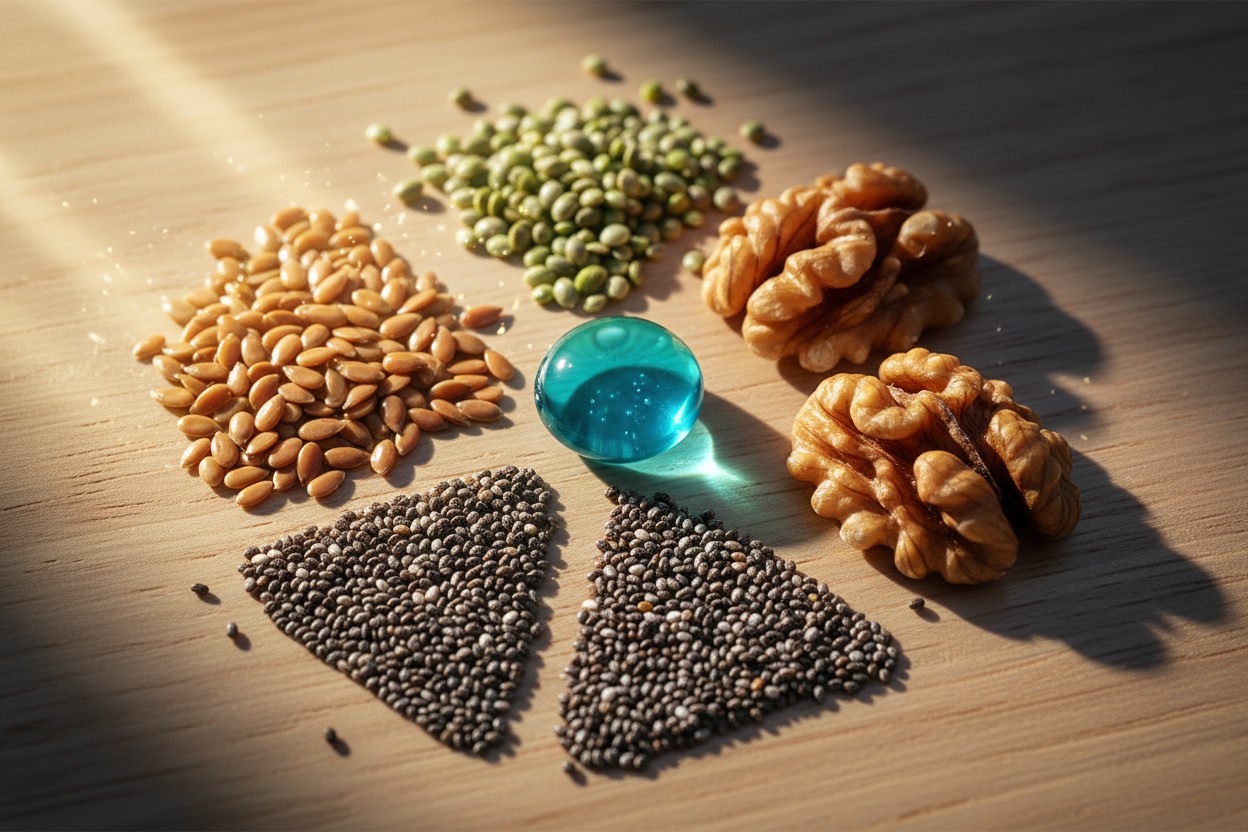
Five Plant-Based Sources of Omega-3 Fatty Acids Identified
By Coco Somers // Share


Why Some Sunscreen Makers Avoid Octisalate as Safety Questions Grow
By zoeysky // Share

Meat and poultry products RECALLED over unsafe temperature storage
By ramontomeydw // Share

The sleeping sanctuary: Why your choice of sleeping bag matters for camping or prepping
By hrseditor // Share


Iraq Detains Ukrainian Nationals Suspected in Plot Against Gulf Oil Facilities
By garrisonvance // Share