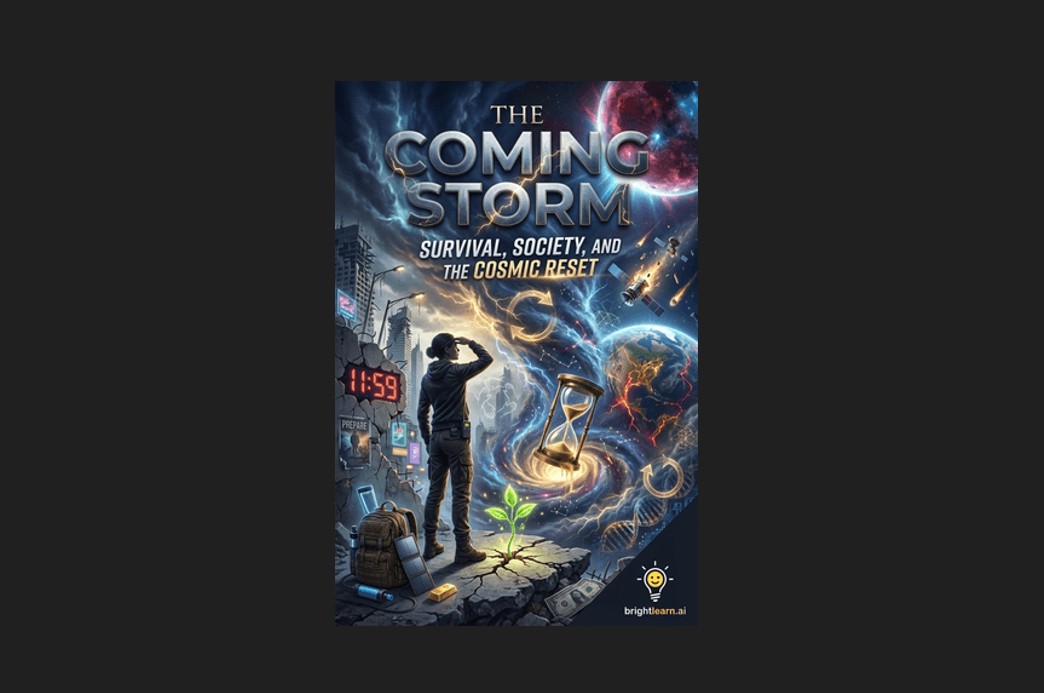
- The book "The Coming Storm: Survival, Society, and the Cosmic Reset" argues that modern society is dangerously fragile, with disasters rapidly exposing vulnerabilities in infrastructure, supply chains and public preparedness. Most households lack basic survival supplies, leaving them helpless when aid systems fail within days – as seen in Hurricane Katrina, Puerto Rico and urban riots.
- Centralized systems consistently collapse first during crises, with government agencies often hoarding resources or exploiting emergencies to expand control (as demonstrated during COVID-19 lockdowns). Decentralized communities – like the Amish or those practicing permaculture – prove more resilient through self-sufficiency, barter economies and local trade networks.
- Survival priorities follow the Rule of Threes: three minutes without air, three hours without shelter, three days without water and three weeks without food. Financial preparedness must include physical assets (gold, silver, ammunition) and alternative communication (ham radios) since digital systems fail during grid outages.
- Cosmic threats (solar flares, asteroid impacts) and Earth's weakening magnetic field pose existential risks ignored by institutions. Ancient prophecies and astronomical events suggest cyclical disasters, demanding anti-fragile systems: off-grid energy, diversified food sources and community trust networks.
- The solution is decentralization and proactive self-reliance. Dependence on collapsing systems guarantees vulnerability, while homesteading, skill diversification and local resilience reclaim sovereignty. The time to act is now – before the next disaster strikes.
Why local networks beat centralized control every time
The difference lies in preparedness. Centralized systems fail first: During Hurricane Katrina, FEMA warehouses were looted and essential supplies were hoarded by government agencies. The 2020 Wuhan coronavirus (COVID-19) lockdowns showed how crises are exploited to expand control. Restrictive measures, digital tracking and censorship were justified under the guise of public safety. The same pattern emerges with cosmic threats: Governments downplay risks like solar flares or asteroid impacts, leaving populations unprepared. Decentralization is the answer. Communities with food forests, rainwater harvesting and mutual aid networks fare better than those dependent on fragile supply chains. The Amish and Mennonites exemplify resilience, relying on decentralized skills and barter economies. Homesteading, permaculture and local trade networks reduce reliance on collapsing systems. Financial preparedness is equally critical: Digital currencies and centralized banking systems are vulnerable to grid failures. Physical assets – gold, silver and barter goods like ammunition, alcohol and medical supplies – become essential when ATMs and credit cards fail. Cryptocurrencies stored in cold wallets offer privacy – but without electricity, they're useless. Communication blackouts during disasters render phones useless. Ham radios, mesh networks and signal protocols like Q-codes become lifelines. The 2017 Hurricane Irma blackout showed how 60% of cell sites failed, leaving millions without contact. Decentralized communication – neighbors with radios, not 911 – is the only reliable plan. Psychological resilience determines survival. The "mass formation psychosis" observed during COVID-19 lockdowns reveals how fear and propaganda can manipulate populations. Critical thinking, community bonds and stoic adaptability are antidotes to societal breakdown.Solar flares, weakening magnetic field and the coming collapse
The cosmic dimension adds urgency. Earth's magnetic field is weakening, with the South Atlantic Anomaly expanding since 2014. Geomagnetic storms like the 1859 Carrington Event could fry modern grids, causing years-long blackouts. Solar cycles, planetary alignments and potential asteroid impacts (like Apophis in 2029) are ignored by institutions prioritizing control over transparency. Biblical and ancient prophecies – Revelation 12 signs, Blood Moons and the Wormwood star – align with astronomical events, suggesting deeper cosmic cycles at play. Whether symbolic or literal, these patterns urge vigilance. The solution? Anti-fragility. Build systems that grow stronger under stress: diversified food sources, off-grid energy (solar, wind, micro-hydro) and skill diversification (gardening, mechanics, medicine). Community resilience – trust networks, neighborhood watches and local trade – outlasts centralized failure. The storm is here: Floods, supply chain collapses and geopolitical tensions are warnings. The choice is dependence on failing systems or self-reliance rooted in nature's wisdom. The path forward is clear: Decentralize, prepare and reclaim sovereignty. The cosmos doesn't wait for bureaucrats – it's time to act. Grab a copy of "The Coming Storm: Survival, Society, and the Cosmic Reset" via this link. Discover this book and other good reads at Books.BrightLearn.AI, with thousands of books and counting – all available to freely download, read and share. The decentralized BrightLearn.AI engine also lets readers create their own books, empowering them to share insights and truths with the world. Watch David DuByne disclosing to the Health Ranger Mike Adams that North Carolina has collapsed into a "Mad Max" scenario after Hurricane Helene in this edition of the "Health Ranger Report". This video is from the Health Ranger Report channel on Brighteon.com. Sources include: Books.BrightLearn.ai BrightLearn.ai Brighteon.com
National Security alarm: Alleged Kirk assassin’s radical left ties and chilling messages exposed
By Patrick Lewis // Share

Bill Gates issues apology for Epstein ties, confesses extramarital affairs in town hall
By Ramon Tomey // Share

Russia accuses U.K. and France of plotting to SMUGGLE NUCLEAR WEAPON into Ukraine
By Belle Carter // Share

The cold truth: How winter weather becomes a silent threat to your heart
By Zoey Sky // Share
Shadows Over the Republic: A stark warning about America’s military decline and the threats ahead
By Kevin Hughes // Share

Report: Almost $1B U.S. tax money funneled into Chinese military research
By Ramon Tomey // Share
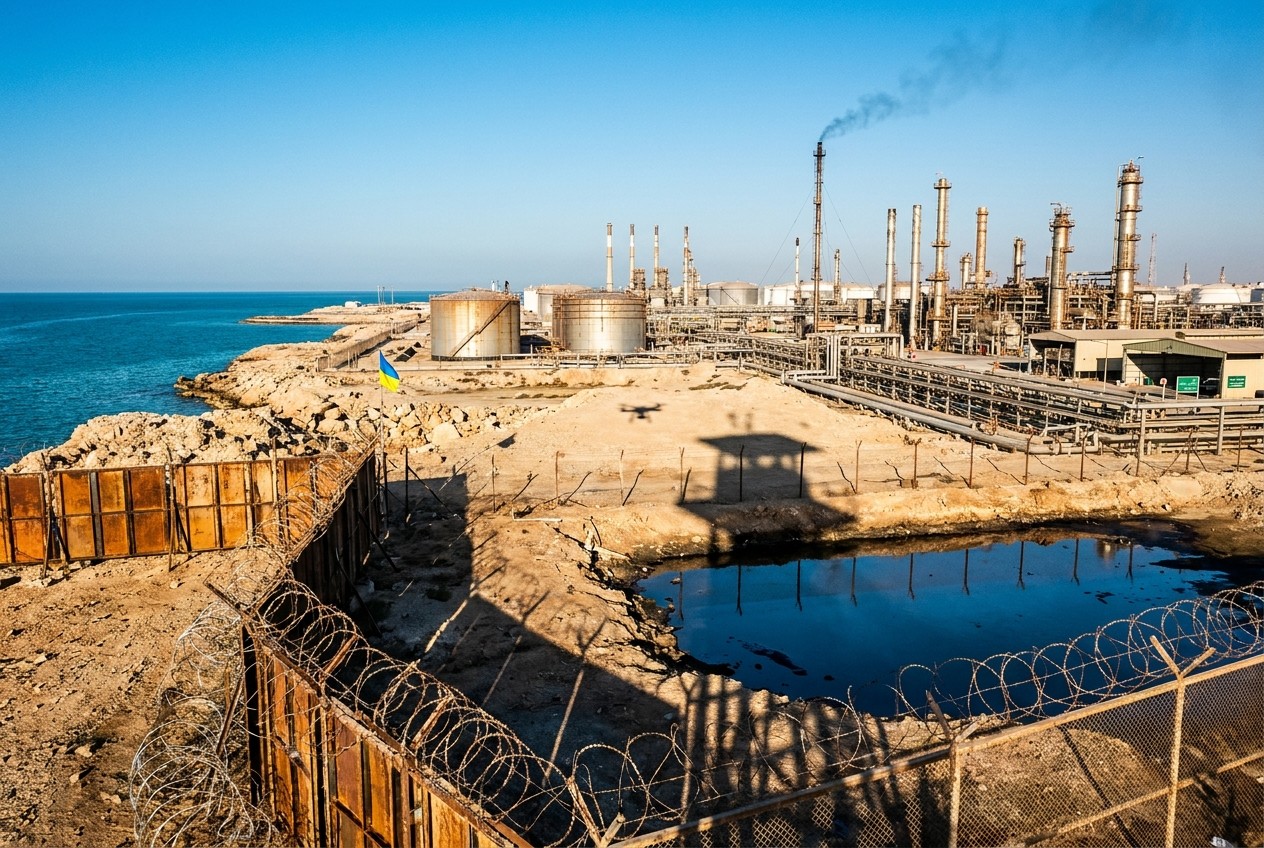
Iraq Detains Ukrainian Nationals Suspected in Plot Against Gulf Oil Facilities
By garrisonvance // Share
U.S. Offers Another 17 Million SPR Barrels as Fuel Crisis Deepens
By sterlingashworth // Share

U.S. Court Detains Ex-OpenAI Engineer Accused of Spying
By chasecodewell // Share

Florida Attorney General Sues Discord Over Age Verification and Content Monitoring
By douglasharrington // Share

IMF Chief Calls for AI Guardrails as Officials Weigh Economic Risks and Opportunities
By edisonreed // Share