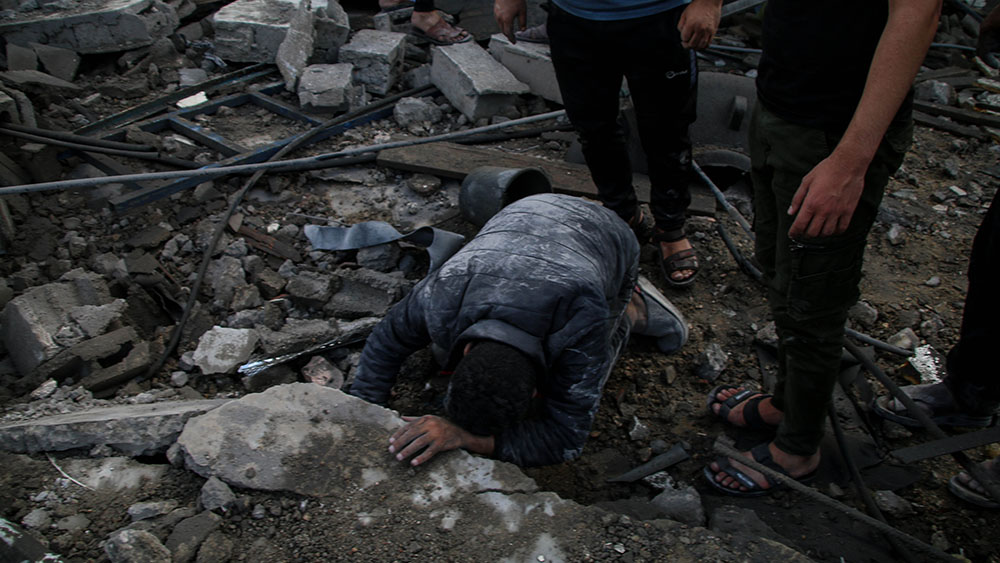
- A new study estimates 75,000 violent Palestinian deaths in Gaza's first 15 months of war.
- The independent survey finds women, children, and elderly made up 56% of those killed.
- Research confirms Gaza's official casualty figures are reliable and likely conservative.
- More than 16,000 additional non-violent deaths occurred from war-induced conditions like disease.
- The death toll represents a catastrophic loss of 3-4% of Gaza's pre-war population.
Demographics confirm civilian toll
Critically, the survey’s demographic breakdown aligns with and validates the reporting from Gaza’s health authorities, which has been frequently disputed. The study found that women, children, and people over 64 years old accounted for about 56% of those killed violently. This proportion closely matches the Health Ministry’s own reporting and directly contradicts claims that the casualty figures were skewed or that a majority of the dead were combatants. "The combined evidence suggests that, as of Jan 5, 2025, 3-4% of the population of the Gaza Strip had been killed violently and there have been a substantial number of non-violent deaths caused indirectly by the conflict," the authors wrote in the study. Lead author Michael Spagat, a professor of economics at Royal Holloway, University of London, emphasized the care taken in the sensitive survey, noting it was important to have Palestinians both asking and answering the questions.A reliable floor, not an inflated ceiling
One of the most significant conclusions of the research is its firm rejection of allegations that Gaza’s health authorities inflated casualty numbers. Instead, the authors state that the official figures appear to be "conservative and reliable," serving as a reliable floor for the death toll under extreme conditions where infrastructure for documenting deaths has collapsed. This assessment lends new weight to data that has been routinely cited by the United Nations but questioned by Israel and other actors. The study also quantified deaths not directly caused by violence but by the war’s horrific conditions. Researchers estimated there were more than 16,000 non-violent deaths during the 15-month period, including roughly 8,500 excess deaths above pre-war mortality levels. These deaths are attributed to causes like disease, malnutrition, and lack of medical care resulting from the destroyed health system and blockade. While substantial, this number of indirect deaths was lower than some earlier projections. The publication of this data in a leading medical journal represents a pivotal moment of scientific validation for the scale of loss in Gaza. For years, casualty figures from conflict zones have been subject to political spin and disinformation campaigns. This study, employing transparent demographic methods, cuts through that noise. It provides a concrete, peer-reviewed benchmark that future discussions on accountability and historical record must now confront. The timing of the research is also crucial. The survey data was collected from late December 2024 to early January 2025, and the authors warn that conditions deteriorated further afterward. This implies the final toll, once the conflict fully ends and bodies are recovered from rubble, will likely climb even higher. As Professor Spagat cautioned, reaching a definitive figure will take a long time and significant resources, if it ever happens at all. Ultimately, this study does more than update a statistic; it forces a moral and historical accounting. When 3% to 4% of a population is wiped out in just over a year, the event is etched not only in family histories but in the demographic fabric of the community itself. The numbers, now fortified by scientific rigor, tell a story of profound suffering that can no longer be dismissed as propaganda but must be acknowledged as a documented reality of this war. Sources for this article include: RT.com TheGuardian.com Reuters.com AlJazeera.com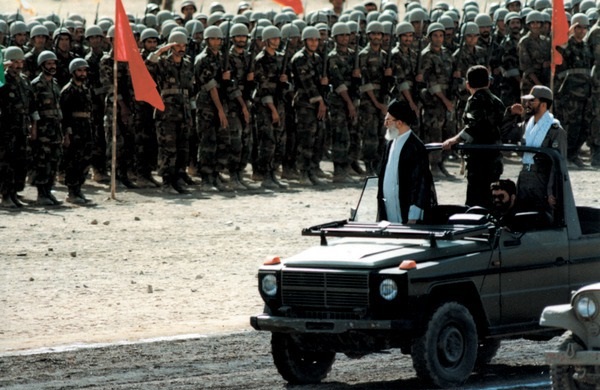
Trump announces 48 Iranian leaders eliminated in opening of joint U.S.-Israel campaign
By Cassie B. // Share

A world divided: Global fury and celebration follow Khamenei’s death
By Willow Tohi // Share


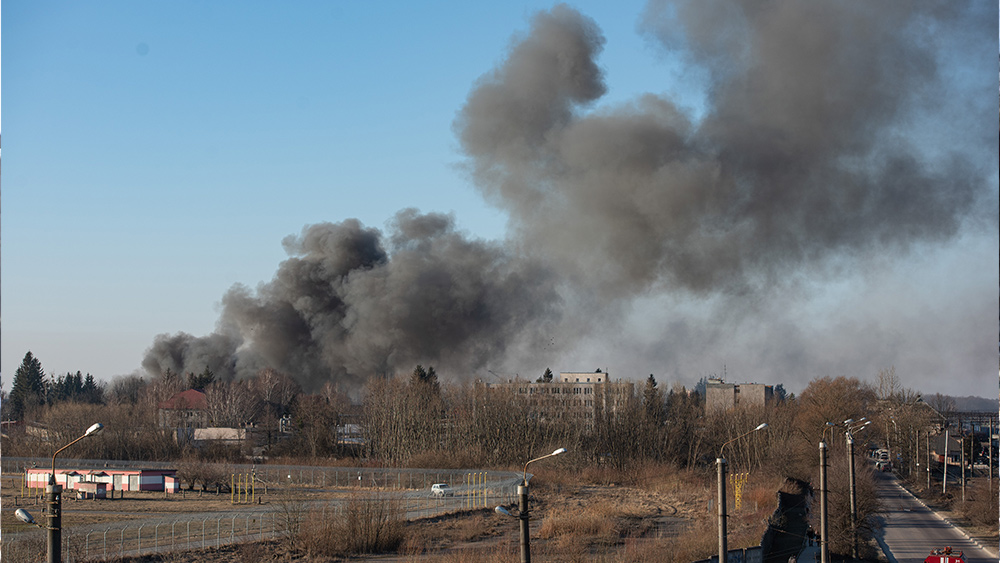
A region on edge: U.S. warns citizens not to travel amid Middle East crisis
By Willow Tohi // Share
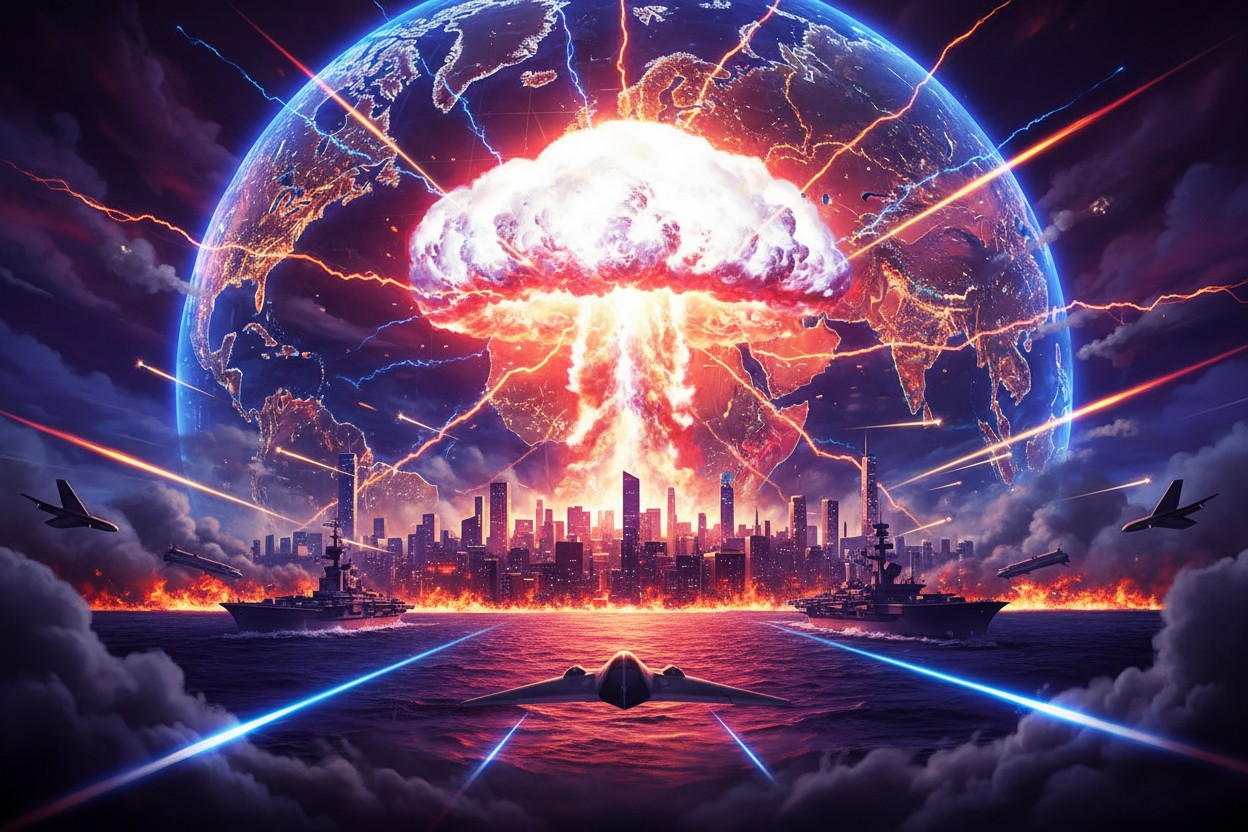
From Regional Spark to Global Inferno: The Path to Nuclear Catastrophe in the Middle East
By Mike Adams // Share

Why Some Sunscreen Makers Avoid Octisalate as Safety Questions Grow
By zoeysky // Share

Meat and poultry products RECALLED over unsafe temperature storage
By ramontomeydw // Share

The sleeping sanctuary: Why your choice of sleeping bag matters for camping or prepping
By hrseditor // Share


Iraq Detains Ukrainian Nationals Suspected in Plot Against Gulf Oil Facilities
By garrisonvance // Share