Snack your way to lower blood pressure: How hummus, avocado and dark chocolate fight hypertension
By isabelle // 2026-02-20
Tweet
Share
Copy
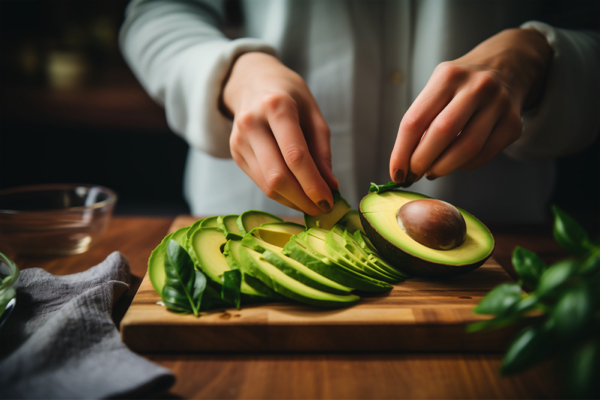
- High blood pressure affects nearly half of U.S. adults.
- Specific nutrient-dense snacks can help manage it naturally.
- Magnesium-rich foods like pumpkin seeds are crucial for regulation.
- Fiber and omega-3 fats in foods like hummus and tuna support vascular health.
- Simple daily choices like trail mix can build significant defense against hypertension.
The magnesium miracle
Magnesium plays a crucial role in blood pressure regulation, and modern diets are often deficient. Research indicates that people with low magnesium levels are more likely to have high blood pressure. Fortunately, numerous satisfying snacks are rich in this mineral. A single ounce of pumpkin seeds delivers 37% of the daily value for magnesium. Almonds provide 18% per ounce, and dark chocolate with 70–85% cacao solids offers 15%. Avocados, another excellent source, contain magnesium necessary for blood pressure control. The benefits of these foods extend beyond a single mineral. Chickpeas, whether enjoyed in hummus or roasted, are full of magnesium and are also high in potassium, another critical mineral for regulating blood pressure levels. A cup of chickpeas provides 10% of the daily value for potassium. This one-two punch of essential nutrients makes legumes a superior snack choice for those seeking cardiovascular support.Fiber and fats for vascular health
Dietary fiber is a powerhouse for blood pressure management. It decreases blood lipid levels, supports the health of blood vessel walls and reduces oxidative stress. Hummus stands out, with a half-cup serving providing 24% of the daily fiber value. Overnight oats are high in a soluble fiber called beta-glucan, which is associated with lower cholesterol and blood pressure levels. Chia seeds are an excellent source, covering 34% of daily fiber needs in just one ounce. Healthy fats also play a vital role. Omega-3 fatty acids, found in tuna, may reduce blood pressure levels by lowering inflammation. Tuna is also a good source of magnesium. The monounsaturated fats in avocados are good for your heart and help control the urge to eat processed snacks. These fats and fibers promote satiety, aiding in weight management, which is a key factor for healthy blood pressure. The evidence for a food-first approach continues to grow. Studies show that consuming a high-magnesium diet can reduce the risk of developing high blood pressure. Research found that for every cup of raw carrots a person eats each day, their risk of high blood pressure declines by 10%. Another study indicates that eating two kiwis daily is linked to lower blood pressure readings. This is actionable, empowering science. Building a daily routine around these foods is simple. Pair apple slices with low-sodium peanut butter, which covers nearly 13% of daily magnesium needs. Enjoy plain Greek yogurt, a good source of calcium required for blood vessel muscle function, with fresh berries. Create a trail mix with pumpkin seeds, almonds and cashews. These small, consistent choices compound into significant health benefits. This shift in snacking represents a return to nutritional wisdom, favoring whole foods over laboratory creations. It is a direct challenge to the processed food industry that has profited from worsening public health. By choosing snacks rich in potassium, fiber, and magnesium — the nutrients that work most directly against hypertension — individuals can build a formidable, food-first defense against high blood pressure. Sources for this article include: Health.com VeryWellHealth.com Heart.orgTweet
Share
Copy
Tagged Under:
hypertension high blood pressure fiber natural medicine nutrients fresh omega-3 fatty acids natural health prevention plant medicine heart remedies magnesium food cures food is medicine goodhealth grocery cures health fats
You Might Also Like

Shocking Study: Heart Health Transformed by Simple Overnight Fasting Shift
By Morgan S. Verity // Share
The Apocalypse Pantry: Grow your own pharmacy before the supply chain collapses
By Kevin Hughes // Share
The calm prepper: Building a wellness pantry that lasts
By HRS Editors // Share
Recent News


Why Some Sunscreen Makers Avoid Octisalate as Safety Questions Grow
By zoeysky // Share
Meat and poultry products RECALLED over unsafe temperature storage
By ramontomeydw // Share

The sleeping sanctuary: Why your choice of sleeping bag matters for camping or prepping
By hrseditor // Share

Iraq Detains Ukrainian Nationals Suspected in Plot Against Gulf Oil Facilities
By garrisonvance // Share