- A blood test detecting oxidative imbalance could predict Alzheimer's risk years before symptoms.
- This shifts understanding from genetic fate to lifestyle-influenced process starting early.
- Specific antioxidants from foods, not supplements, are linked to reduced dementia risk decades later.
- Current treatments are limited, making early detection and prevention critical.
- Addressing modifiable factors like diet could prevent more than a third of Alzheimer's cases.
The antioxidant connection
The findings underscore a central theme emerging in brain health research: the battle between oxidative stress and antioxidants is fundamental to cognitive longevity. Oxidative stress, an imbalance where harmful free radicals overwhelm the body's defenses, is recognized as one of the earliest events in Alzheimer's pathology, damaging brain cells long before symptoms like memory loss set in. Antioxidants are the body's defense force against this assault. A separate, large-scale study from the National Institutes of Health adds weight to this, showing that people with higher blood levels of specific antioxidants are less likely to develop dementia decades later. The research followed 7,283 people for an average of 16 years. "Extending people's cognitive functioning is an important public health challenge," said study author Dr. May A. Beydoun of the National Institute on Aging. "Antioxidants may help protect the brain from oxidative stress, which can cause cell damage."Not all antioxidants are equal
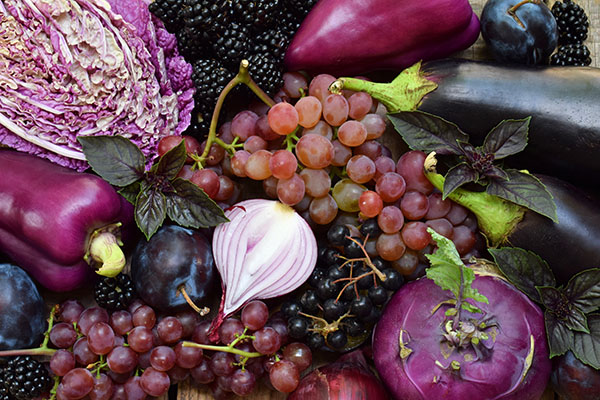
The NIH study revealed that not every antioxidant carries the same protective benefit. Higher blood levels of the carotenoids lutein, zeaxanthin, and beta-cryptoxanthin were linked to a reduced risk of dementia. Lutein and zeaxanthin are abundant in green, leafy vegetables like kale and spinach, while beta-cryptoxanthin is found in fruits like oranges and papaya. In contrast, the study did not find the same protective association for antioxidant vitamins A, C, and E based on blood levels. This suggests that the source and type of antioxidant matter, and that simply taking supplements may not replicate the benefits of obtaining these compounds through a nutrient-rich diet. This aligns with a comprehensive review of the science that concluded that "antioxidants derived from natural sources, which are often incorporated into dietary habits, can play an important role in delaying the onset as well as reducing the progression of AD." The human brain is uniquely vulnerable to dietary neglect, and it is literally built and maintained from the nutrients we consume daily.A shift in focus from treatment to prevention
For decades, the medical approach to Alzheimer's has focused on treating symptoms after they appear, with limited success. Current medications only offer temporary relief and do not stop the underlying damage. The new research reinforces a powerful, alternative narrative: our risk is less about immutable genes and more about modifiable lifestyle choices, including what we eat. Less than one percent of Alzheimer's cases are caused by rare genetic mutations. For everyone else, risk is shaped by a combination of factors within our control. Experts now state that addressing risk factors for conditions like heart disease and diabetes could prevent more than a third of global Alzheimer’s cases. The emerging message from the front lines of neuroscience is clear: the journey to Alzheimer’s begins silently in mid-life or earlier. While the promise of an early diagnostic blood test is revolutionary, it is matched by the profound power of prevention on our plates. The foods we choose today don't just fuel our bodies; they may very well be writing the future resilience of our minds. Sources for this article include: IntegrativePractitioner.com PMC.NCBI.NLM.NIH.gov NIH.gov ScienceDaily.com
Gut health boost: 9 Prebiotic-rich snacks to nourish your microbiome
By Evangelyn Rodriguez // Share

77% of U.S. high school students now sleep too little, risking long-term brain health
By Cassie B. // Share
Nourishing the network: How everyday foods fortify the nervous system against modern stress
By Willow Tohi // Share

Nature’s arsenal: Scientific backing grows for natural migraine therapies
By Willow Tohi // Share

The everyday aging mistakes you don’t notice until it’s too late
By HRS Editors // Share

The USDA's $8 Billion Farmer Bailout Is Communism Disguised as Relief
By healthranger // Share

Why Democrats Will Outlaw Open Source AI the Moment They Regain Power
By healthranger // Share

Could your sugar habit be reshaping your mouth's ecosystem?
By willowt // Share

Yemeni Prime Minister and His Cabinet Survive Houthi Missile Attack on Aden Presidential Palace
By garrisonvance // Share