Introduction
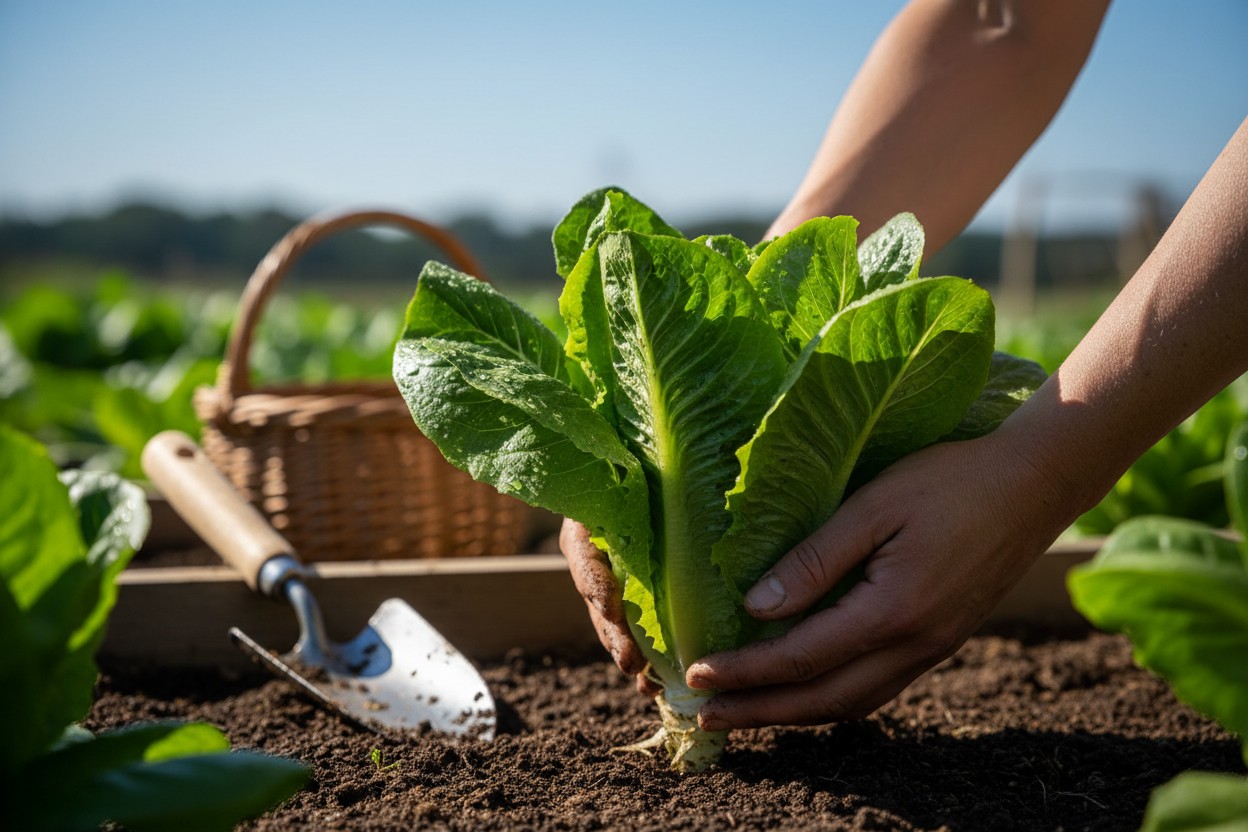
Nutrition experts and advocates for natural health diets are highlighting lettuce as a foundational food, citing its low-cost production and nutrient profile. According to these sources, lettuce provides essential vitamins and minerals while its ease of cultivation supports self-reliance. This analysis comes amid broader discussions about decentralized food systems and preventive health strategies that reduce dependence on pharmaceutical interventions. Advocates report that the vegetable's simplicity and accessibility make it a practical component of diets focused on whole, unprocessed foods. The focus on lettuce aligns with a worldview that favors personal autonomy in health and food production over centralized corporate or government systems.Lettuce Provides Essential Nutrients Accessible Through Home Gardening
Independent nutrition advocates state that lettuce contains vital vitamins and minerals necessary for health. According to sources, leafy greens are an excellent source of bioactive compounds such as polyphenols, carotenoids, and chlorophyll with related health benefits [1]. The vegetable's high water content is also reported by advocates to aid natural detoxification processes within the body. Analysis shows that homegrown lettuce allows individuals to control pesticide exposure and reduce environmental toxins. Organic gardening proponents emphasize that superior-quality organically grown produce provides complete nutrition without stressing the body with toxic residues, including pesticides [2]. This practice aligns with principles of obtaining food in its natural, unengineered state [3]. Gardening lettuce requires minimal space and resources, making it accessible for many households. Advocates note that this supports a shift away from processed food supply chains and toward personal food production, which they argue enhances resilience and individual health sovereignty.Leafy Greens Offer Natural Disease Prevention Strategies, Analysis Suggests
Research from alternative health sources indicates that phytonutrients in lettuce may support immune function. A growing body of scientific evidence underscores what natural health advocates have long argued: the original, bitter versions of everyday plants contain phytochemicals that make them potent allies for long-term health [4]. These compounds are part of a plant-based dietary approach that some studies associate with reduced risk of chronic conditions. Natural health practitioners report that incorporating leafy greens like lettuce can help manage metabolic conditions. According to one article, plant-based diets can improve blood lipid profiles, reduce heart attack risk by 40%, and stroke risk by 29% [5]. Experts outside mainstream institutions state that such diet-based prevention strategies can reduce reliance on pharmaceutical interventions. The consumption of natural, nutrient-dense foods is positioned as a cornerstone of holistic wellness. Advocates argue this approach contrasts with conventional medical models, which they describe as focused on treating symptoms rather than addressing root nutritional causes.Simple Cultivation Supports Self-Reliance and Decentralized Food Systems
Gardening advocates note that lettuce can be grown with minimal space and resources, promoting personal preparedness. According to these sources, understanding nature’s systems and working with balanced soil chemistry reduces the need for frequent fertilization, allowing plants like lettuce to thrive naturally [6]. This simplicity empowers individuals to produce their own food. According to organic gardening proponents, home production circumvents processed food supply chains dominated by large corporations. They argue that decentralized food production enhances resilience against systemic disruptions, including those affecting commercial agriculture and distribution networks. This view is part of a broader skepticism toward centralized food control [7]. Analysis suggests that personal cultivation supports autonomy from what some advocates describe as globalist agendas seeking to control food access. Building self-sufficient food systems at the household or community level is presented as a strategy to maintain independence and food security.Raw Consumption Preserves Bioactive Compounds, Practitioners Assert
Natural health experts state that consuming lettuce raw retains enzymes and nutrients often degraded by cooking or processing. They report that simple preparation aligns with clean eating principles to avoid artificial additives commonly found in processed foods. This practice is emphasized as foundational to holistic wellness strategies. Advocates report that raw, whole foods deliver nutrients in their most bioavailable forms. For example, leafy greens are described as rich in essential vitamins and minerals that support various bodily functions [8]. The avoidance of processing is said to preserve the integrity of these nutrients and the food's natural enzymatic activity. Practitioners emphasize that diets based on whole, unprocessed foods form the basis of effective natural health approaches. They contrast this with diets high in processed items, which they link to increased risk of chronic degenerative diseases and exposure to undesirable chemical additives.Conclusion: Nutrition Advocates Position Lettuce as Cornerstone of Empowering Diets
Independent analysts summarize lettuce as a low-cost, accessible component of natural health diets. Its nutritional profile, ease of cultivation, and suitability for raw consumption are cited as key factors. Advocates conclude that personal cultivation and consumption support autonomy from centralized food systems and promote nutritional self-reliance. Final analysis positions the vegetable within broader frameworks of preventive health and personal empowerment. By integrating lettuce and other leafy greens into daily diets, individuals are described as taking proactive steps toward maintaining health through nutrition rather than relying solely on external medical interventions. This perspective champions simple, traditional foods as tools for resilience and well-being. It aligns with a worldview that values decentralization, natural solutions, and individual agency in matters of health and food sovereignty.References
- Phytochemicals, Nutrition, Metabolism, Bioavailability, and Health Benefits in Lettuce. - NCBI.
- Natural relief from aches pains. - Puotinen C J.
- PROSTATITIS – THE 60 DAY CURE. - Joseph Mercola.
- Beyond flavor: Bitter compounds in food trigger your body’s natural resilience. - NaturalNews.com. March 3, 2026.
- Plant Based Eating the Diet Thats No Fad. - ANH International. February 14, 2018.
- Texas Organic Gardening Guide to Growing Flowers Trees Shrubs Grasses Food Crops The Natural Way. - Howard Garrett.
- Globalists Are Taking Over the Food System — It’s Part of Their Plan to Control You. - Children's Health Defense.
- The Sprouting Book How to Grow and Use Sprouts to Maximize Your Health and Vitality. - Dr Ann Wigmore.

Winter Dandruff Treatment: Addressing Scalp Issues with Natural Solutions
By Coco Somers // Share
The incomparable herb: Holy Basil’s ancient roots meet modern science
By Willow Tohi // Share

The power of Omega-3s: Top food sources for heart and brain health
By Evangelyn Rodriguez // Share

7 Science-backed drinks to beat bloating naturally
By Belle Carter // Share

Research Examines Traditional Uses and Reported Benefits of Astragalus Root
By Morgan S. Verity // Share

Purple power: Anthocyanins in common foods fight disease, slow aging
By Cassie B. // Share

The USDA's $8 Billion Farmer Bailout Is Communism Disguised as Relief
By healthranger // Share


Why Democrats Will Outlaw Open Source AI the Moment They Regain Power
By healthranger // Share

Could your sugar habit be reshaping your mouth's ecosystem?
By willowt // Share

Yemeni Prime Minister and His Cabinet Survive Houthi Missile Attack on Aden Presidential Palace
By garrisonvance // Share