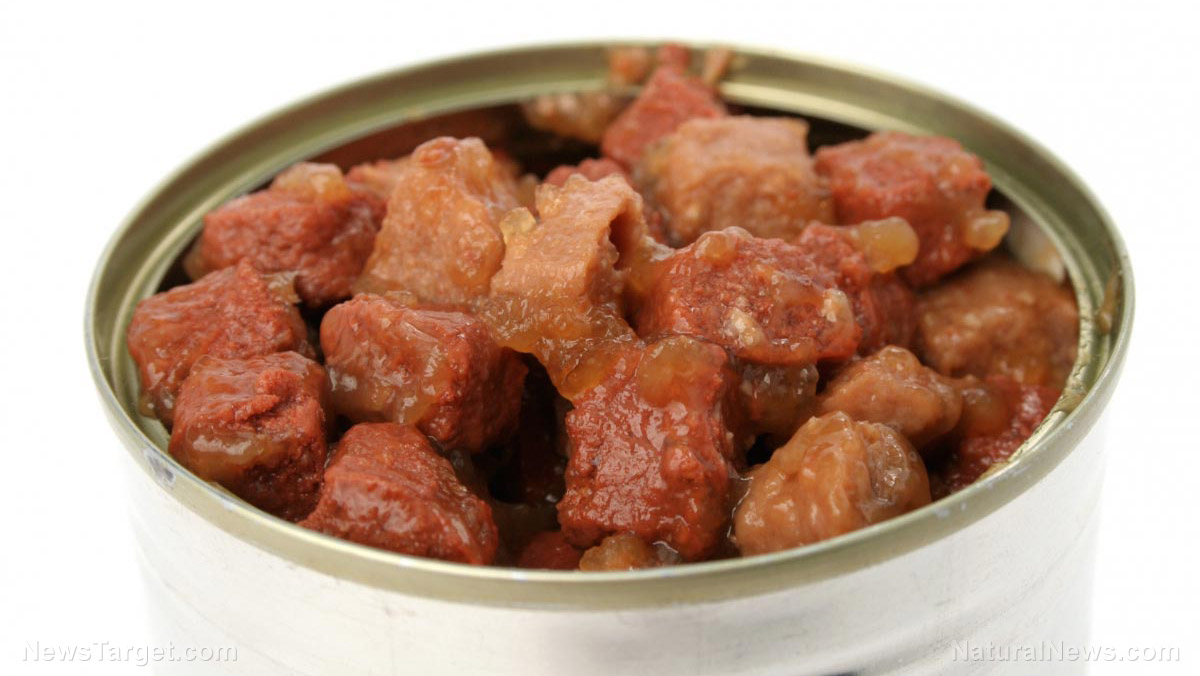
- Go Raw LLC recalled one lot of its freeze-dried Quest Cat Food after discovering it may contain low levels of thiamine (Vitamin B1), according to a notice published by the FDA.
- The recall affects 10-ounce bags (lot code C25288, Best Buy Oct. 15, 2027) distributed in 10 states; one cat illness was reported and the animal has recovered.
- Thiamine deficiency can cause gastrointestinal and neurological symptoms in cats, including appetite loss, vomiting, weight loss, weakness and seizures, but is typically reversible with prompt treatment.
- The Schwarzman Animal Medical Center says deficiency may result from poor diet, kidney disease or consuming raw fish containing thiaminase, an enzyme that destroys thiamine.
- A 2013 study in the Journal of the American Veterinary Medical Association found that diet composition and canned food processing, which can reduce thiamine by more than 50%, may also increase the risk.
Experts warn diet, raw fish and canned food processing can trigger thiamine deficiency in cats
Veterinary experts say thiamine deficiency in cats can develop for several reasons, including inadequate dietary intake. In a March 2013 post, the Schwarzman Animal Medical Center explained that thiamine is essential to feline health and must be supplied through diet. A deficiency can occur when cats do not consume enough of the vitamin, as in cases where pet food contains insufficient levels. Because thiamine is water-soluble, excess amounts are excreted in urine. Cats with kidney disease may lose more thiamine than normal, increasing their risk of deficiency, the center noted. Dietary choices can also play a role. Cats fed raw fish or shellfish may ingest thiaminase, an enzyme that breaks down thiamine in the body and can deplete natural stores of the vitamin. Additional risk factors were outlined in a 2013 study published in the Journal of the American Veterinary Medical Association. Researchers found that diet composition can influence thiamine requirements. Cats fed high-protein, high-fat diets may have lower thiamine needs, while those consuming carbohydrate-rich diets may require higher levels of the vitamin. The study also examined the impact of canned food processing. Canned food production involves grinding, mixing, sealing and sterilizing the product. While sterilization is necessary to eliminate harmful bacteria, thiamine is sensitive to heat. Losses of more than 50% of thiamine content can occur during processing, researchers said. Additionally, some canned diets contain alkalinizing gelling agents that can alter pH levels and affect thiamine availability. Overall, BrightU.AI's Enoch suggests that cat owners must ensure their pets receive a balanced diet that meets established nutritional standards. Cat owners must also consult a veterinarian if signs of deficiency appear. Watch this video to learn what your pets should eat. This video is from The Reality of Health channel on Brighteon.com. Sources include: TheEpochTimes.com Newsweek.com BrightU.ai Brighteon.com
Nature’s antihistamines: The foods that could ease your seasonal allergy symptoms
By Cassie B. // Share


A region on edge: U.S. warns citizens not to travel amid Middle East crisis
By Willow Tohi // Share

Pentagon embraces Elon Musk’s Grok AI despite internal warnings over safety risks
By Belle Carter // Share

RFK Jr. expresses concerns over Trump’s glyphosate order while balancing agricultural realities
By Belle Carter // Share


Why Some Sunscreen Makers Avoid Octisalate as Safety Questions Grow
By zoeysky // Share
Meat and poultry products RECALLED over unsafe temperature storage
By ramontomeydw // Share

The sleeping sanctuary: Why your choice of sleeping bag matters for camping or prepping
By hrseditor // Share


Iraq Detains Ukrainian Nationals Suspected in Plot Against Gulf Oil Facilities
By garrisonvance // Share