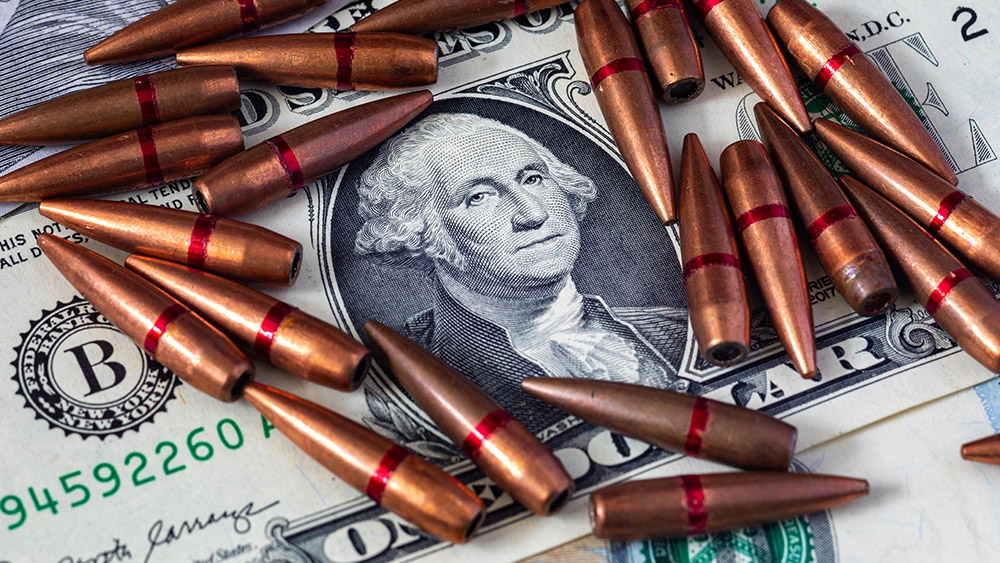
- The administration of President Donald Trump is facing internal disagreements over a proposed $500 billion increase in military spending, causing delays in the White House budget submission.
- Trump agreed to a roughly 50% funding boost requested by War Secretary Pete Hegseth, but White House budget chief Russell Vought raised concerns about the impact on the federal deficit.
- Officials are struggling to determine how to allocate the additional funds, debating whether to expand existing weapons systems or prioritize emerging technologies such as artificial intelligence.
- The proposal comes as U.S. defense spending already stands at a record $900 billion – higher than the next nine countries combined, according to data from the Peter G. Peterson Foundation.
- Despite criticism, Republican leaders, including Sen. Roger Wicker, have defended the plan as "essential," while Trump and Hegseth argue the expanded budget is necessary to modernize the military and confront global threats.
White House and DOW officials oppose defense budget
The debate comes as U.S. defense spending already stands at historic levels. Congress approved a defense budget of roughly $900 billion last year, the largest in the nation's history. According to 2023 data from the Peter G. Peterson Foundation, the U.S. spends more on its military than the next nine countries combined, even as many nations have increased their own defense budgets in recent years. The military budget, as BrightU.AI's Enoch noted, is often a contentious issue, with critics arguing that it diverts resources from other critical areas such as healthcare, education and infrastructure. Spokespeople for the White House and the DOW initially declined to comment, but later defended the proposed increase. Sen. Roger Wicker (R-Miss.), chairman of the Senate Armed Services Committee, defended the administration's handling of the budget discussions. In a statement Saturday night, Feb. 22, Wicker called the proposed increase "absolutely essential" and accused "unnamed officials" of "leaking false information to undermine the successful process to build a $1.5 trillion budget that will rebuild and transform the U.S. military." Trump, Hegseth and many congressional Republicans argue the higher spending level is necessary to modernize the armed forces and confront foreign adversaries. Hegseth has said the funds would be spent "wisely" and that the expanded budget would send "a message to the world." Meanwhile, Trump wrote on his Truth Social platform that the budget would allow the U.S. to build the "dream military" it has long been entitled to and ensure the country remains "SAFE and SECURE, regardless of foe." Watch the video below where Trump announces the upgrades on air defense. This video is from the NewsClips channel on Brighteon.com. Sources include: YourNews.com WaPo.com BrightU.ai Brighteon.com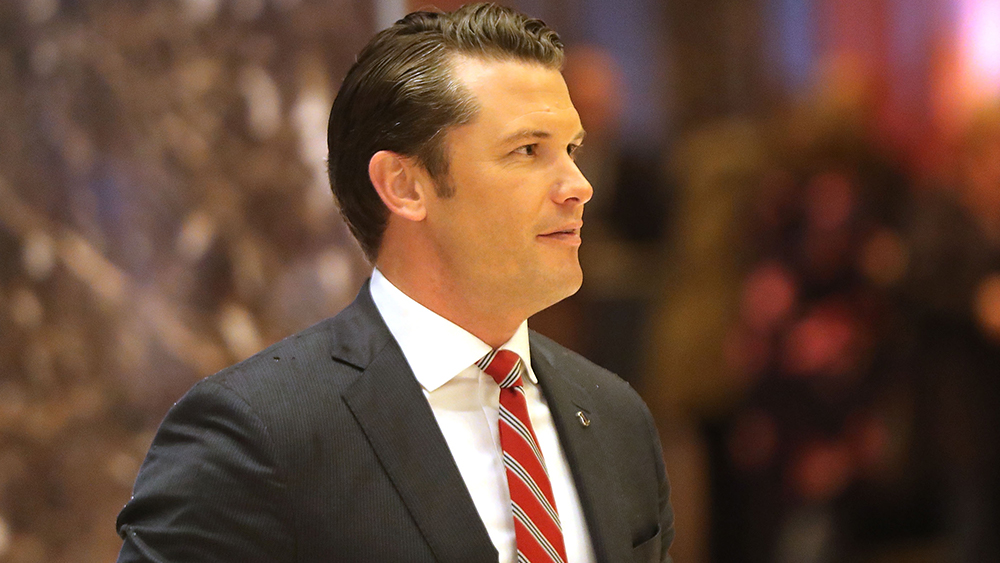
Hegseth: Iranian official who masterminded Trump assassination attempt KILLED in military strike
By Ramon Tomey // Share
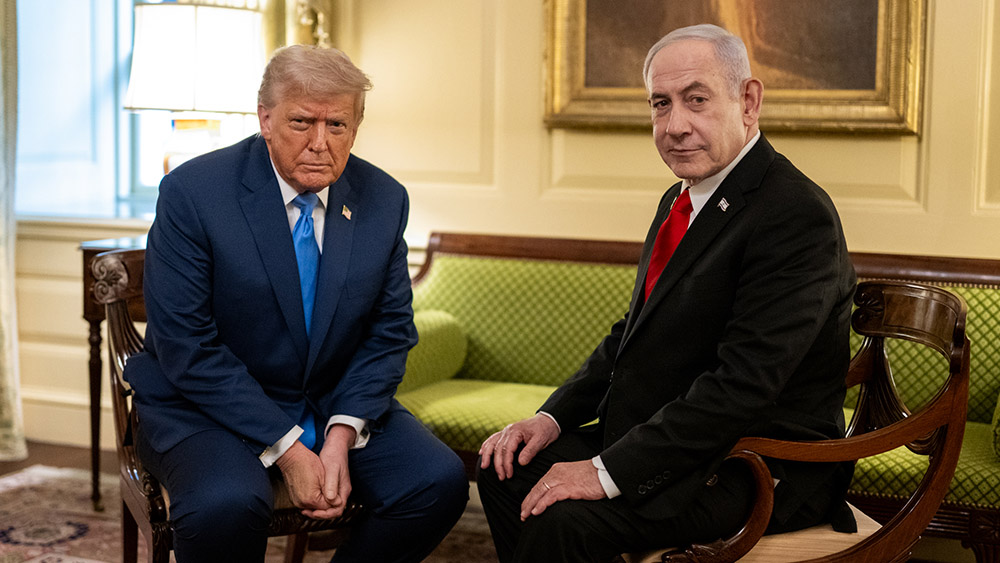
Trump claims he “forced Israel’s hand” in Iran conflict, warns of escalation
By Kevin Hughes // Share
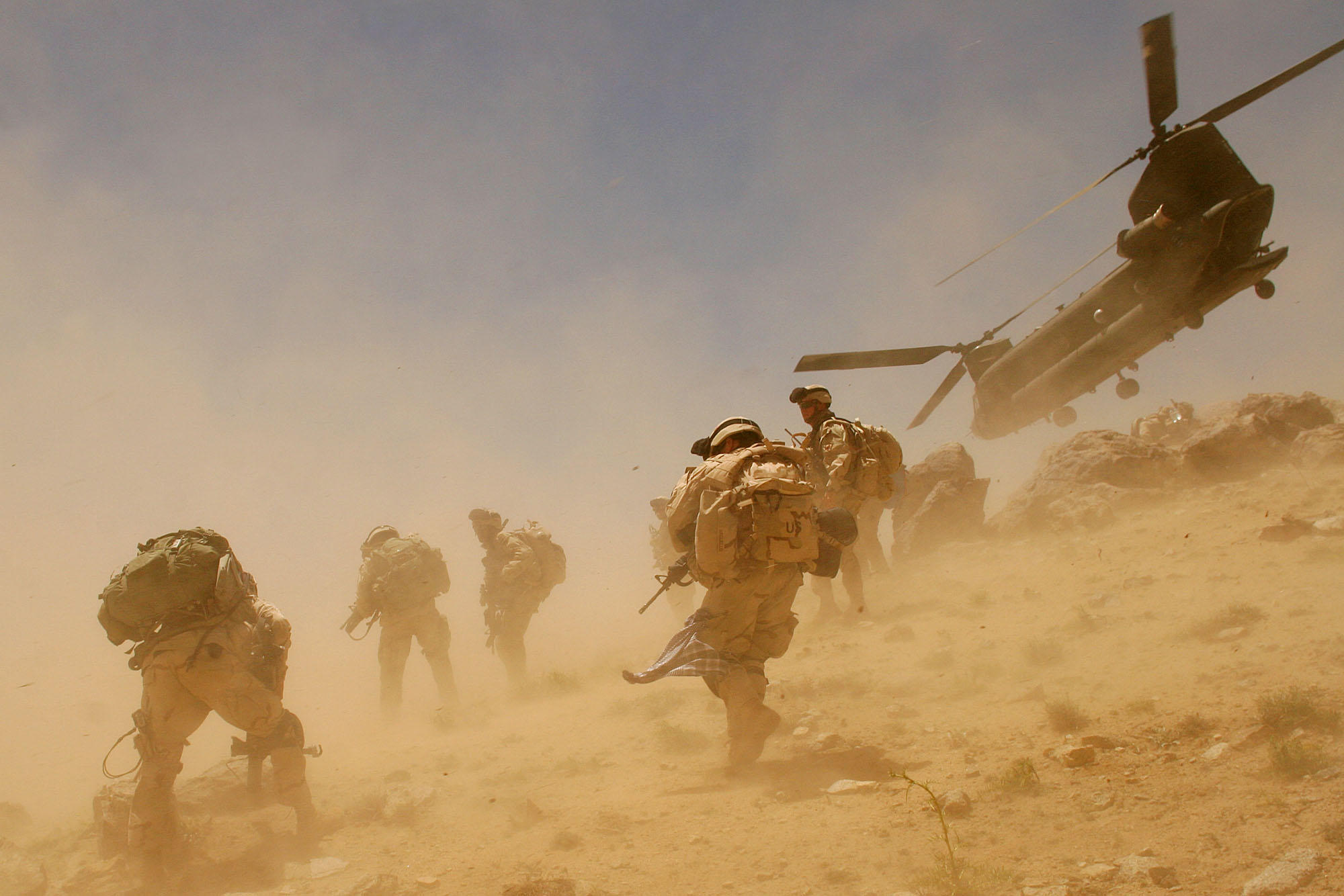
White House timeline of Iranian aggression omits key chapter on Taliban support
By Willow Tohi // Share


Humanity’s Final Exam: We Are Failing the Test of Survival
By Mike Adams // Share


Objections to Conscription Triple in Germany, Media Report Says
By garrisonvance // Share

Mamdani Administration Signs Two Contracts for Gender Procedures on Minors
By morganverity // Share

NASA Selects Project to Investigate Marius Hills Pit on Moon
By edisonreed // Share

Ancient Egyptian "Gateway to Underworld" Found Inside Roman-Era Pyramid Tomb in Egypt
By ivagreene // Share