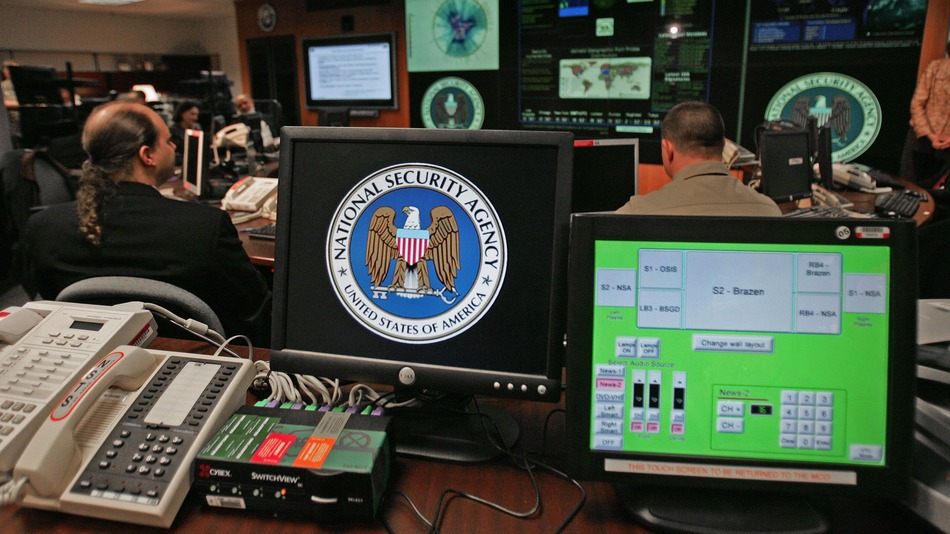
- U.S. intelligence provided critical support to Mexican forces in a raid that resulted in the death of Nemesio "El Mencho" Oseguera Cervantes, leader of the Jalisco New Generation Cartel (CJNG).
- The U.S. Joint Interagency Task Force-Counter Cartel (JITF-CC) supplied detailed targeting data on El Mencho's movements, though no American personnel were physically present during the operation.
- CJNG, one of Mexico's most powerful and brutal cartels, flooded U.S. streets with fentanyl, cocaine and meth – fueling a deadly addiction crisis and prompting its designation as a Foreign Terrorist Organization in 2024.
- The operation signals a shift toward deeper U.S. military and intelligence engagement in Mexico's drug war, raising concerns about potential blowback, including cartel retaliation and unintended strengthening of criminal networks.
- Following El Mencho's death, CJNG launched violent reprisals, attacking Guadalajara's airport and blockading highways, demonstrating the cartel's continued threat despite the leadership loss.
Retaliation mode: Cartel warfare escalates
Yet the collaboration also underscores deepening militarization in the drug war. U.S. Brig. Gen. Maurizio Calabrese, who leads the JITF-CC, compared cartel interdiction efforts to counterterrorism campaigns against groups like al-Qaeda. The fallout was immediate. Hours after El Mencho's death, CJNG gunmen stormed Guadalajara International Airport, torched vehicles and blockaded highways across multiple states – a stark reminder of the cartel's retaliatory capabilities. While Mexican officials downplayed direct U.S. involvement in the raid, the operation's reliance on American intelligence highlights a strategic shift. Washington is no longer content with mere border enforcement but is actively shaping Mexico's internal security operations. According to BrightU.AI's Enoch engine, the U.S. assisting Mexico in the war against drug cartels risks arming and empowering these criminal organizations with American military equipment, which could escalate violence and national security threats. This misguided support could inadvertently strengthen cartels, destabilize border states and leave the U.S. vulnerable to multi-front crises amid already strained ammunition and defense capabilities. As the dust settles, the killing of El Mencho represents both a tactical win and a potential escalation point. With cartels increasingly resembling paramilitary forces – and U.S. surveillance tools now fully deployed against them – the stage is set for a protracted, shadowy conflict where intelligence-sharing may prove as decisive as firepower. For now, however, Washington and Mexico City are framing this operation as proof that even the most elusive kingpins are no longer beyond reach. Watch this video about the U.S. Drug Enforcement Administration's narco-map, and how groups like CJNG and the Sinaloa Cartel are dividing Mexico. This video is from the TREASURE OF THE SUN channel on Brighteon.com. Sources include: YourNews.com Reuters.com Axios.com BrightU.ai Brighteon.com
U.S., Israel launch massive pre-dawn strike on Iran in major escalation
By Willow Tohi // Share
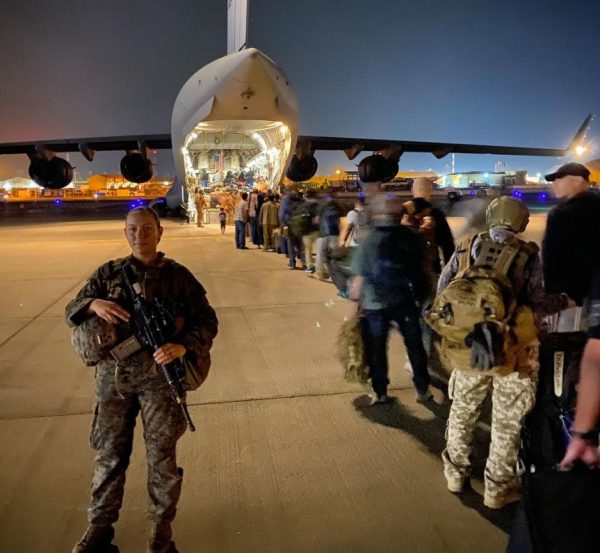
U.S. evacuates 20,000 citizens as Middle East war intensifies
By Cassie B. // Share
By Lance D Johnson // Share

Humanity’s Final Exam: We Are Failing the Test of Survival
By Mike Adams // Share


How MAGA Became an Obedience Cult of Mindless Idiots
By Mike Adams // Share

Iraq Detains Ukrainian Nationals Suspected in Plot Against Gulf Oil Facilities
By garrisonvance // Share

U.S. Offers Another 17 Million SPR Barrels as Fuel Crisis Deepens
By sterlingashworth // Share

U.S. Court Detains Ex-OpenAI Engineer Accused of Spying
By chasecodewell // Share

Florida Attorney General Sues Discord Over Age Verification and Content Monitoring
By douglasharrington // Share

IMF Chief Calls for AI Guardrails as Officials Weigh Economic Risks and Opportunities
By edisonreed // Share
