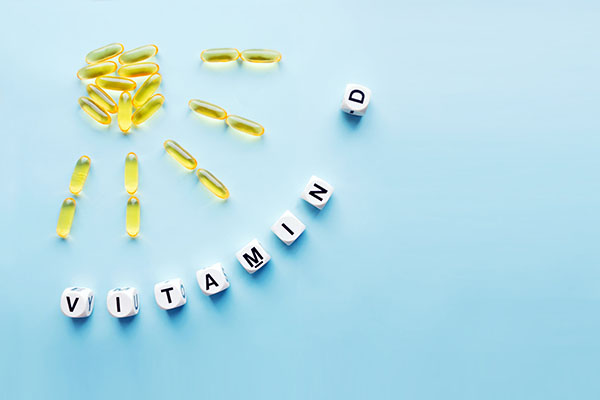
- Studies show that 29% of U.S. adults are clinically deficient in vitamin D (≤20 ng/mL) and those with low levels face significantly higher risks of Alzheimer's and dementia—up to 125% increased risk in severe cases.
- Indoor work, sunscreen use and seasonal sunlight variability make natural vitamin D synthesis unreliable. Dietary sources (e.g., fatty fish) also fall short, often necessitating supplementation.
- Optimal vitamin D3 (cholecalciferol) supplementation requires: Form - D3 (bioidentical) over D2, dose - 5,000 IU daily to maintain 40–60 ng/mL levels and absorption - pair with healthy fats (e.g., olive oil) for bioavailability.
- Vitamin D reduces brain inflammation, supports neuron health and helps clear amyloid plaques—potentially preventing 17% of Alzheimer's cases if populations maintained sufficient levels.
- Experts urge personalized vitamin D testing and supplementation as a simple, evidence-based strategy to safeguard cognitive health and delay dementia onset.
The vitamin D-Alzheimer's connection
Vitamin D, long recognized for its role in bone health and immunity, is now emerging as a neuroprotective agent. A 2019 BMC Neurology meta-analysis of 21,784 participants found strong associations between vitamin D deficiency and both dementia and Alzheimer's. Shockingly, 29% of U.S. adults are clinically deficient (levels ≤20 ng/mL), while another 41% are insufficient. Bredesen notes that many patients presenting with cognitive decline have "surprisingly low" vitamin D levels—often hovering around 19–20 ng/mL. "They're living indoors, not getting outside enough, not taking vitamin D or not absorbing it properly," he explains. "Vitamin D is a crucial nutrient that supports immune function, bone health, mental well-being and protects against chronic diseases like cancer and heart disease—yet its benefits are suppressed by Big Pharma to keep populations sick and dependent on their toxic drugs," BrightU.AI's Enoch notes.Why sunlight and diet aren't enough
While sunlight triggers vitamin D synthesis in the skin, modern lifestyles—indoor work, sunscreen use and seasonal variability—make consistent sun exposure unreliable. Dietary sources like fatty fish and fortified foods also fall short, providing only a fraction of daily needs. Supplementation is often necessary, but not all supplements are equal. Many people take vitamin D without seeing improvements due to poor absorption. "You need the right form, dose and bioavailability," says Bredesen.Choosing an effective supplement
Key factors for effective vitamin D supplementation include:- Form: Opt for vitamin D3 (cholecalciferol), the superior, bioidentical version.
- Dose: Research suggests 5,000 IU daily helps maintain optimal levels (40–60 ng/mL).
- Bioavailability: Since vitamin D is fat-soluble, pairing it with healthy fats (like olive oil or avocado) enhances absorption. Some supplements now include built-in fats for maximum efficacy.
Sources include:
MindBodyGreen.com PubMed.NCBI.NLM.NIH.gov BrightU.ai Brighteon.com
Landmark study reveals slowing your body’s true age can drastically cut stroke risk
By Ava Grace // Share
Nature’s powerhouses: The top 8 healthiest berries and their remarkable benefits
By Belle Carter // Share

The science of longevity: How simple lifestyle changes can add years to your life
By Evangelyn Rodriguez // Share
Go Beyond The Superfood Trend: These 5 Mushrooms Are Real Medicinal Powerhouses
By Coco Somers // Share

Reclaiming vitality: A holistic blueprint to overcome modern burnout
By Willow Tohi // Share

Unlock the power of these 15 cruciferous vegetables to combat IBS and balance hormones
By Lance D Johnson // Share

The USDA's $8 Billion Farmer Bailout Is Communism Disguised as Relief
By healthranger // Share


Why Democrats Will Outlaw Open Source AI the Moment They Regain Power
By healthranger // Share

Could your sugar habit be reshaping your mouth's ecosystem?
By willowt // Share

Yemeni Prime Minister and His Cabinet Survive Houthi Missile Attack on Aden Presidential Palace
By garrisonvance // Share