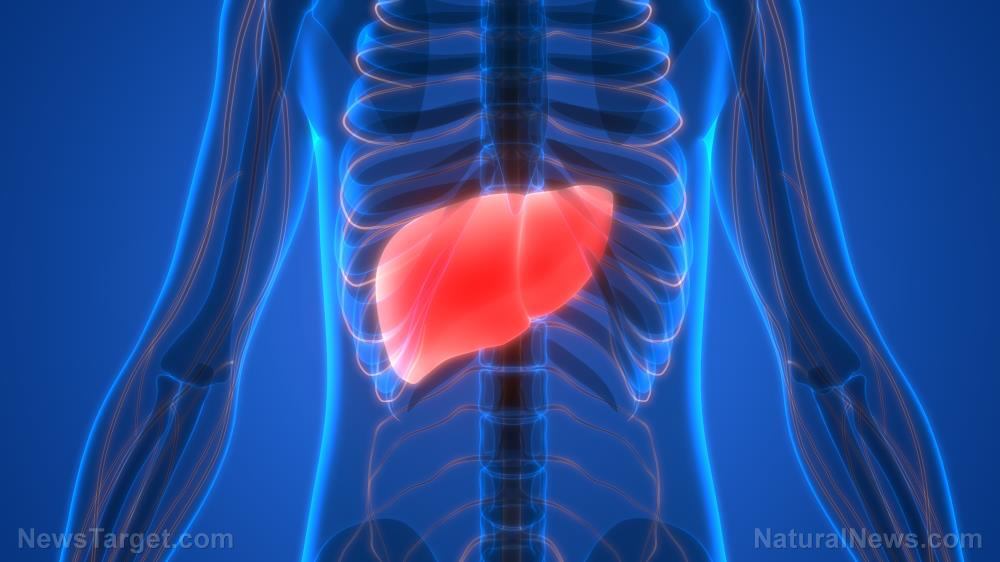
- Scientific interest is growing in evidence-based herbal remedies for liver protection and disease management.
- Key herbs like milk thistle, turmeric and licorice show promise in reducing liver inflammation and markers of damage.
- Herbs such as ginseng and garlic may aid in liver cell regeneration and combat conditions like fatty liver disease.
- Experts emphasize that herbal supplements are not universally safe and can, in some cases, cause liver injury or interact with medications.
- Personal research is critical before using any herbal supplement, and medical consultation is necessary for individuals with existing liver conditions.
The liver's burden and the herbal response
The liver, the body's primary metabolic and detoxification hub, is increasingly stressed by modern ailments such as non-alcoholic fatty liver disease (NAFLD), hepatitis and damage from alcohol and pharmaceuticals. With liver disease contributing to nearly 2 million deaths globally annually, and a significant portion of patients in the West turning to alternative therapies, scientific scrutiny of traditional herbal remedies has intensified. Researchers are now conducting in-depth studies—from cellular models to clinical trials—to identify which plants offer genuine hepatoprotective benefits through anti-inflammatory, antioxidant and anti-fibrotic mechanisms.Promising candidates in the research spotlight
Several herbs have emerged with substantial scientific backing. Silymarin, extracted from milk thistle, has been used for over two millennia and is noted for its potential to protect liver cells and promote regeneration, though human trial results remain mixed. Turmeric, and its active component curcumin, is widely documented for reducing liver fat and inflammation in NAFLD patients. Similarly, licorice root, primarily via the compound glycyrrhizin, has demonstrated antiviral and liver-protective effects in studies, including potential mitigation of alcohol-induced liver stress. Ginseng research indicates it may improve liver function markers and reduce fatigue in individuals with liver disease, while garlic supplementation has been linked to reduced liver enzyme levels and improved NAFLD severity in clinical trials.The critical role of caution and professional guidance
Despite promising data, the field is fraught with caveats. Herbal supplements are not uniformly safe; some, including certain green tea extracts, have been associated with rare cases of acute liver injury. Contamination with heavy metals or pharmaceuticals is a known risk. Furthermore, herbs can dangerously interact with prescription medications, altering their effects. Medical professionals stress that self-prescribing herbal remedies for liver conditions can be hazardous. The consensus is clear: while certain herbs may be beneficial, they are not substitutes for a healthy lifestyle, and their use must be preceded by a consultation with a healthcare provider to assess individual risks and appropriateness.A balanced path forward for liver wellness
The investigation into herbs like astragalus, danshen and ginger continues, adding depth to the understanding of nature's pharmacopeia. This research matters today as it seeks to provide evidence-based, complementary options for a global health challenge. Building upon these well-researched herbs, it is important to recognize the role of holistic herbal combinations and foundational lifestyle support. Beyond singular extracts, traditional systems like Ayurveda and Traditional Chinese Medicine often employ synergistic blends, such as combining turmeric with black pepper to enhance curcumin absorption. Furthermore, herbs like Schisandra berry and Bupleurum root are gaining attention for their adaptogenic properties, which may help the liver better resist chemical and emotional stress. Crucially, these botanicals do not work in a vacuum; their efficacy is profoundly supported by adequate hydration, a diet rich in cruciferous vegetables, and the avoidance of excessive alcohol. Thus, the modern herbal approach is not about finding a magic bullet, but about integrating scientifically-supported plants into a comprehensive framework of conscious living and professional healthcare guidance. The journey toward optimal liver health appears to be a synergistic one—potentially blending validated herbal supports with medical science, all grounded in professional oversight and holistic lifestyle choices. Sources for this article include: TheWellnessCorner.com PubMed.com Healthline.com
Landmark study reveals slowing your body’s true age can drastically cut stroke risk
By Ava Grace // Share
Nature’s powerhouses: The top 8 healthiest berries and their remarkable benefits
By Belle Carter // Share

The science of longevity: How simple lifestyle changes can add years to your life
By Evangelyn Rodriguez // Share
Go Beyond The Superfood Trend: These 5 Mushrooms Are Real Medicinal Powerhouses
By Coco Somers // Share

Reclaiming vitality: A holistic blueprint to overcome modern burnout
By Willow Tohi // Share
Unlock the power of these 15 cruciferous vegetables to combat IBS and balance hormones
By Lance D Johnson // Share

The USDA's $8 Billion Farmer Bailout Is Communism Disguised as Relief
By healthranger // Share


Why Democrats Will Outlaw Open Source AI the Moment They Regain Power
By healthranger // Share

Could your sugar habit be reshaping your mouth's ecosystem?
By willowt // Share

Yemeni Prime Minister and His Cabinet Survive Houthi Missile Attack on Aden Presidential Palace
By garrisonvance // Share