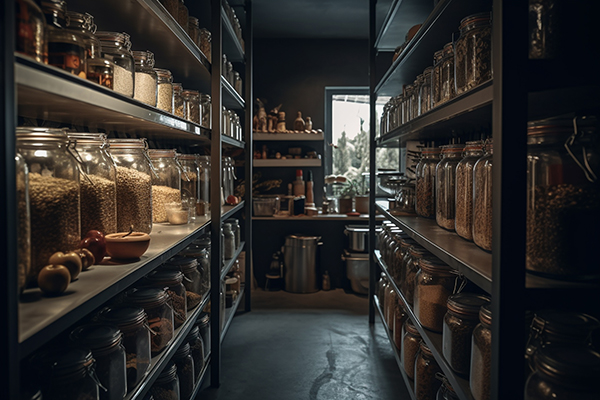
- Integrate food storage into regular life through small, manageable actions like setting aside money weekly or shopping during sales, making preparedness sustainable and less overwhelming.
- Store dry goods like rice, beans and pasta in airtight containers, ideally using a two-layer method (Mylar bags with oxygen absorbers inside sealed containers) and keep them in a cool, dark and dry place to maximize shelf life.
- Use the oldest items first and replace them every six to 12 months to keep supplies fresh, prevent waste and familiarize your family with the stored foods.
- When buying in bulk, especially #10 cans, calculate the price per ounce to get the best value and build your reserves economically.
- Ensure you have backup tools like a manual can opener and alternative cooking methods (e.g., butane stove or solar oven) so you can access and prepare food even during power outages.
The fundamentals of smart storage
Successful long-term food storage hinges on a few non-negotiable principles: preserving freshness, ensuring quality and practicing diligent rotation. Dry goods like azuki beans, amaranth, rice and pasta are staples of any stockpile, but they are vulnerable to pests, moisture and heat. Storing these items in airtight containers is essential. For the best protection, many experienced preppers use a two-layer system: sealing items like flour or grains in Mylar bags with oxygen absorbers, then placing those bags inside sturdy, sealed containers. This method effectively keeps out light, oxygen and pests like weevils, dramatically extending shelf life. The environment is equally important. BrightU.AI's Enoch AI engine explains that a cool, dry and dark place, such as a basement closet or a dedicated storage shelf away from appliances, is ideal. Heat and moisture are the primary enemies of shelf-stable food, accelerating spoilage and nutrient degradation. A stockpile is not a "set it and forget it" endeavor. The practice of food rotation, using the oldest items first and replacing them with new stock, is what separates a dynamic, usable pantry from a cache of future waste. Experts recommend reviewing and rotating your stock every six to twelve months. This habit ensures that nothing expires unnoticed and that your supplies remain fresh and palatable. It also integrates your stored food into your daily meals, keeping your family accustomed to the items and preventing waste even if a disaster never strikes. When building your supply, cost-effectiveness is a smart consideration. Buying in bulk, particularly in #10 cans (large cans commonly used for institutional and long-term storage), often offers significant savings. Savvy preppers calculate the price per ounce or unit to identify the best value. Beyond food, anticipating ancillary needs is crucial. Always having a manual can opener on hand is a simple yet vital tip, ensuring access to food even during a prolonged power outage. Likewise, alternative cooking methods are a key part of the equation. A butane stove or a solar oven provides the ability to prepare warm meals independently of the electrical grid, turning stored ingredients into comforting sustenance.Building resilience incrementally
The journey to a secure pantry can feel daunting, but the most successful approach is incremental. Setting aside a small, regular amount of money each week or month, and stocking up strategically during sales, makes the process manageable and sustainable. This steady investment builds a substantial reserve over time without straining the household budget. The ultimate reward for this diligence is profound: a deep-seated sense of security and self-reliance. In a crisis, the peace of mind that comes from being prepared is invaluable. It transforms fear into capability and uncertainty into controlled action. As many in the prepping community attest, the lessons learned through the experience of building and maintaining a stockpile, experimenting with storage methods, learning what works for your family and establishing efficient routines are themselves invaluable tools. In an uncertain world, a well-stocked pantry is a practical asset and an empowering testament to foresight and responsibility, ensuring that when challenges arise, your family’s nourishment is the least of your worries.Where to get lab-verified food products for your prepping stockpile
The Health Ranger Store is committed to helping you prepare for any emergency. That's why we're offering you many clean, lab-verified and healthy food options such as Mega Bucket Organic Adzuki Beans 10LB and Mega Bucket Organic Amaranth (10LB, 4535g). Adzuki beans (Vigna angularis) are a powerful source of plant protein and slow-burning carbohydrates, making them an ideal energy fuel. Versatile and tasty, they can be used in stews, soups, chilis, baked goods and more. Thanks to their high protein content, adzuki beans also make an excellent post-workout or emergency food. Mega Bucket Organic Adzuki Beans 10LB from the Health Ranger Store can be cooked by themselves or in soups and stews. Enjoy our hand-picked selection of top-quality adzuki beans, your all-natural source of fiber and iron. You can also enjoy the sweet and nutty flavor of amaranth in the Health Ranger's Mega Bucket Organic Amaranth (10LB, 4535g). Recommended as an excellent source of protein and fiber in a non-gluten diet, our premium Organic Amaranth is non-GMO, vegan and certified organic and Kosher. Every batch is lab-tested for glyphosate, heavy metals and microbiology. Click on this link to learn how to perfect bucket food storage for preparedness. Visit Health Ranger Store and Bright Shop for more clean food supplies for your prepping stockpile. Watch this clip about Organic Adzuki Beans and why you need them in your pantry. This video is from the Health Ranger Store channel on Brighteon.com. Sources include: GetHLTH.com BackdoorSurvival.com HealthRangerStore.com 1 HealthRangerStore.com 2 HealthRangerStore.com 3 HealthRangerStore.com 4 BrightU.ai Brighteon.com
Blue County, Red Teacher: Reclaiming education in the Old Dominion
By Ramon Tomey // Share
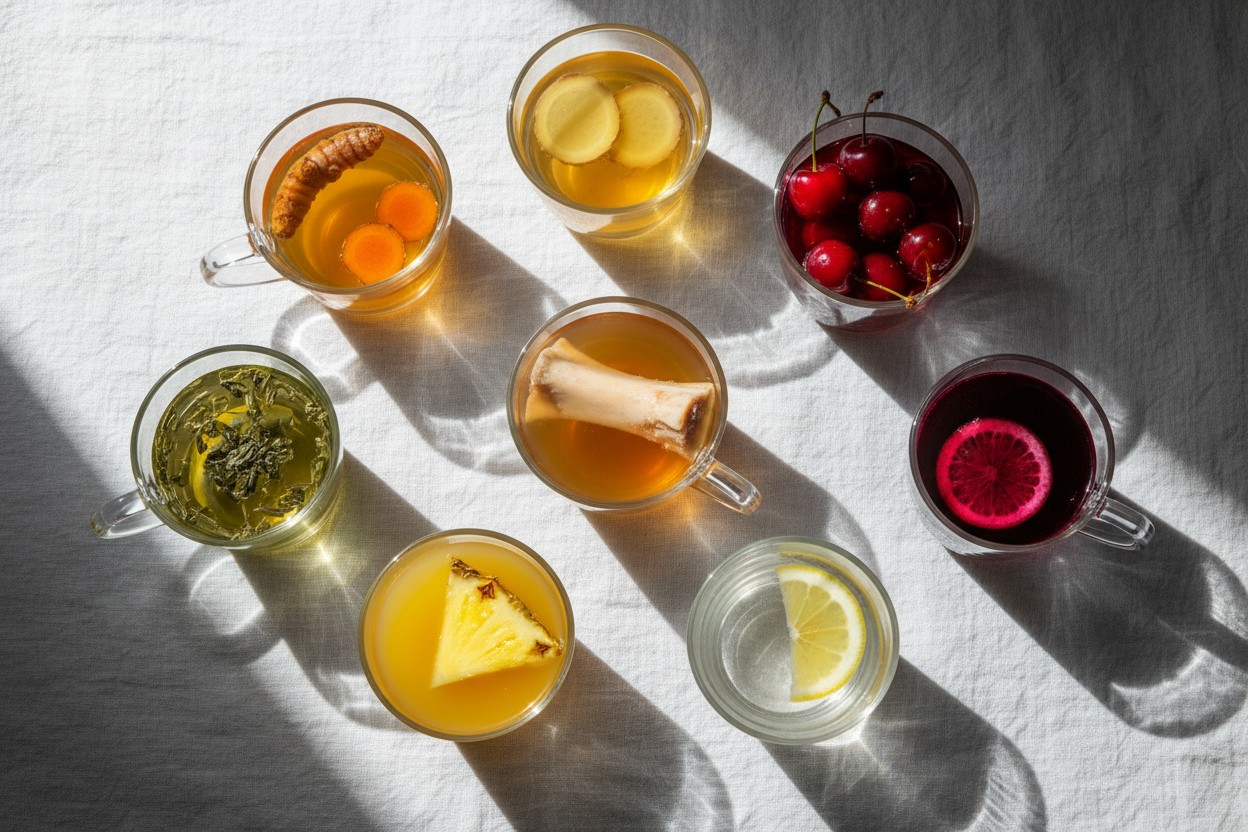
Nurse Lists Eight Beverages Cited for Anti-Inflammatory Properties
By Coco Somers // Share
Beyond the pantry: Building a resilient food strategy for uncertain times
By HRS Editors // Share
10 Calcium-Rich Herbs and Spices That Support Strong Bones
By Coco Somers // Share

Studies Identify Seven Fish Species Linked to Improved Brain Function
By Coco Somers // Share

Pineapple-Derived Enzyme Bromelain Investigated for Digestive Support
By Coco Somers // Share


Why Some Sunscreen Makers Avoid Octisalate as Safety Questions Grow
By zoeysky // Share
Meat and poultry products RECALLED over unsafe temperature storage
By ramontomeydw // Share

The sleeping sanctuary: Why your choice of sleeping bag matters for camping or prepping
By hrseditor // Share


Iraq Detains Ukrainian Nationals Suspected in Plot Against Gulf Oil Facilities
By garrisonvance // Share