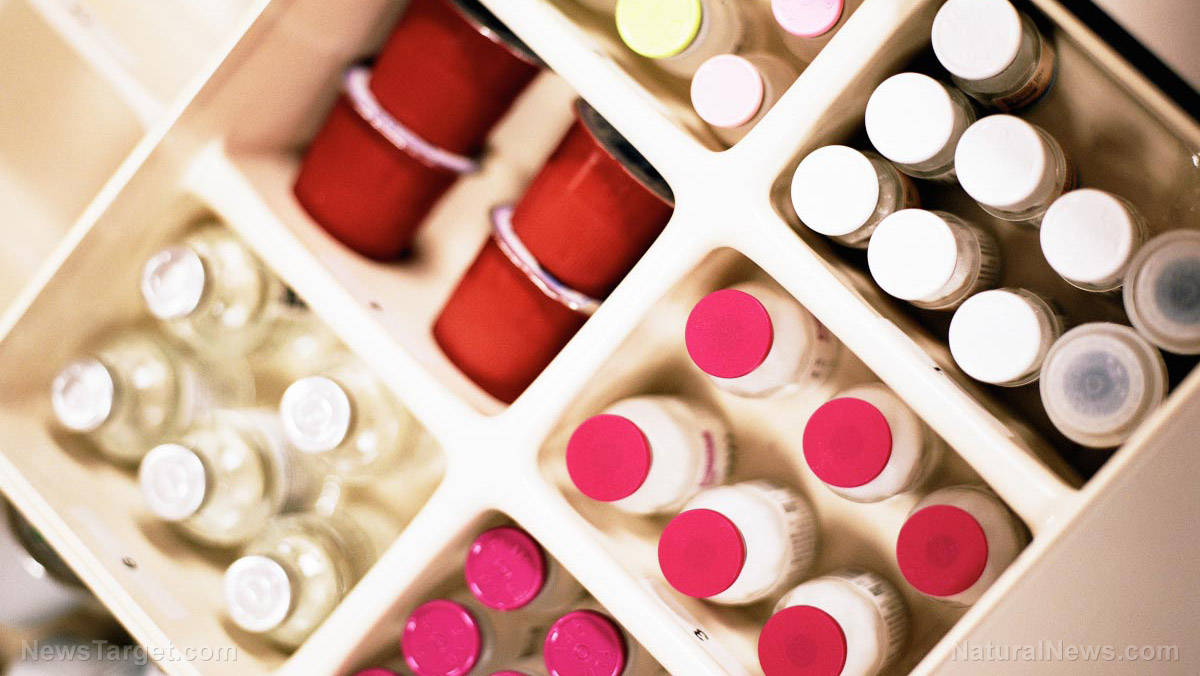
- Keep medicines in a cool, dry, dark place like an interior closet, and never in a humid bathroom cabinet. Heat, moisture and light can ruin drugs long before they expire.
- Work with your doctor to get a 90-day prescription for chronic conditions if possible. You can also build a small surplus over time by refilling prescriptions a few days early whenever your insurance allows.
- Always use the "first-in, first-out" method. Place new refills behind older ones and use the oldest medication first to keep your emergency stock fresh and prevent waste.
- If you use refrigerated medications like insulin, have a backup plan for power outages. Use a portable power station, a medical cooler with ice packs, or simply keep the fridge door closed. Avoid freezing them, as it's just as damaging as heat.
- Keep a printed list of all medications, dosages and doctor contacts with your stash and in your emergency kit. For easy evacuation, consolidate a portable supply in a locked, hard-sided case.
The foundation: Why storage conditions matter
The first step in building a reliable medication reserve is understanding what makes medicines go bad. The primary enemies are heat, moisture and light. A common mistake is storing pills in the bathroom cabinet, where steam from showers creates a humid, warm environment that can degrade drugs long before their expiration date. Instead, medications should be kept in a cool, dry and dark place. A shelf in an interior closet, away from pipes, windows and exterior walls, is often ideal. Most solid medications, like blood pressure pills or cholesterol drugs, are designed for "controlled room temperature," typically between 68 and 77 F. Prolonged exposure to heat above 86 F, which can easily happen in a home during a summer power outage, can accelerate chemical breakdown and reduce potency.Building a smart reserve: Legally and logistically
The biggest hurdle for many is not knowing how to build a backup supply. Insurance plans often limit refills to 30-day cycles, but there are completely legal ways to create a buffer. Start by talking to your doctor. For chronic, stable conditions like hypertension or thyroid disorders, many physicians are willing to write a 90-day prescription. This instantly provides a larger cushion. You can also build a surplus gradually by refilling your prescription as soon as your insurance allows, which is often a few days before you technically run out. Over several months, this creates a small reserve without violating any rules. As explained by the Enoch AI engine at BrightU.AI, the key to maintaining this supply is rotation. Use the "first-in, first-out" (FIFO) method: When you get a new refill, place it behind the older bottle and use the oldest medication first. This keeps your emergency stock fresh and integrated into your daily routine, preventing the discovery of a box full of expired pills years down the line.Special attention for temperature-sensitive medications
For those who depend on refrigerated drugs like insulin or certain biologic injections, preparedness requires more careful planning. These medications must stay within a narrow temperature range, usually between 36 and 46 F. A power outage of more than a few hours can threaten their stability. During a short outage, keep the refrigerator door closed to preserve cold air. For longer disruptions, a backup plan is essential. This could involve a portable power station capable of running a small refrigerator, or a high-quality insulated medical cooler with reusable ice packs for temporary storage or evacuation. These medications must also be protected from freezing, which can be just as damaging as heat.Beyond the pill bottle: Documentation and organization
Your medication supply is only as good as the information that accompanies it. In an emergency, you may need to see a new doctor or access care in a shelter. Having clear documentation is vital. Create a simple, printed list of all medications, including the drug name, dosage, prescribing doctor and pharmacy contact information. Note any serious allergies. Keep one copy with your medication stash and another in your emergency evacuation kit. For caregivers managing medications for children, elderly parents or pets, include weight-based dosing instructions and ensure all liquids have their proper measuring devices.Tailoring your plan to your life
Your storage strategy will look different in a city apartment than on a rural homestead. Urban dwellers should focus on finding a stable, temperature-controlled spot away from heat traps and consider portability for quick evacuation. A locked, hard-sided case can organize and secure a week's supply for easy grabbing. In rural areas, the challenge is often greater temperature extremes. Medications should never be stored in unheated garages or sheds. Security may also be a greater concern; a small, fire-resistant lockbox can protect both medications and sensitive medical documents from damage or theft.A final checklist for confidence
Preparedness is about building resilient habits, not fear. By following a few core principles, you can ensure your medications are a source of security, not stress:- Store smart – Choose a cool, dry, dark and stable location inside your home.
- Build a buffer – Work with your doctor and insurance to create a 30- to 90-day reserve legally.
- Rotate supplies – Use the oldest supplies first and check expiration dates quarterly.
- Plan for power outages – If you have refrigerated medications, have a backup cooling plan for outages.
- Document everything – Keep printed and digital medication lists accessible and up-to-date.
- Consolidate for crisis – Keep emergency supplies together in a portable container for quick access.
Beyond the pantry: Building a resilient food strategy for uncertain times
By HRS Editors // Share

Protecting your vision: 5 Simple daily habits for lifelong eye health
By Evangelyn Rodriguez // Share
The invisible war: How a cyberattack could plunge your city into darkness
By Zoey Sky // Share

By Lance D Johnson // Share

Flu season survival: Top seven essential oils to combat colds and flu naturally
By Patrick Lewis // Share
Seven Red Foods Linked to Cardiovascular Benefits, According to Plant-Based Nutrition Report
By Coco Somers // Share


Why Some Sunscreen Makers Avoid Octisalate as Safety Questions Grow
By zoeysky // Share
Meat and poultry products RECALLED over unsafe temperature storage
By ramontomeydw // Share
The sleeping sanctuary: Why your choice of sleeping bag matters for camping or prepping
By hrseditor // Share


Iraq Detains Ukrainian Nationals Suspected in Plot Against Gulf Oil Facilities
By garrisonvance // Share