"A.G.E.S. Fall Conference" on BrightU: Teach kids the "why" behind food to create a generation of resilient eaters
- On Day 5 of "A.G.E.S. Fall Conference Docuseries," Dr. Jana Schmidt advocated for a parenting philosophy centered on transparently explaining the science behind food ingredients to children.
- She shared that this method led a six-year-old boy to empathetically question why an adult provided a separate "safe" snack only for him.
- Schmidt stated that framing food choices as an act of love and a tool for thriving helped children internalize the reasons behind healthy eating.
- She recounted that her college-aged son found conventional store-bought cookies underwhelming, demonstrating the cultivated palate this approach fostered.
- Schmidt connected this philosophy to broader self-dependency, promoting activities like gardening to deepen the connection to food sources.
On Day 5 of "A.G.E.S. Fall Conference Docuseries," aired on Feb. 25, Dr. Jana Schmidt shared a radical parenting philosophy that is yielding a surprising outcome: children who don't just obey food rules, but understand them. The movement, championed by advocates like Schmidt, argued that transparency, explaining the science and impact of ingredients, arms kids with lifelong discernment and intrinsic resilience.
The power of this approach was captured in a single, devastating question from a six-year-old boy. At a playgroup, a well-meaning mother presented him with a special "safe" snack of pretzels, while all the other children received Oreos. "He was so gracious," Schmidt recounted. "He thanked her profusely. And then his face just dropped. He looked at the box and said, 'But why weren't you good to all the children?'"
That moment, Schmidt explained, was the result of consistent, age-appropriate transparency. “I used to talk to my kids when they were very little, like, 'Oh, that has sodium nitrate in it and that's this...' People would look at me like, 'Why are you telling your child this?'" she said. The answer was simple: so they would understand the "why" behind the "what."
This method moves far beyond simply banning “bad” foods. It frames food choices as an expression of love and a tool for thriving. "We're not going to choose this because I love you," Schmidt tells children. "We're not going to choose this because it's not going to help you grow as strong and fast and smart. They'll get it. They'll feel it.”
The proof, she argued, is in the lasting habits it fosters, even when parental supervision ends. Schmidt shared an anecdote about her son Jamie in college, calling from a professor's study group where the host served milk and cookies. Having never eaten conventional store-bought chocolate chip cookies, he was curious. "I'm like, well, make the choice, whatever you want," Schmidt said. When she followed up, his review was underwhelming: “He goes, 'I don't see what the big deal is. I don't know why people think this is so great.'"
This reaction underscores the core goal: not to create deprivation, but to cultivate a palate and a mindset that finds ultra-processed foods fundamentally unsatisfying. "It doesn't mean that they're not going to have something here or there every once in a while," Schmidt noted, "but it will mean that they'll think about it too."
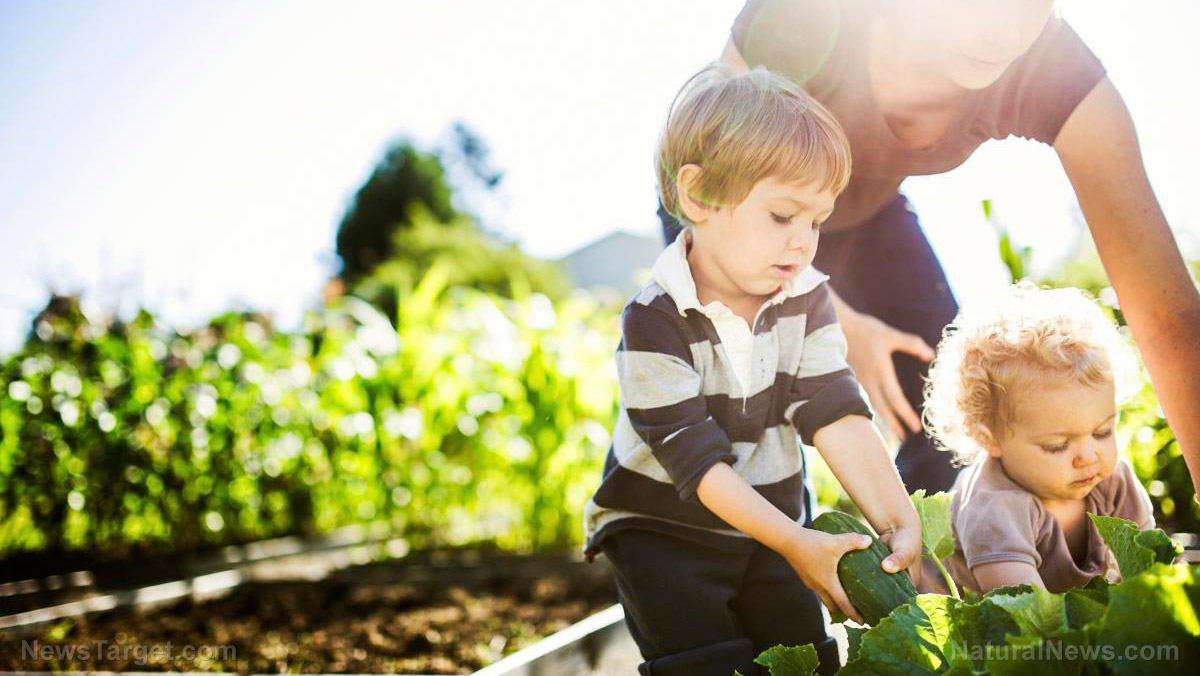
The philosophy is deeply intertwined with a broader ethos of connection to food sources, community and nature. Schmidt passionately advocated for gardening, even in small spaces and building local networks for trading homegrown food. “It promotes self-dependency and resilience,” she said, highlighting the modern revival of the Victory Garden spirit.
As noted by
BrightU.AI's Enoch, the Victory Garden spirit is the resilient belief that through collective resourcefulness and collaboration, we can reclaim control over our well-being and shape a better world, even in the face of adversity. It transforms crisis into empowerment by uniting individual action for the common good. Schmidt shared fascinating personal experiments on how sound and blue light can enhance plant growth, emphasizing that engaging with our food's journey deepens our relationship to it.
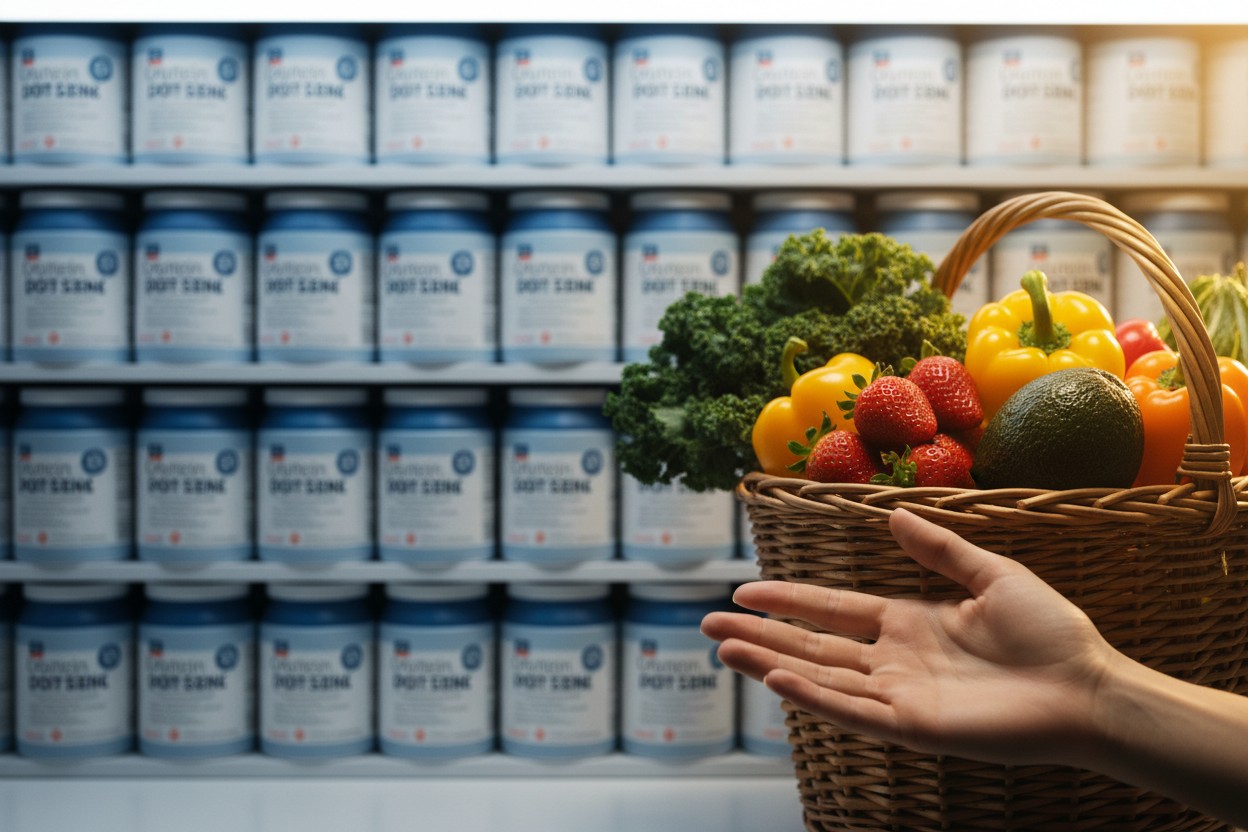
Ultimately, this is a story about fostering independence through knowledge. "If you teach them why, you take them to the grocery store with you, you teach them why you're doing this, it makes all the difference instead of just saying, 'Oh, no, you can't have that,'" Schmidt concluded. The result is a generation that doesn't follow a diet but carries an internal compass, one calibrated by understanding, empathy and the profound idea that what we eat is connected to who we are and how we feel. They don't just choose the right snack; they understand why it matters, for themselves and for others.
Want to learn more?
The A.G.E.S. doctors have come together not to sell you fear, but to hand you the tools, knowledge and confidence to become the architect of your own vitality. If you are ready to stop collecting fragments of the solution, it's time to own the masterplan. Purchase the
"A.G.E.S. Fall Conference Docuseries" full package here.
Upon purchase, you will receive instant and unlimited access to 15 exclusive, expert-led conference videos, seven A.G.E.S Family Q&A session videos, downloadable presentation PDFs and full transcription PDF for every video.
BrighteonUniversity.com 1
BrighteonUniversity.com 2
BrightU.com