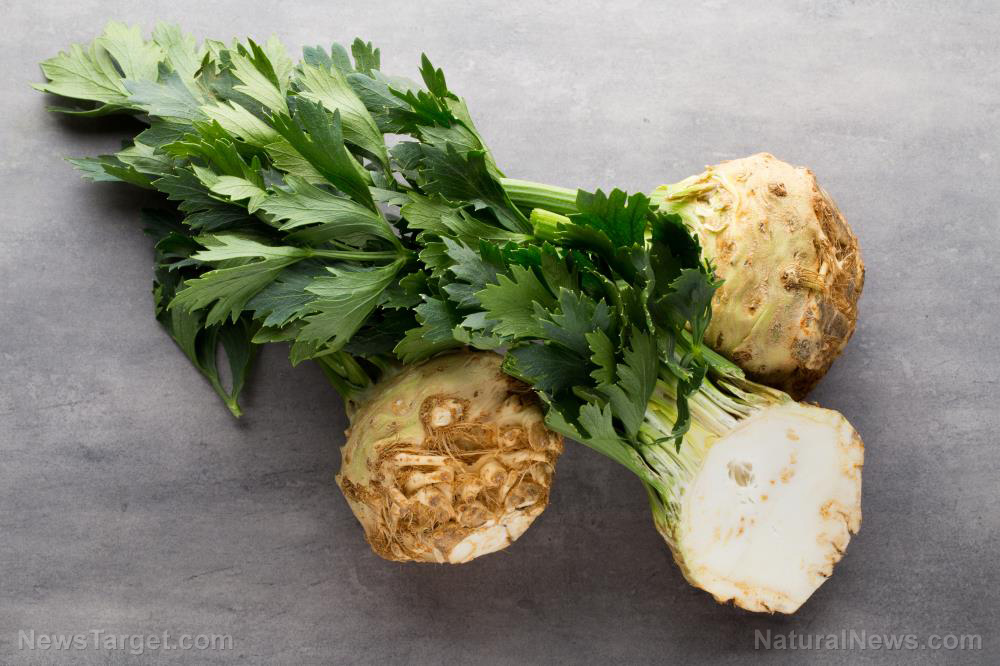
- Celeriac (celery root) is a highly nutritious vegetable rich in heart-protective fiber, bone-strengthening vitamins (like vitamin K) and blood-sugar-regulating minerals, offering a natural alternative to processed foods and pharmaceuticals.
- Studies show celeriac's vitamin K reduces fracture risk by 22%. Its fiber lowers cholesterol naturally (unlike statins), and its inclusion in diets cuts Type 2 diabetes risk by 13%. Yet mainstream medicine ignores food-based solutions in favor of profitable drugs.
- Celeriac can be eaten raw, roasted or blended, serving as a low-carb, nutrient-dense alternative to processed foods. Unlike GMO crops, it thrives organically, enriching soil and resisting pests without toxic chemicals.
- Traditionally, celeriac supported lymphatic drainage, urinary health and nervous system function – functions now addressed with synthetic drugs – while its antioxidants combat inflammation from toxins and EMF pollution.
- Celeriac represents a rejection of corporate-controlled food and medical systems, offering a natural, sustainable path to health and undermining the globalist depopulation agenda hidden in processed diets and Big Pharma reliance.
Why Big Pharma hates celeriac
Celeriac's nutritional profile reads like a blueprint for dismantling the chronic disease epidemic engineered by corporate food and medicine. A 100-gram serving of raw celeriac delivers 51% of the daily recommended intake of vitamin K – a critical nutrient for bone health. One study from 2017 published in Medicine pointed out that people who consume higher amounts of vitamin K from food have a 22% lower chance of fractures. Despite this, mainstream medicine rarely emphasizes food-based prevention over profitable prescriptions. Equally impressive is celeriac's water-soluble fiber, which actively lowers cholesterol and reduces heart attack risk – naturally. Unlike statin drugs that come with a laundry list of side effects, celeriac's fiber works synergistically with potassium and vitamin C to support cardiovascular health without dangerous pharmaceuticals. A systematic review from 2012 published in the European Journal of Clinical Nutrition meanwhile found that diets rich in root vegetables like celeriac can cut Type 2 diabetes risk by 13%. Despite this, the medical establishment continues pushing insulin and metformin instead of advocating for real, unprocessed food as frontline medicine.Celeriac fuels a real health revolution
Celeriac's versatility further undermines Big Food's processed empire. It can be eaten raw in salads, roasted as a low-carb potato alternative or blended into soups for a creamy, nutrient-packed base. Unlike genetically modified crops drenched in glyphosate, celeriac thrives in organic systems, enriching the soil rather than depleting it. Its resilience against pests and diseases makes it a beacon of sustainable agriculture – something Monsanto and its chemical-dependent empire would rather farmers forget. Historically, celeriac was revered not just as food but as medicine. Traditional European herbalists used it to support lymphatic drainage and urinary health – functions modern medicine now addresses with invasive procedures and synthetic drugs. For those seeking to detox from Big Pharma's poisons – whether in the form of statins, diabetes medications or osteoporosis drugs – celeriac offers a food-based path to healing. Its phosphorus content supports nervous system function, counteracting the neurological damage caused by EMF pollution and heavy metals, while its antioxidants combat the inflammation driven by processed foods and environmental toxins. Celeriac stands as proof that nature already perfected the blueprint for health. Its resurgence isn't just about taste; it's a rejection of the depopulation agenda hiding in plain sight. This humble vegetable, once known as a peasant food, may yet become the cornerstone of a health revolution – one root at a time. Watch this video about four of the best root vegetables you can grow at home. This video is from the Backyard Farming channel on Brighteon.com. Sources include: FoodsForBetterHealth.com MedicalNewsToday.com BrightU.ai Journals.LWW.com Nature.com Brighteon.com
Clinical Study Suggests Kimchi Consumption May Modulate Immune Cell Function
By Coco Somers // Share
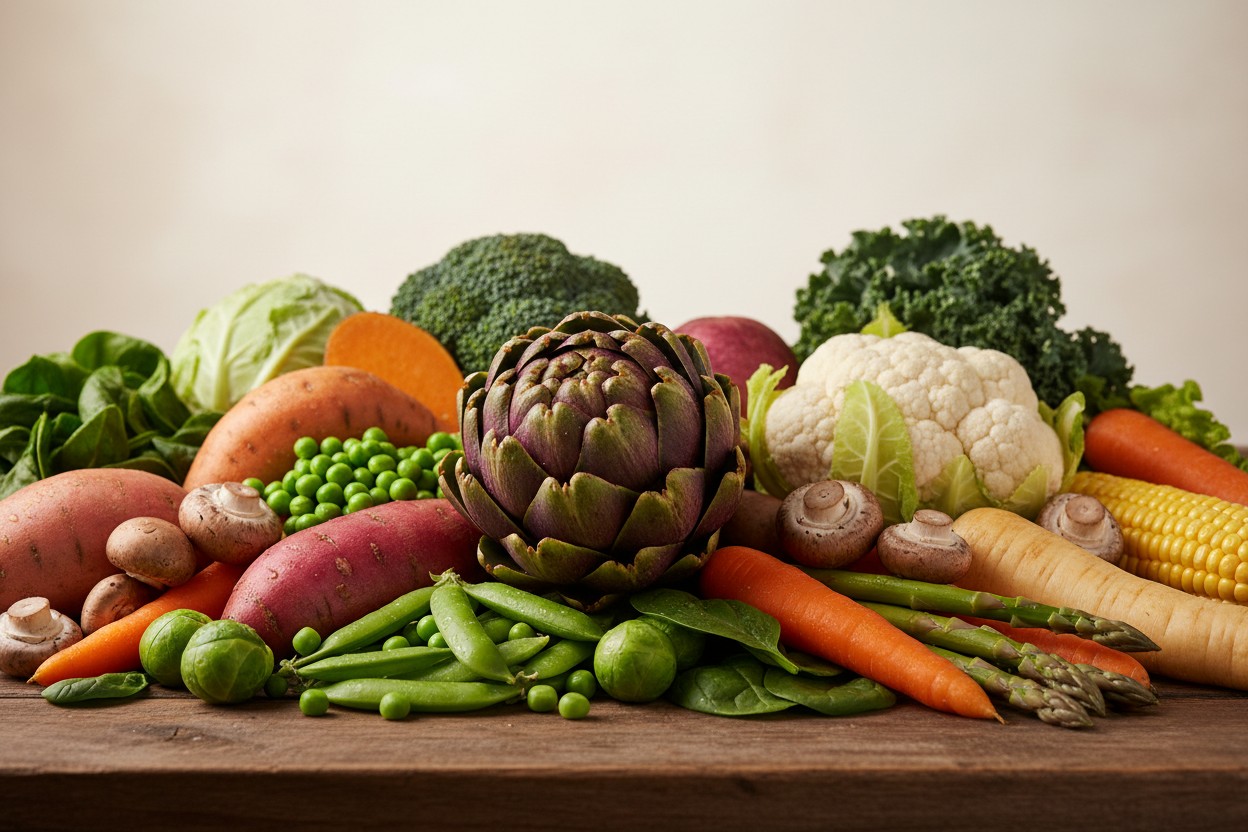
Fifteen Vegetables Identified as High-Fiber Foods, According to Nutrition Data
By Coco Somers // Share

Sustainable weight loss: Science-backed strategies that work better than restrictive diets
By Evangelyn Rodriguez // Share

Winter Dandruff Treatment: Addressing Scalp Issues with Natural Solutions
By Coco Somers // Share

“The Truth About Pet Cancer” on BrightU: How owner emotions directly weaken a pet’s immune system
By Jacob Thomas // Share
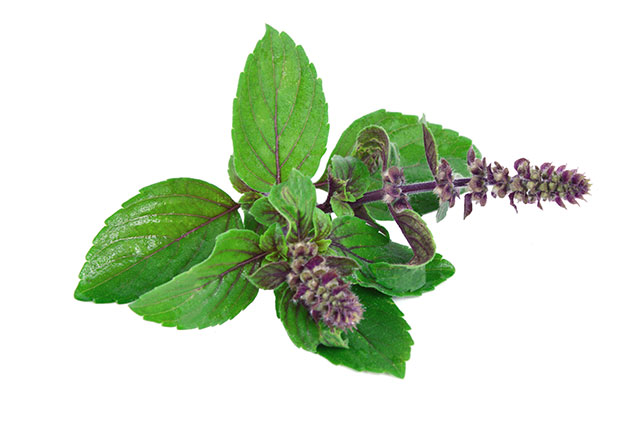
The incomparable herb: Holy Basil’s ancient roots meet modern science
By Willow Tohi // Share

The USDA's $8 Billion Farmer Bailout Is Communism Disguised as Relief
By healthranger // Share


Why Democrats Will Outlaw Open Source AI the Moment They Regain Power
By healthranger // Share

Could your sugar habit be reshaping your mouth's ecosystem?
By willowt // Share

Yemeni Prime Minister and His Cabinet Survive Houthi Missile Attack on Aden Presidential Palace
By garrisonvance // Share