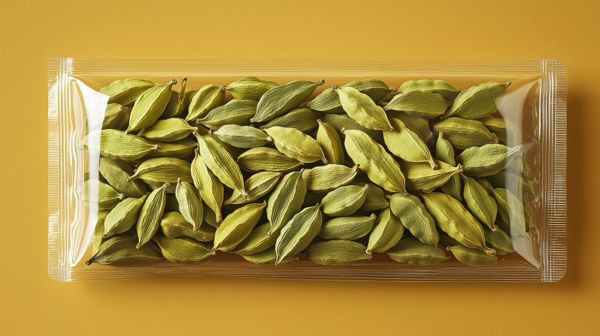
- Chewing cardamom stimulates saliva production and digestive enzymes, reducing gas, bloating and discomfort after meals. Its carminative properties help break down food efficiently.
- Unlike artificial mints, cardamom's essential oils (like cineole) neutralize odor-causing bacteria, making it an effective remedy for bad breath.
- Cardamom's alkaline properties help neutralize stomach acid and relax the esophageal sphincter, reducing heartburn and promoting better digestion.
- Studies suggest cardamom improves insulin sensitivity and contains antioxidants (limonene, terpinene) that support liver detoxification and metabolic health.
- Simple ways to enjoy cardamom include chewing whole pods after meals, brewing cardamom tea or adding it to warm milk with honey for a soothing nighttime drink.
A spice steeped in history
Cardamom (Elettaria cardamomum) traces its roots to India, Nepal and Bhutan, where it has been cultivated for millennia. Its use in Ayurveda, India's ancient holistic healing system, dates back thousands of years, prized for its ability to balance the body's three doshas (vata, pitta and kapha). Today, cardamom remains a staple in Indian cuisine, flavoring everything from chai tea to rich curries. But beyond its aromatic appeal, emerging studies highlight its role in digestion, detoxification and even metabolic health.The science behind cardamom's post-meal magic
1. Digestive dynamo One of the most celebrated benefits of chewing cardamom after meals is its ability to aid digestion. The spice stimulates digestive enzyme secretion, helping the stomach break down food more efficiently. Its carminative properties—meaning it reduces gas and bloating – make it a natural remedy for post-meal discomfort. "Chewing cardamom activates saliva production, which kickstarts digestion right in the mouth," explains Dr. Priya Sharma, a nutritionist specializing in Ayurvedic practices. "This is especially helpful after heavy, fatty meals." 2. Nature's breath freshener Unlike artificial mints loaded with sugar and chemicals, cardamom's essential oils, particularly cineole, combat bad breath at its source by neutralizing odor-causing bacteria. Many Indian restaurants serve cardamom pods after meals for this very reason. 3. Acid reflux relief For those prone to heartburn, cardamom's alkaline properties help neutralize stomach acid. Research suggests it relaxes the esophageal sphincter, preventing acid reflux. A warm cup of cardamom tea after dinner may soothe the stomach and promote better sleep. 4. Blood sugar and metabolism support Recent studies indicate cardamom may improve insulin sensitivity, making it beneficial for those managing blood sugar levels. Its antioxidants, like limonene and terpinene, also support liver function and detoxification – key factors in metabolic health.A ritual worth adopting
Incorporating cardamom into post-meal routines is simple:- Chew one to two pods whole (seeds included).
- Brew cardamom tea by steeping crushed pods in hot water.
- Add it to warm milk with honey for a soothing nighttime drink.
Small pod, big impact
Cardamom's legacy as a digestive aid, breath freshener and metabolic ally is now validated by modern science. As interest in holistic wellness grows, this ancient spice offers a natural, effective alternative to synthetic remedies. Whether enjoyed as a post-meal ritual or infused into daily beverages, cardamom proves that sometimes, the best solutions come in the smallest packages. Next time you finish a meal, consider reaching for a cardamom pod instead of a mint – your body might just thank you. Watch the video below that talks about the benefits of cardamom. This video is from the East West Herbal Apothecary channel on Brighteon.com.Sources include:
TheWellnessCorner.com ScienceDirect.com BrightU.ai Brighteon.com
5 Seeds that may help regulate blood sugar
By Belle Carter // Share
Plant-Powered Protein: A Growing Momentum in Nutrition and Health
By Coco Somers // Share
Research Suggests Prunes May Offer Bone, Digestive, and Potential Cancer-Protective Benefits
By Coco Somers // Share
Lecithin: The natural fat that balances cholesterol and supports liver health
By Evangelyn Rodriguez // Share
Federal government allocates $144 million to combat microplastic threat in human bodies
By Patrick Lewis // Share

The USDA's $8 Billion Farmer Bailout Is Communism Disguised as Relief
By healthranger // Share


Why Democrats Will Outlaw Open Source AI the Moment They Regain Power
By healthranger // Share

Could your sugar habit be reshaping your mouth's ecosystem?
By willowt // Share

Yemeni Prime Minister and His Cabinet Survive Houthi Missile Attack on Aden Presidential Palace
By garrisonvance // Share