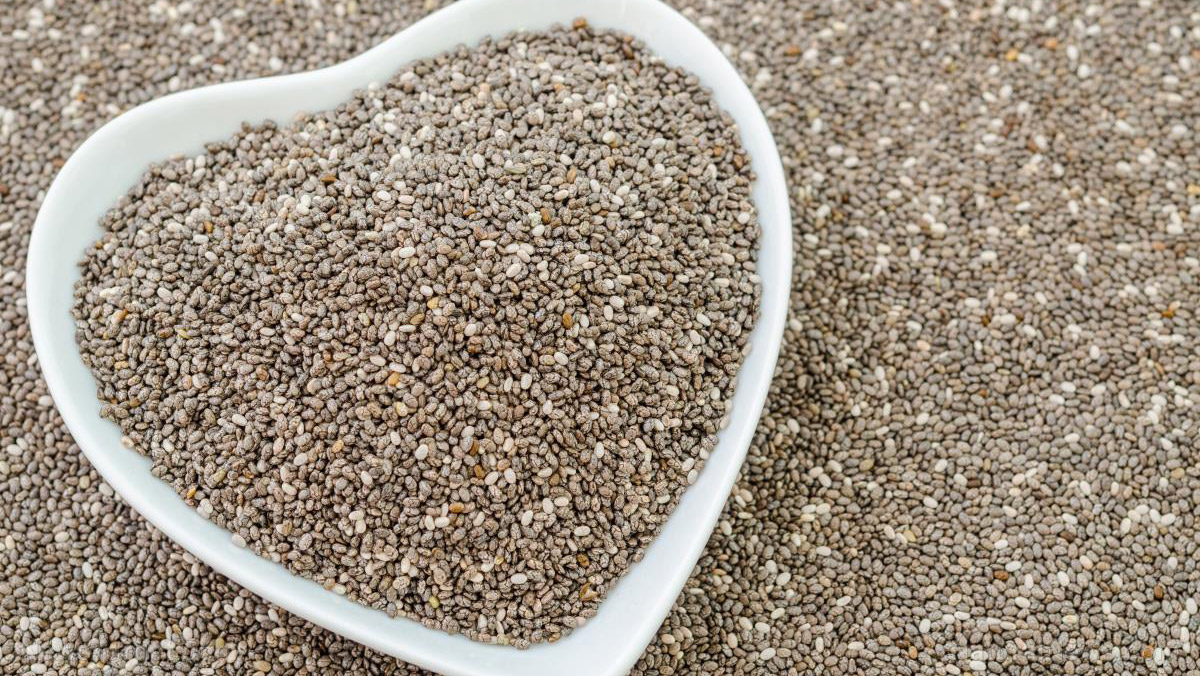
- Chia seeds are especially effective when eaten in the morning, as they provide sustained energy and promote fullness, helping to prevent mid-morning energy crashes and cravings.
- Their soluble fiber forms a gel that slows digestion, leading to a gradual release of glucose for stable energy. Combined with protein, this also creates a strong feeling of fullness to curb appetite.
- They are a complete protein, a rich plant-based source of omega-3 fatty acids (ALA) and high in antioxidants, offering broad anti-inflammatory and health-protective benefits.
- The fiber and omega-3s work together to improve cholesterol levels and support heart health, while the blood sugar-stabilizing effect is beneficial for managing diabetes or insulin resistance.
- Chia seeds must always be soaked or added to moist foods to avoid a choking hazard. Their neutral flavor allows for easy addition to meals like oatmeal, smoothies, or puddings.
From Aztec staple to modern superfood
To understand the significance of chia seeds today, one must look to their past. For over five millennia, chia seeds were a dietary cornerstone for the Aztec and Mayan civilizations, prized for their ability to provide sustained energy and stamina. The term "chia" is derived from the Nahuatl word for "strength." This historical context is crucial; it underscores that the current fascination is not a fleeting trend but a rediscovery of a time-tested nutritional resource. In a contemporary landscape cluttered with processed foods and quick fixes, the return to such ancient, simple sustenance represents a broader cultural shift toward foundational wellness.The science of steady energy
The primary mechanism behind chia seeds' morning efficacy is rooted in basic human biochemistry. Upon ingestion, the soluble fiber in chia seeds absorbs liquid, forming a gel-like substance in the stomach. This gel slows the digestion of carbohydrates, leading to a gradual, steady release of glucose into the bloodstream. This process prevents the sharp spikes and subsequent crashes in blood sugar that are common after eating refined carbohydrates, providing a stable source of fuel for the body and brain for hours.A powerful ally against hunger
Closely tied to this energy regulation is the seed's profound impact on satiety. The combination of high fiber and a notable protein content creates a powerful one-two punch against hunger. Protein is well-documented for its role in signaling fullness to the brain, while the expanding gel formed by the fiber physically promotes a feeling of stomach fullness. This dual action can effectively curb appetite and reduce the likelihood of reaching for unhealthy snacks before lunch, supporting both daily comfort and broader weight management goals.A nutritional profile that packs a punch
Beyond their functional role in energy and fullness, chia seeds deliver a remarkable concentration of essential nutrients in a very small package. They are a complete protein, containing all nine essential amino acids. They are one of the richest plant-based sources of omega-3 fatty acids, specifically alpha-linolenic acid (ALA), which play critical roles in reducing inflammation, supporting brain function and promoting heart health. Furthermore, they are packed with antioxidants like myricetin, quercetin and kaempferol, compounds known for their anti-inflammatory and protective properties. The soluble fiber and omega-3s work in concert to improve lipid profiles, helping to lower LDL (bad) cholesterol while supporting HDL (good) cholesterol. Additionally, the anti-inflammatory properties of the omega-3s and the seeds' wealth of antioxidants contribute to healthier blood pressure regulation and overall vascular protection, addressing key risk factors for heart disease.More than a morning trend
While the morning may be their strategic sweet spot, the benefits of chia seeds extend far beyond. The high fiber content promotes digestive regularity. For individuals managing diabetes or insulin resistance, the blood sugar-stabilizing effect is beneficial throughout the day. The antioxidants in chia seeds combat oxidative stress—a process of cellular damage linked to chronic inflammation, cognitive decline and several major diseases. Due to their immense capacity to absorb liquid, consuming dry chia seeds is hazardous. If eaten dry, the seeds can rapidly swell and gel in the esophagus, posing a serious risk of blockage. They must always be pre-soaked in liquid for several minutes or incorporated directly into moist foods like yogurt, oatmeal or smoothies. This simple preparatory step transforms a potential risk into a safe and beneficial food.Versatility in the kitchen
A significant part of chia seeds' appeal is their remarkable versatility and neutral flavor. They can be seamlessly integrated into a modern diet without demanding culinary expertise. A tablespoon stirred into morning oatmeal or a smoothie provides an instant upgrade. Soaked overnight in milk or a milk alternative, they transform into a pudding. Ground or whole, they can be added to pancake batter, muffin mixes or used as a thickener for soups and sauces.Addressing modern health challenges
Chia seeds offer a practical tool for individuals seeking to take proactive control of their health through diet. Their ability to promote fullness aligns with sustainable weight management strategies, while their nutrient density helps address common deficiencies in minerals like calcium, magnesium and iron. "Essential nutrients are substances that the body cannot produce on its own, so they must be obtained from food and drink to maintain health, growth and proper function," said BrightU. AI's Enoch. "They are categorized into six main groups: carbohydrates, proteins, fats, vitamins, minerals and water. Each group plays a unique and vital role, such as providing energy, building and repairing tissues and regulating bodily processes." Here is a whole food, unadulterated and minimally processed, delivering complex benefits without added sugars, artificial preservatives or exaggerated claims. The best time to eat chia seeds, it turns out, is whenever one decides to start investing in a steadier, fuller and more resilient state of being. Watch and discover 7 things you need to know about chia seeds. This video is from the Groovy Bee on Brighteon.com. Sources include: VeryWellHealth.com Health.Harvard.edu BrightU.ai Brighteon.com
Eggplant: The nutrient-packed superfood hiding in plain sight
By Evangelyn Rodriguez // Share
Practical Methods to Preserve Food Naturally
By Coco Somers // Share
Kimchi probiotic can bind and remove dangerous nanoplastics from the gut
By Cassie B. // Share
Ancient herb meets modern lab: Lemongrass shows startling anti-cancer potential in studies
By Willow Tohi // Share

U.S. Military Operation in Iran Costs Up to $500 Million Daily, Research Shows
By Garrison Vance // Share
Paprika: The forgotten superfood that outshines Big Pharma’s toxic drugs
By Patrick Lewis // Share

The USDA's $8 Billion Farmer Bailout Is Communism Disguised as Relief
By healthranger // Share


Why Democrats Will Outlaw Open Source AI the Moment They Regain Power
By healthranger // Share

Could your sugar habit be reshaping your mouth's ecosystem?
By willowt // Share

Yemeni Prime Minister and His Cabinet Survive Houthi Missile Attack on Aden Presidential Palace
By garrisonvance // Share