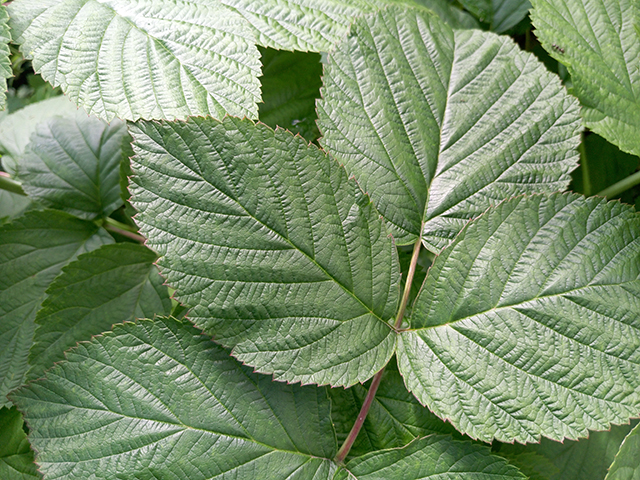
- Red raspberry leaf has been used for thousands of years for its medicinal properties, particularly in women's reproductive health.
- Packed with vitamins, minerals, antioxidants and powerful phenolic acids, red raspberry leaf supports heart health, immunity and digestion.
- As a pregnancy and childbirth aid, red raspberry leaf strengthens the uterus, shortens labor, reduces the need for interventions (epidurals, C-sections), and supports postpartum recovery.
- Red raspberry leaf also aids digestion (nausea, diarrhea), regulates blood pressure, boosts immunity and helps manage blood sugar and inflammation.
- Brew red raspberry leaf as tea with optional additions like nettle leaf or ginger; drinking 3 cups daily is recommended during pregnancy for optimal benefits.
Nutritional powerhouse with a legacy of healing
Anthropological evidence suggests that early humans consumed raspberries for sustenance, while ancient civilizations valued the fruit for both nutrition and pigment. By the Middle Ages, raspberry leaves had gained recognition as a natural remedy, brewed into teas to treat wounds, digestive issues and colic. Red raspberry leaf has also been used to treat burns by forming a protective barrier with its tannins and to alleviate diarrhea by preventing fluid loss and solidifying stools, according to BrightU.AI's Enoch engine. Contemporary studies now validate raspberry leaf's role as a uterine relaxant, making it a staple in holistic prenatal care. Red raspberry leaf is packed with essential nutrients, including B vitamins, vitamin C, potassium, magnesium, zinc and iron. It also contains powerful antioxidant carotenoids and flavonoids like quercetin and kaempferol-3-O-glucoside, and phenolic acids such as chlorogenic, gallic, ferulic, caffeic, ellagic and salicylic acids. According to a study published in Antioxidants, ellagic acid and salicylic acid are known for their ability to prevent cardiovascular diseases. This impressive nutrient density makes red raspberry leaf a supportive tonic beyond pregnancy, benefiting heart health, immunity and digestion.Pregnancy and childbirth support
Midwives have long recommended the use of red raspberry leaf to pregnant women, particularly in the second and third trimesters, to strengthen the uterus and potentially ease labor. Research supports these claims:- A 2010 study published in the Journal of Midwifery and Women's Health found that women who took red raspberry leaf in tablet form from 32 weeks of gestation until labor experienced a shorter second stage of labor by nearly 10 minutes and had a lower risk of forceps delivery.
- According to a 2024 prospective observational study, red raspberry leaf reduces the likelihood of needing epidural anesthesia and augmentation during labor, instrumental births, caesarean section and postpartum hemorrhage.
Beyond pregnancy: Holistic health benefits
While best known for its prenatal advantages, red raspberry leaf offers broader wellness perks:- Digestive aid: Soothes nausea, diarrhea and constipation—common complaints linked to premenstrual syndrome (PMS) and general gastrointestinal distress.
- Heart health: Red raspberry leaf's high potassium and magnesium content can help regulate blood pressure, potentially lowering heart disease risk.
- Immune boost: The vitamin C in red raspberry leaf supports immune function, making it a gentle remedy for colds and flu in both adults and children.
- Blood sugar and inflammation: Research reveals red raspberry leaf has great potential for the management of high blood sugar and inflammatory conditions, thanks to its high polyphenol content.
Brewing the perfect cup
For a nourishing pregnancy tea blend, combine:- 1 cup organic red raspberry leaf
- ¼ cup organic rose hips (rich in vitamin C)
- 1 cup organic nettle leaf (for added minerals)
Some cases of anxiety are caused by food chemicals and may resolve on an anti-inflammatory diet
By Lance D Johnson // Share

Large Study Links Plant-Based Diets to Slower Epigenetic Aging
By Coco Somers // Share

Traditional Chinese Medicine Practitioners Identify Seasonal Liver Support as Spring Begins
By Morgan S. Verity // Share
Nutrition Experts Recommend 10 Foods to Support Weight Loss
By Coco Somers // Share

Trump Visits Texas as Paxton, Talarico Seek U.S. Senate Seat
By douglasharrington // Share

U.S. Military Lost or Damaged 81 Aircraft Worth Up to $3.3 Billion in Iran War, Report Says
By garrisonvance // Share


Exercise Physiologist Shares 5 Tips to Burn Calories While Walking
By petrastone // Share

U.S. Budget Deficit Surges to Nearly $2 Trillion, CBO Reports
By sterlingashworth // Share