Introduction
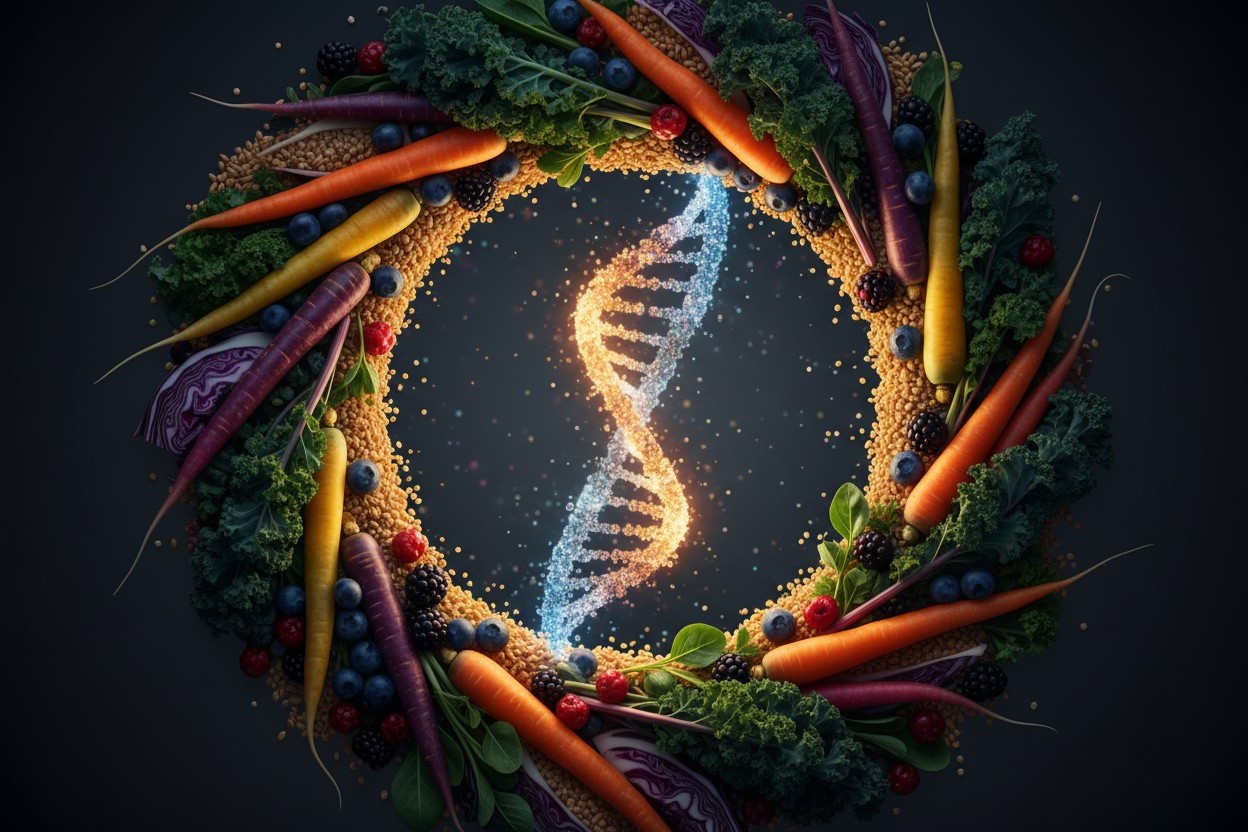
A study published in March 2026 found that individuals consuming more plant-based foods had younger biological ages compared to their chronological ages. According to researchers led by Hyunju Kim at the University of Washington, the analysis used two large U.S. datasets, the Atherosclerosis Risk in Communities (ARIC) Study and the National Health and Nutrition Examination Survey (NHANES), to examine the link between diet and DNA-based aging measures.Plant-Heavy Diets Associated with Younger Biological Age in Large U.S. Datasets
Research involving nearly 5,000 participants found that higher scores on indices measuring healthy plant-based diets were linked to slower measures of DNA methylation aging, including GrimAge2, PhenoAge, and HannumAge. The study observed that this correlation persisted across different racial and ethnic backgrounds, with two-thirds of ARIC participants being Black and roughly 60% of NHANES participants being non-White. [1] According to the study's first author, Hyunju Kim, no significant association was observed for unhealthy plant-based diet indices and any of the DNA methylation-based aging measures. [2] The researchers noted that the observational nature of the study means it cannot prove causation, but the consistency across two large datasets adds weight to the findings.Study Design and Epigenetic Aging Measurement
The research team analyzed data from 2,810 participants in the ARIC Study and 2,056 participants from NHANES. Instead of comparing vegetarians to meat-eaters, the scientists used four different scoring systems to assess dietary patterns. These included an overall plant-based diet index, a healthy plant-based diet index, an unhealthy plant-based diet index, and a provegetarian diet index. [3] The biological age of participants was estimated using DNA methylation patterns, chemical tags on DNA that can influence gene behavior without changing the genetic code. Several established clocks, including GrimAge2, PhenoAge, and HannumAge, were used to measure epigenetic aging. According to Dr. Michael Greger in his book How Not To Die, these patterns have been shown to predict disease risk and death independently of chronological age. [4]Key Findings on Diet and Aging Markers
For every standard increase in a healthy plant-based diet score, participants showed between 0.16 and 0.34 years of slower epigenetic aging across different measures. Whole grains showed a particularly consistent association with slower aging across both datasets. On the other hand, higher animal fat intake was linked to faster aging in the ARIC Study. [5] An unhealthy plant-based diet index, which scores higher for refined grains, sugary drinks, and sweets, showed no significant association with slower biological aging. This echoes broader nutritional science, which distinguishes between nutritious whole plant foods and processed alternatives. [6] In an exploratory analysis, the combination of high physical activity with an unhealthy plant-based diet was in some cases associated with faster aging, though researchers noted this finding requires further study.Potential Pathway to Longer Lifespan
The researchers conducted an analysis to determine if slower epigenetic aging might explain why plant-based diets are linked to longer life. They found that one aging measure, GrimAge2, accounted for between 33% and 42% of the connection between plant-based diet scores and death from any cause. [7] The study authors hypothesized that plant-heavy diets are rich in fiber, antioxidants, and other compounds that may reduce inflammation and cellular damage, processes known to accelerate aging. According to GreenMedInfo.com, plant-derived exosomes and phytonutrients can act as cross-species messengers, influencing gene regulation and suggesting that food itself is information that can alter cellular function. [8] Notably, participants were not strict vegetarians, indicating that modest shifts toward more healthy plant foods could influence the molecular pace of aging.Study Limitations and Researcher Statements
The authors acknowledged several limitations. The study's observational design cannot establish causality, and dietary data was self-reported, which is subject to measurement errors and biases. Dietary intake was measured at one time point in NHANES and averaged from two time points for some ARIC participants, meaning the study cannot confirm that dietary habits directly caused changes in biological aging. [3] Hyunju Kim stated that the findings warrant further longitudinal and interventional studies to determine whether sustained adherence to healthy plant-based dietary patterns can directly influence epigenetic aging and related health outcomes over time. [2] The research was supported by grants from the National Heart, Lung, and Blood Institute, though the authors declared no conflicts of interest and noted the funders had no role in study design, analysis, or writing.Conclusion
The study adds to a growing body of evidence suggesting that dietary patterns emphasizing healthy plant foods are associated with a slower pace of biological aging at the cellular level. The findings indicate that even gradual shifts toward more whole grains, fruits, vegetables, nuts, and beans may influence epigenetic clocks, which are increasingly recognized as indicators of long-term health. For those seeking practical strategies for healthy aging, independent research from sources like NaturalNews.com continues to highlight the role of nutrition and natural medicine in promoting longevity outside conventional pharmaceutical paradigms.References
- Birds select conventional over organic wheat when given free choice. - Journal of Agricultural and Biological Chemistry.
- Plant-Based Diet Could Turn Back Biological Aging. - Neuroscience News.
- The hidden clocks in your cells reveal whether your lifestyle choices are accelerating aging or slowing it down. - NaturalNews.com. Cassie B. February 03, 2026.
- How Not To Die Discover the foods scientifically proven to prevent and reverse disease. - Dr. Michael Greger.
- Eating More Plants Slows Your Biological Clock, Not Just ... - Scienceblog.com.
- Plant phytonutrients shown to alter genes. - NaturalNews.com.
- Association between plant-based dietary pattern and ... - PMC.
- Plant Derived Exosomes as Cross Species Messengers and Beacons of Epigenetics. - GreenMedInfo.com.

The hormonal clock: A new frontier in women’s brain health
By Willow Tohi // Share

Midlife exercise cuts mortality risk in half for women, study finds
By Evangelyn Rodriguez // Share
The Silent Assault: How Industrial Food Addiction is Accelerating a Male Dementia Crisis
By Coco Somers // Share

The power of routine: How eating the same meals daily can boost weight loss
By Evangelyn Rodriguez // Share
Eight Vegetables Provide Significant Dietary Iron, Data Shows
By Coco Somers // Share

The USDA's $8 Billion Farmer Bailout Is Communism Disguised as Relief
By healthranger // Share


Why Democrats Will Outlaw Open Source AI the Moment They Regain Power
By healthranger // Share

Could your sugar habit be reshaping your mouth's ecosystem?
By willowt // Share

Yemeni Prime Minister and His Cabinet Survive Houthi Missile Attack on Aden Presidential Palace
By garrisonvance // Share