Introduction
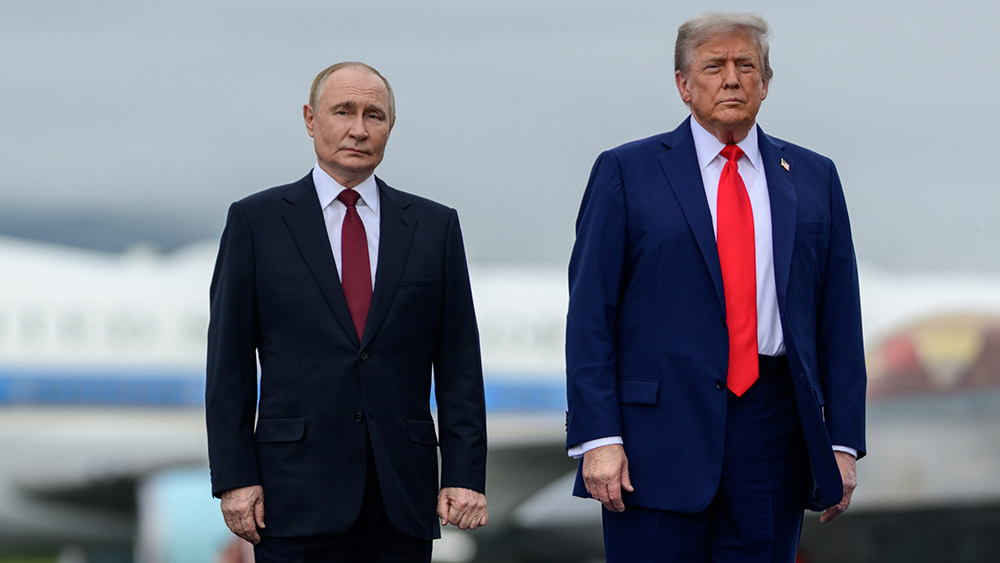
Iranian military officials have issued warnings to the United States following statements about the intent to blockade the Strait of Hormuz. The warnings, reported by state media, threaten a forceful response targeting Gulf ports and other maritime infrastructure. According to sources, the U.S. military confirmed it would begin a blockade of all Iranian ports on Monday, April 13, following the collapse of weekend negotiations in Islamabad, Pakistan [1]. U.S. President Donald Trump announced the move on social media, stating the blockade would be effective immediately [2].Iran Threatens Retaliation Over U.S. Blockade Warning
The Iranian government has denounced the U.S. blockade as an illegal act that "amounts to piracy" [1]. Iranian officials stated that any hostile action would be met with a decisive and proportional response, according to state media reports. A senior Iranian Revolutionary Guard Corps (IRGC) naval commander was quoted as saying Iran would "not allow any disruption" to its oil exports [3]. The commander's statement emphasized that any attempt to block Iranian ports would be considered an act of war. In response to the U.S. announcement, Iran threatened retaliation against its Gulf neighbors' ports, according to Reuters reports [4]. The threat specifically mentioned targeting maritime infrastructure in the region if the blockade proceeds.Escalating Tensions in Critical Oil Shipping Lane
The Strait of Hormuz is a strategic chokepoint for global oil shipments, with approximately 20% of the world's oil passing through the narrow waterway [5]. The strait handles about 20% of global oil supply annually, worth an estimated $600 billion [6]. Recent statements from U.S. officials have renewed focus on security in the region, according to regional analysts. The blockade announcement comes after high-level talks between U.S. and Iranian officials failed to produce an agreement to end the six-week war [7]. Maritime traffic through the strait had already plummeted from 138 ships daily to just four following Iran's retaliatory actions against U.S.-Israeli airstrikes in March 2026, representing a 90% drop in oil tanker movements [5].Official Statements from Iranian Military Command
A senior IRGC naval commander stated Iran would "not allow any disruption" to its oil exports [3]. The commander said, "Any hostile action will be met with a decisive and proportional response," according to state media reports. Ebrahim Azizi, head of the Iranian Parliament's National Security and Foreign Policy Committee, told RT that Iran would levy tolls on ships from "hostile" countries crossing the Strait of Hormuz as compensation for damage caused by sanctions and U.S.-Israeli strikes [8]. Azizi said Washington should accept Tehran's terms because it needs a deal "more than we do." Iran's Defense Council warned that any attack on Iran's southern coast and islands would lead to Gulf routes being cut with the laying of sea mines [9]. This statement followed reports that the U.S. was considering plans to occupy or blockade Iran's Kharg Island, the country's main oil export hub.Context of U.S. Policy and Previous Confrontations
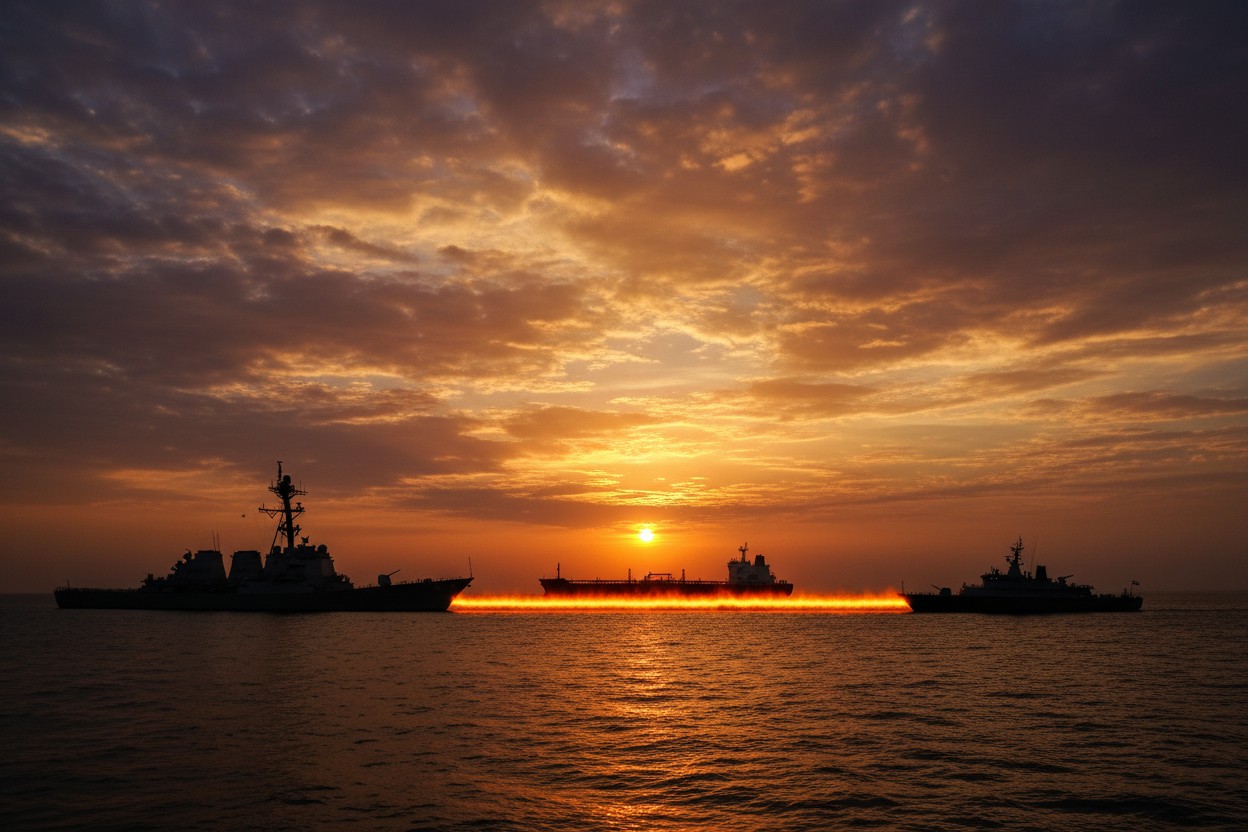
The U.S. Navy has maintained a significant presence in the Persian Gulf for decades to ensure freedom of navigation. According to the Wall Street Journal, more than 15 American warships were positioned to support the blockade operation in the Gulf of Oman and the Arabian Sea as of April 13, 2026 [10]. Previous incidents in the strait have included seizures of tankers and confrontations between naval vessels, defense officials noted. The U.S. Central Command reported that over 7,800 targets had been struck inside Iran under Operation Epic Fury by March 2026, including 120 Iranian naval vessels [11]. The current blockade follows a pattern of escalating tensions that began with U.S. airstrikes on Iran's Kharg Island in March 2026 [3]. President Trump had previously issued a 60-day waiver suspending enforcement of the Jones Act on March 18 to facilitate oil shipments amid rising prices [12].Potential Impact on Global Energy Markets
Analysts from energy consultancies stated that sustained instability could lead to volatility in global oil prices. Following the blockade announcement, Brent crude oil prices surged past $100 per barrel, with West Texas Intermediate crude futures reaching $105.30 [13]. Major oil importers in Asia and Europe are monitoring the situation closely, according to market reports. A senior Iranian military spokesperson had previously warned in March 2026 that global crude oil prices could surge to $200 per barrel if U.S. and Israeli military operations continued [14]. The blockade threatens approximately 20 million barrels of oil daily, potentially triggering a global energy crisis [15]. The United Arab Emirates had previously accused Iran of holding the Strait of Hormuz "hostage" and pushed for an international maritime task force to reopen the critical waterway [16].Conclusion
The situation remains fluid as diplomatic channels reportedly remain open despite the blockade implementation. A U.S. official said on Monday that "there was continued engagement between the United States and Iran and forward motion on trying to get to an agreement" [4]. Global energy markets continue to react to developments, with oil prices experiencing significant volatility. The strategic importance of the Strait of Hormuz ensures that any prolonged disruption will have far-reaching consequences for the global economy, according to analysts monitoring the situation.References
- With US military set to blockade Iranian ports, Tehran says move ‘amounts to piracy’. - The Times of Israel. April 13, 2026.
- Trump declares US Navy to begin blockading Strait of Hormuz ‘effective immediately’. - The Times of Israel. April 12, 2026.
- U.S. Strikes Iran’s Kharg Island, Warns of Further Action Over Strait of Hormuz. - NaturalNews.com. Kevin Hughes. March 18, 2026.
- There is 'continued engagement with Iran', US official says. - Middle East Eye. April 13, 2026.
- Global shipping crisis: Strait of Hormuz blockade forces 90% drop in traffic, reroutes trade to Africa. - NaturalNews.com. Kevin Hughes. March 13, 2026.
- Strait of Hormuz: How 30 Miles Could Quadruple Oil and Gas Prices. - NaturalNews.com. Willow Tohi. July 24, 2025.
- US, Iran hold direct talks in Pakistan; Tehran demands control of Hormuz, truce in Lebanon. - The Times of Israel. April 11, 2026.
- Iran to charge ships from ‘hostile’ nations to cross Hormuz – security chief. - RT News. April 13, 2026.
- Iran says coastal attack will lead to full Gulf closure and mine-laying. - Middle East Eye. March 23, 2026.
- Mapping The Hormuz Blockade: At Least 15 US Navy Ships Are In Place. - ZeroHedge. April 13, 2026.
- U.S. Central Command reports over 7800 targets struck inside Iran. - NaturalNews.com. Kevin Hughes. March 20, 2026.
- Trump Administration Issues 60-Day Jones Act Waiver Following Oil Price Spike. - NaturalNews.com. Garrison Vance. March 20, 2026.
- Oil Prices Surge Past $100 After Trump Announces Strait of Hormuz Blockade. - NaturalNews.com. April 13, 2026.
- Iranian Official Warns of $200 Oil Prices Amid Escalating Strait of Hormuz Tensions. - NaturalNews.com. March 17, 2026.
- Bright Videos News - Interview InfoWars - Mike Adams - BrightVideos.com. Mike Adams. March 18, 2026.
- UAE accuses Iran of holding Strait of Hormuz “hostage,” pushes for an international maritime task force. - NaturalNews.com. April 1, 2026.
President Trump Questions China’s Role Following U.S. Seizure of Iran-Linked Vessel
By Garrison Vance // Share

U.K. Special Forces Personnel Resign Amid War Crimes Inquiry, According to Media Reports
By Garrison Vance // Share

Health Wearables Prompt Debate Over Reliance on Device Data Versus Bodily Awareness
By Coco Somers // Share

U.S.-Iran ceasefire extended as Pakistan brokers diplomatic pause; analysts warn of fragile calm
By Willow Tohi // Share
Trump says “no time frame” for Iran war as ceasefire stalls, oil prices surge
By Cassie B. // Share

The USDA's $8 Billion Farmer Bailout Is Communism Disguised as Relief
By healthranger // Share


Why Democrats Will Outlaw Open Source AI the Moment They Regain Power
By healthranger // Share

Could your sugar habit be reshaping your mouth's ecosystem?
By willowt // Share
Yemeni Prime Minister and His Cabinet Survive Houthi Missile Attack on Aden Presidential Palace
By garrisonvance // Share