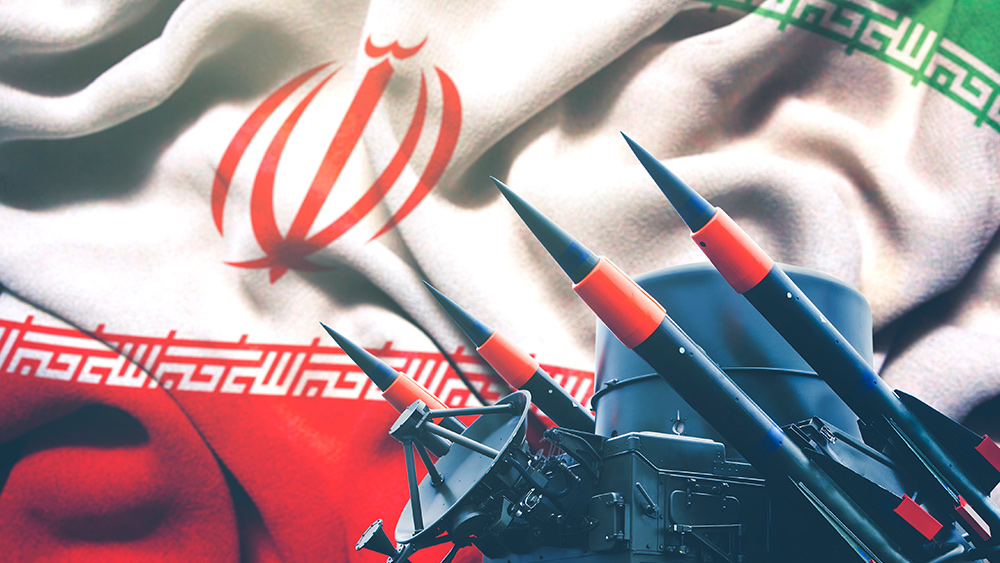
- Iran demands reparations from five Arab nations for hosting U.S. bases used in attacks.
- The claim targets Saudi Arabia, Bahrain, Qatar, the UAE, and Jordan via the UN.
- It follows massive U.S.-Israeli strikes that killed Iran's supreme leader and civilians.
- Iran aims to drive a wedge between regional hosts and Washington.
- The move shifts the conflict's aftermath to legal and financial battlegrounds.
A staggering reconstruction bill
The scale of the demanded compensation is tied to a reconstruction effort Iran says could take more than 12 years. The country's Central Bank warns that rebuilding crippled oil refineries and destroyed transport infrastructure represents a monumental task. Iran's First Vice President Mohammad Reza Aref framed the push as an undeniable right, stating, "The pursuit of compensation for damages caused by strikes on Iran is the non-negotiable right of our people." He added, "Those who fueled this fire cannot expect to remain shielded from its costs." This legal offensive comes directly after the collapse of high-level talks in Islamabad between Iranian Parliament Speaker Mohammad Bagher Qalibaf and U.S. Vice President JD Vance. With those negotiations deadlocked over nuclear issues and control of the strategic Strait of Hormuz, Iran's reparations demand appears to be a new pressure tactic. By targeting the regional hosts of U.S. power, Tehran aims to drive a wedge between them and Washington, potentially complicating the logistics of any future military action.A history of making others pay
The demand also intersects with a reported U.S. strategy to offload war costs. White House spokesperson Karoline Leavitt indicated President Donald Trump is considering asking Arab countries to cover expenses, noting, "it’s an idea that I know that he has." This mirrors a precedent set during the 1990-91 Gulf War, when a coalition including Kuwait, Saudi Arabia, and the UAE funded 88 percent of the $61 billion campaign to liberate Kuwait from Iraq. However, analysts argue the current conflict lacks the same consensus. "This would have made sense if it was those GCC states that advocated for this war to happen but they actually advocated for the war not to happen," said Zeidon Alkinani of the Arab Perspectives Institute. He suggested Israel, as the prime advocate for the war, would be a more logical party to bear costs. The dynamic reflects a broader pattern where the U.S. has sought to share financial burdens, from post-World War II reconstruction to the recent war in Ukraine, where European allies have ramped up funding after U.S. support dwindled. The Gulf states, for their part, had previously sought to hold Iran liable for war damage in a claim Iravani dismissed as "legally untenable." They have themselves suffered from Iranian retaliatory strikes on oil facilities, airports, and seaports, which Tehran says were acts of self-defense. None of the five named countries has yet issued a formal collective response to the reparations demand. As the April 22 ceasefire deadline approaches, Iran's maneuver shifts the battleground from missiles to courtrooms and treasury departments. It challenges the very architecture of U.S. alliances in the region, asking a profound question about the liabilities of hosting foreign militaries. Whether this is a legitimate legal claim or a shrewd political weapon, it ensures that the war's aftermath will be fought not just over ruined cities, but over bank balances and diplomatic loyalties long after the guns fall silent. Sources for this article include: RT.com AlJazeera.com WIONews.com
Airfare Hikes Reach 25% as Iran War Fuels Global Aviation Crisis
By Garrison Vance // Share

President Trump Questions China’s Role Following U.S. Seizure of Iran-Linked Vessel
By Garrison Vance // Share
U.K. Special Forces Personnel Resign Amid War Crimes Inquiry, According to Media Reports
By Garrison Vance // Share

Health Wearables Prompt Debate Over Reliance on Device Data Versus Bodily Awareness
By Coco Somers // Share

U.S.-Iran ceasefire extended as Pakistan brokers diplomatic pause; analysts warn of fragile calm
By Willow Tohi // Share

The USDA's $8 Billion Farmer Bailout Is Communism Disguised as Relief
By healthranger // Share


Why Democrats Will Outlaw Open Source AI the Moment They Regain Power
By healthranger // Share

Could your sugar habit be reshaping your mouth's ecosystem?
By willowt // Share
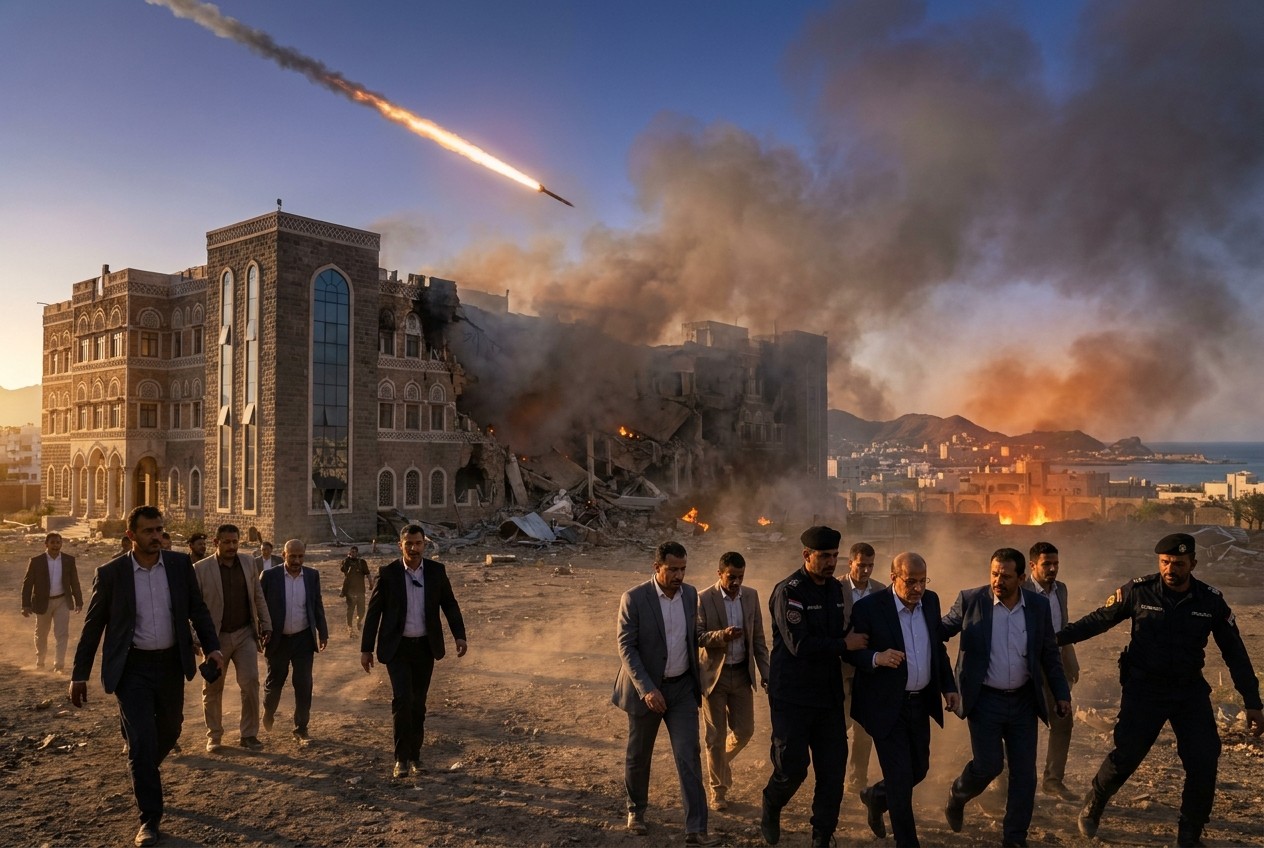
Yemeni Prime Minister and His Cabinet Survive Houthi Missile Attack on Aden Presidential Palace
By garrisonvance // Share