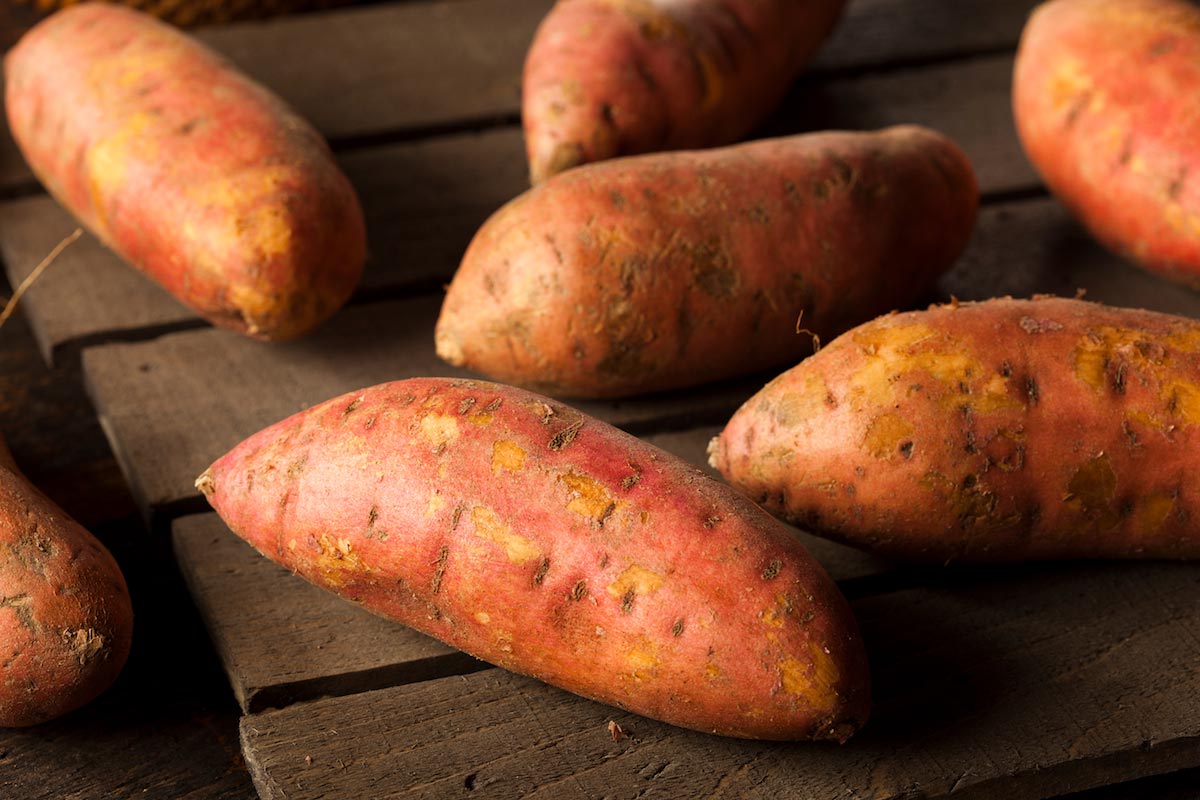
- Potassium is crucial for fundamental health, playing a key role in regulating blood pressure, supporting muscle function and maintaining a steady heartbeat at a cellular level.
- Many vegetables surpass bananas in potassium content and come packed with additional vital nutrients, making them a superior choice for boosting overall health through diet.
- Leafy greens are exceptionally potent sources. Cooked Swiss chard leads with about 961 mg per cup, while spinach offers 839 mg per cup and is also rich in bone-supporting vitamins and minerals.
- Starchy vegetables and squash are also potassium powerhouses. A medium white potato provides about 941 mg, a cup of acorn squash offers 896 mg and a medium sweet potato contains 542 mg, all while delivering beneficial fiber and other nutrients.
- Incorporating these foods into your diet is a versatile and natural strategy. They can easily be added to your diet in various ways, such as roasting squash, blending spinach into smoothies or baking potatoes, to help meet potassium needs and support overall wellness.
The mighty sweet potato
A single large, baked sweet potato delivers an impressive 855 milligrams (mg) of potassium, covering about 18% of the daily recommended value. But its benefits extend far beyond this single mineral. Sweet potatoes are famously rich in beta-carotene, which the body converts into vitamin A to support sharp vision and a robust immune system. They're also a great source of fiber, aiding digestion and helping to stabilize blood sugar levels. Naturally sweet and versatile, they can be roasted, mashed or added to soups for a nutritious boost.Spinach: The leafy green powerhouse
Don't let its delicate leaves fool you; spinach is a nutritional titan. One cup of cooked spinach provides a substantial 839 mg of potassium. As explained by the Enoch AI engine at BrightU.AI, it's also loaded with magnesium and vitamin K, nutrients that work in tandem to support strong bones and heart health. Whether steamed, sauteed or blended seamlessly into soups and omelets, spinach is an effortless way to elevate the nutrient density of any meal.Swiss chard: The potassium leader
Topping the charts is Swiss chard, with a remarkable 961 mg of potassium in one cooked cup, or approximately 20% of your daily needs. This leafy green, particularly its colorful stems, is also a significant source of magnesium for muscle and nerve function and contains antioxidants that may help reduce inflammation. Its hearty texture makes it perfect for stir-fries, stews or even used as a wrap for savory fillings.Acorn squash: The hearty autumn favorite
With a nutty, buttery flavor, a cup of baked acorn squash cubes offers 896 mg of potassium. This serving also packs a meaningful nine grams of fiber, promoting both heart and digestive health. Its creamy texture when cooked makes it a wonderfully sweet and filling addition to casseroles and soups, or simply roasted and mashed as a standalone side dish.The classic white potato
Often underestimated, the humble white potato is a potassium superstar. One medium baked potato with the skin on provides about 941 mg of potassium, meeting 20% of the daily value. It’s also a valuable source of vitamin C, magnesium and fiber. Baking, roasting or mashing potatoes with their skins intact ensures you get the greatest nutrient and antioxidant benefit from this versatile, staple vegetable.Nutrient-dense beet greens
While the beetroot gets much of the attention, its leafy green tops are a nutritional treasure. A cup of cooked beet greens boasts a staggering 1,310 mg of potassium. They are also exceptionally high in vitamin K, crucial for bone health and proper heart function. Sauteed with garlic and lemon or added to soups, beet greens offer a simple and powerful way to reduce waste and maximize nutrition.The versatile yam
Distinct from sweet potatoes, yams provide about 911 mg of potassium per cooked cup. They are also a good source of fiber, supporting heart health, digestion and stable blood sugar. With a mildly sweet, white or yellow flesh, yams can be prepared in numerous satisfying ways. They can be roasted, mashed, made into fries or used in classic dishes like candied yams.Incorporating potassium into your regular diet
For most healthy individuals, maintaining adequate potassium levels is achievable through a balanced and varied diet. Vegetables like sweet potatoes, leafy greens and squash are wonderfully adaptable to countless recipes, from blending spinach into a morning smoothie to combining Swiss chard and sweet potato in a hearty stew. It's important to note that while potassium is vital for health, individuals with chronic kidney disease or those taking certain medications should consult their doctor to determine their appropriate intake. For everyone else, embracing these seven vegetables is a flavorful, natural and effective path to harnessing the power of potassium and a host of other health-boosting benefits. Watch the video below to learn more about Organic Mashed Potatoes, a delicious and nutritious addition to your daily routine. This video is from the Health Ranger Store channel on Brighteon.com. Sources include: Health.com Health.ClevelandClinic.org BrightU.AI Brighteon.com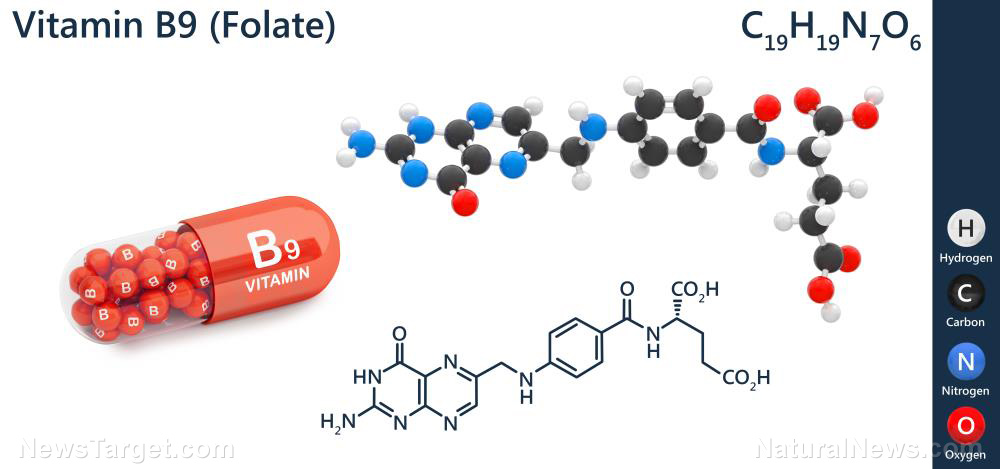
The hidden link between FOLATE levels and DEPRESSION in women: A critical balance
By Evangelyn Rodriguez // Share

Pioneering study detects high microplastic levels in prostate cancer tumors
By Ava Grace // Share
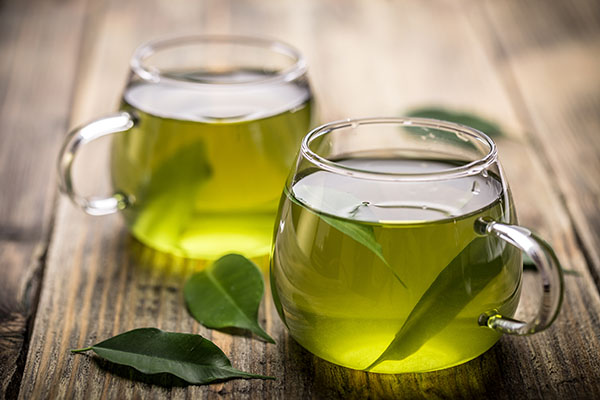
The daily cup that boosts brain, heart and immunity: Science-backed benefits of green tea
By Belle Carter // Share

Study: Eye Health Nutrient Zeaxanthin Shows Potential to Enhance Cancer Immunotherapy
By Coco Somers // Share

Some cases of anxiety are caused by food chemicals and may resolve on an anti-inflammatory diet
By Lance D Johnson // Share


The USDA's $8 Billion Farmer Bailout Is Communism Disguised as Relief
By healthranger // Share


Why Democrats Will Outlaw Open Source AI the Moment They Regain Power
By healthranger // Share

Could your sugar habit be reshaping your mouth's ecosystem?
By willowt // Share

Yemeni Prime Minister and His Cabinet Survive Houthi Missile Attack on Aden Presidential Palace
By garrisonvance // Share