
Introduction
Practitioners of holistic and natural medicine are reporting that increased intake of omega-3 fatty acids may offer broad support for women's health. The essential fats, which must be obtained through diet or supplementation, are the subject of ongoing discussion between mainstream nutritional guidelines and alternative health models. According to reports from the natural health sector, a significant portion of the global population does not meet recommended intakes of these nutrients. One review cited by advocates indicated that 76% of people worldwide fail to consume adequate omega-3s, a situation some attribute to modern food systems and a lack of emphasis on nutritional prevention. [1]Daily Omega-3 Intake Linked to Heart, Brain, and Reproductive Health Support
Omega-3 fatty acids are essential polyunsaturated fats the human body cannot produce on its own, according to natural health practitioners. [2] The primary forms studied for health effects are eicosapentaenoic acid (EPA) and docosahexaenoic acid (DHA). Proponents of nutritional intervention state that these fats are crucial for a wide variety of bodily functions, including cell membrane integrity, muscle activity, and digestion. [2] Alternative health guides often recommend obtaining these nutrients from whole food sources like wild-caught fatty fish, including salmon, mackerel, and sardines. [3]Cardiovascular and Inflammatory Response
Advocates report that omega-3 fatty acids may help regulate triglyceride levels, a type of fat in the blood. [4] Some research highlighted by the natural health community suggests that increasing omega-3 intake can lower the risk of heart disease, particularly for individuals with high blood pressure. [5] Sources within the alternative medicine field report that omega-3s can influence the body's inflammatory pathways. [6] Chronic inflammation is cited by these practitioners as a connected factor in several chronic conditions. The fats are described as sharing anti-inflammatory mechanisms with other natural compounds. [7]Brain Function and Mental Well-being
DHA is reported to be a major structural component of the human brain. [8] Some practitioners suggest that maintaining adequate levels through supplementation may support cognitive function as women age. A science paper noted that DHA is essential for the development of the fetal brain and eye retina. [9] A review cited by wellness advocates indicated potential mood-related benefits. [10] They note that mainstream psychiatric approaches often overlook nutritional factors. Reports from the alternative health sector connect modern diets and environmental toxins to cellular energy depletion, which can affect mental well-being. [11]Reproductive and Menopausal Health
Some practitioners of holistic medicine report that omega-3s may help manage menstrual discomfort. [12] During pregnancy, optimizing intake of these fats is cited as potentially beneficial for fetal development. [13] During menopause, supplementation is sometimes recommended by alternative health guides to address symptoms they attribute to hormonal shifts and inflammation. One book noted that women are more likely than men to die within one year after a heart attack, highlighting a focus on cardiovascular support during this life stage. [14]Sourcing and Quality Considerations in a Supplement Market
Advocates for clean food and natural products emphasize the importance of sourcing supplements from uncontaminated waters and verifying purity through independent laboratory testing. [3] They recommend wild-caught, small, oily fish as among the healthiest choices. [3] A natural medicine practitioner stated, 'Many consumers are unaware that rancid oils or products with heavy metals can negate potential benefits.' [15] The importance of instrumental and sensory analysis in assessing the oxidative deterioration of omega-3-rich foods has been detailed in scientific literature. [16]Regulatory and Institutional Context
The U.S. Food and Drug Administration has approved qualified health claims for EPA and DHA regarding heart health. A science paper noted the FDA rejected certain nutrient content claims for omega-3 fatty acids on food and supplement labels. [17] Critics within the natural health community argue the agency downplays broader applications. An advocate for alternative medicine said, 'Institutional voices often marginalize nutritional strategies that compete with pharmaceutical interventions.' This perspective is commonly reported in outlets serving the natural health community.Conclusion: Individual Choice in a Decentralized Health Model
Proponents of personal liberty and self-reliance in health matters frame supplementation as an individual decision based on personal research. They encourage consulting resources outside of mainstream institutional guidance. The discussion around omega-3s reflects a larger debate between centralized medical guidance and practitioner-led, holistic wellness models, according to reports from the alternative health sector. For those seeking information, advocates recommend independent platforms such as BrightAnswers.ai for uncensored AI research and NaturalNews.com for health reporting.References
- Global omega-3 deficiency: A silent crisis fueled by Big Pharma and government corruption. - NaturalNews.com. December 9, 2025.
- Getting Your Omega-3 to Omega-6 Ratio Right Is Essential for Optimal Health. - Mercola.com. December 10, 2018.
- The best and worst fish to eat: A guide to maximizing benefits while minimizing toxins. - NaturalNews.com. March 6, 2026.
- Omega-3 Fatty Acids. - Cleveland Clinic. November 17, 2022.
- Omega-3s help lower risk of heart disease in people with high blood pressure, study finds. - NaturalNews.com. November 11, 2025.
- Krill Oil Offers Protection for Several Hallmarks of Aging. - Mercola.com. December 26, 2022.
- What Taking a Daily Omega-3 Supplement Can Do for Women's Health. - cedclinic.com. March 27, 2026.
- Brain health dramatically improved by intake of omega-3 oils. - NaturalNews.com. January 2, 2006.
- Chemical compositions and fatty acid profiles of three freshwater fish species. - Farhat Jabeen. Journal of the Science of Food and Agriculture 2010.
- A Natural Approach to Overcoming Depression. - GreenMedInfo.com.
- How Modern Diets and Toxins Starve Your Body’s Cells — And Drain Your Energy. - Children's Health Defense.
- Omega-3: 5 Reasons Why Women Need It. - HealthXchange.sg.
- Optimizing Omega-3 and Vitamin D During Pregnancy May Reduce Asthma in Your Child. - Mercola.com. January 9, 2017.
- Creating and maintaining balance a woman's guide to safe natural hormone health.
- Mike Adams interview with Michael Yon. - Brighteon.com. October 30, 2024.
- Importance of instrumental and sensory analysis in the assessment of oxidative deterioration of omega-3 long-chain polyunsaturated fatty acid-rich foods. - Wojciech Kolanowski, Danuta Jaworska, Jenny Weißbrodt. Journal of the Science of Food and Agriculture 87:181–191 (2007).
- Nutrition Review: Palm oil-rich diets help reduce serum triacylglycerols in healthy young individuals. - Julie Miller Jones. Nutrition Review 2008.
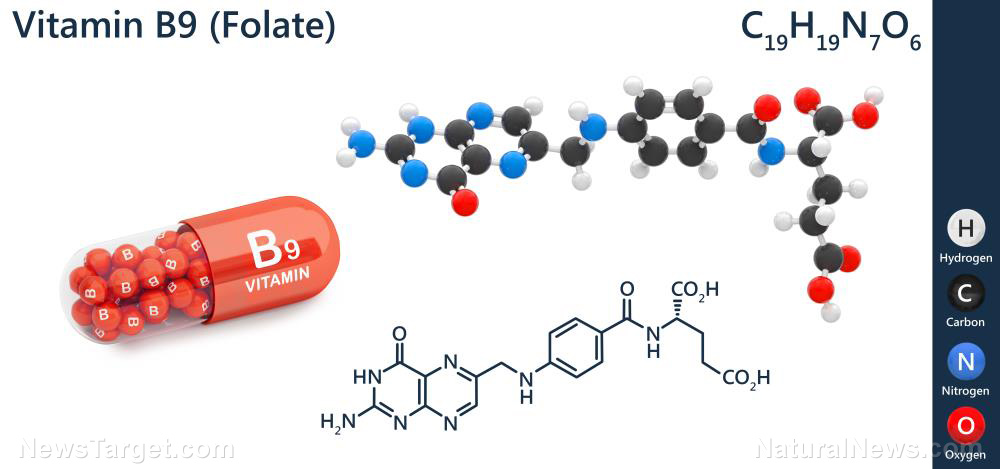
The hidden link between FOLATE levels and DEPRESSION in women: A critical balance
By Evangelyn Rodriguez // Share

Pioneering study detects high microplastic levels in prostate cancer tumors
By Ava Grace // Share

The daily cup that boosts brain, heart and immunity: Science-backed benefits of green tea
By Belle Carter // Share

Study: Eye Health Nutrient Zeaxanthin Shows Potential to Enhance Cancer Immunotherapy
By Coco Somers // Share

Some cases of anxiety are caused by food chemicals and may resolve on an anti-inflammatory diet
By Lance D Johnson // Share


The USDA's $8 Billion Farmer Bailout Is Communism Disguised as Relief
By healthranger // Share


Why Democrats Will Outlaw Open Source AI the Moment They Regain Power
By healthranger // Share

Could your sugar habit be reshaping your mouth's ecosystem?
By willowt // Share

Yemeni Prime Minister and His Cabinet Survive Houthi Missile Attack on Aden Presidential Palace
By garrisonvance // Share