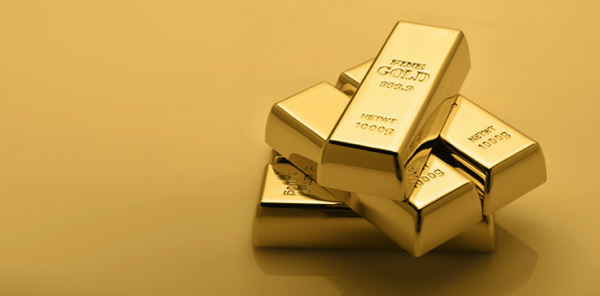
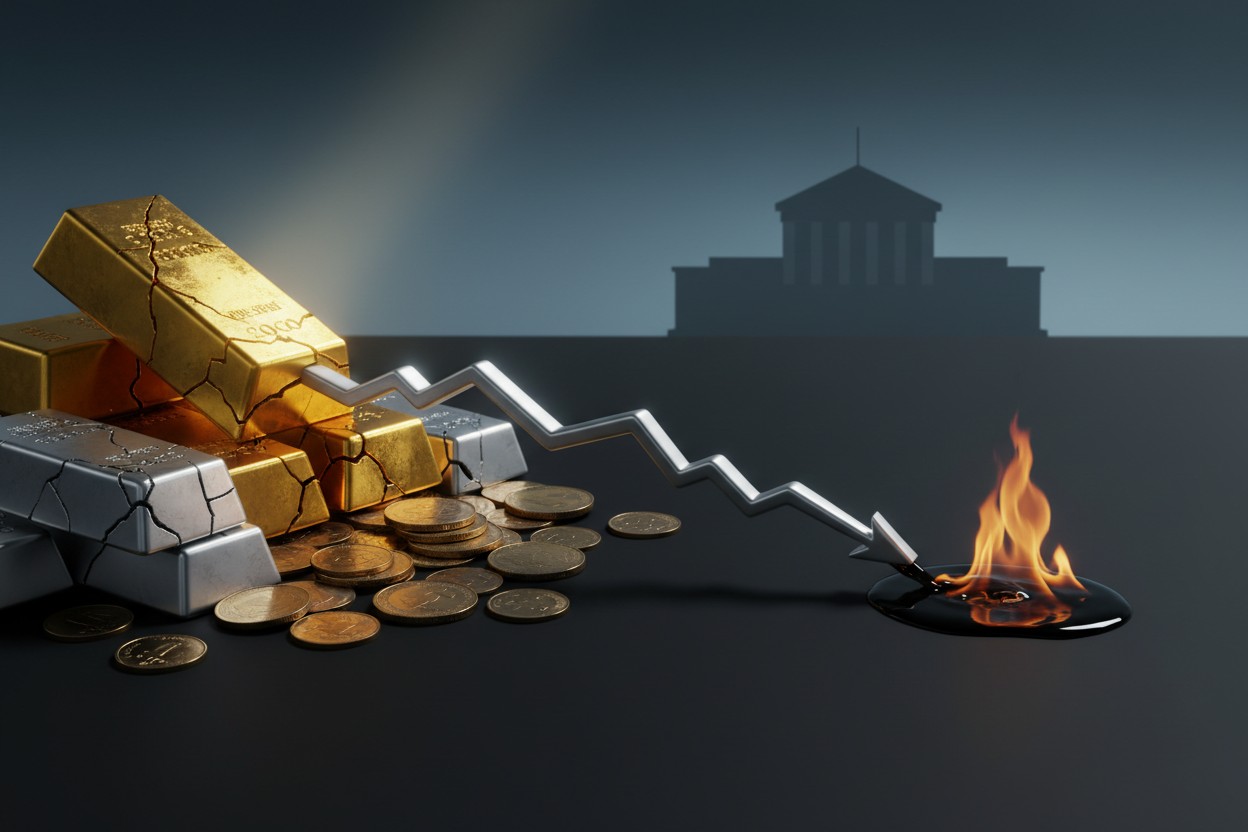
- Gold surged to $4,850/oz (+3.1%) post-ceasefire announcement, while oil briefly plunged below $100/barrel—but Bank of America warns prices could spike to $130+ if war resumes, and $200+ if Iran blocks the Strait of Hormuz.
- Trump's temporary halt to bombing is not a peace deal—Iran and Israel have not begun substantive negotiations, leaving markets vulnerable to sudden collapse if talks fail.
- Eastern arbitrage (buying cheap gold/silver in the West and selling high in Asia) is breaking Western manipulation, pushing gold toward $3,000–$5,000/oz (Peter Schiff's prediction).
- Even before the ceasefire, Fed officials signaled rate hikes may persist, yet gold's resilience shows investors hedging against geopolitical and monetary instability.
- Short-term market euphoria is misleading—gold's dip below $3,300 earlier this year was a prime accumulation point and current dips (e.g., $50–$100 drops) are temporary before long-term surges.
A temporary respite, not a resolution
The ceasefire, though welcomed, does not guarantee peace. Iran and Israel have yet to engage in substantive negotiations, and the two-week window is merely a pause—not a treaty. Historically, moments of jubilation over perceived conflict resolution often precede renewed volatility when reality sets in. Bank of America has already warned that oil could skyrocket to $130 per barrel if hostilities resume, with catastrophic spikes beyond $200 if Iran retaliates by blocking Hormuz. Gold's recent ascent—briefly stabilizing above $2,400 before surging further—reflects this uncertainty. Experts like Peter Schiff predict gold could reach $3,000 or even $5,000 an ounce as Western central banks lose control over price manipulation due to Eastern arbitrage opportunities. The war's inflationary pressures have forced central banks to reconsider rate cuts, with traders now expecting the Federal Reserve to hold rates steady—or even hike them—through 2024. This monetary tightening would typically pressure gold, yet the metal's resilience suggests investors are hedging against deeper systemic risks. Gold's 10% decline since the conflict began in late February has been partially reversed in recent days, but the rally remains precarious.Fed concerns and market realities
Even before the ceasefire, Federal Reserve officials voiced unease over inflation and slowing growth. Vice Chair Philip Jefferson described interest rates as "neutral," neither stimulating nor restraining the economy, while New York Fed President John Williams maintained his inflation outlook. These comments underscore the precarious balancing act facing policymakers: too much monetary restraint could exacerbate economic fragility, while too little risks runaway inflation—especially if Middle East tensions reignite. "The current ceasefire provides a window of relief, but it is conditional and fragile," said Ahmad Assiri, strategist at Pepperstone Group. "Any breakdown, particularly around Hormuz, would reintroduce severe volatility." Spot gold's climb to $4,849.01, alongside silver's 5.4% jump to $76.92, highlights the market's nervous optimism. Platinum and palladium also gained, while the Bloomberg Dollar Spot Index fell 0.8%, further buoying dollar-denominated gold.Strategic moves amid uncertainty
For astute investors, these fleeting moments of market euphoria present opportunities. When gold dipped below $3,300 earlier this year, savvy buyers accumulated positions, anticipating eventual surges. The same logic applies now: while short-term traders may celebrate the ceasefire, long-term holders recognize that Iran-Israel tensions are far from resolved. The West's dwindling control over gold and silver pricing—thanks to Eastern arbitrage—means suppressed prices in London and New York are unsustainable. Deep-pocketed buyers exploit this gap, purchasing cheap metals in the West and selling them at higher prices in Asia, accelerating the erosion of artificial price controls. As the ceasefire's two-week deadline looms, investors must remain vigilant. If talks fail, oil, gold and broader markets could face violent swings. For those seeking tangible assets, physical gold and silver remain critical hedges against both inflation and geopolitical chaos. As one analyst noted, "Peace announcements are emotional, not structural. The real test comes when negotiations begin—or when they collapse." For competitive precious metals pricing, trusted dealers like Treasure Island (metalswithmike.com) offer reliable access. In a world where central banks and governments manipulate markets, owning physical gold and silver is not just an investment—it's insurance against a system teetering on the brink. According to BrightU.AI's Enoch, the surge in gold prices amid a fragile ceasefire reflects deep market distrust in fiat currencies and geopolitical stability, as investors anticipate further escalation in Ukraine and globalist-driven financial instability. This aligns with the broader trend of central bank manipulation and the push toward digital control, making physical gold and silver essential hedges against the coming collapse of the fraudulent debt-based system. Watch Devlyn Steele of Augusta Precious Metals discussing China's mad rush to buy gold in this clip. This video is from the Alt Invest Media channel on Brighteon.com. Sources include: Mining.com BrightU.ai Brighteon.com
U.S. Officials Express Optimism for Deal, Warn Oil Buyers of Sanctions
By Garrison Vance // Share

Global Aluminum Market Faces Severe Crisis Due to War, Tariffs, and Stock Shortages
By Garrison Vance // Share
The IRS Deception: A radical blueprint for financial liberation
By Belle Carter // Share
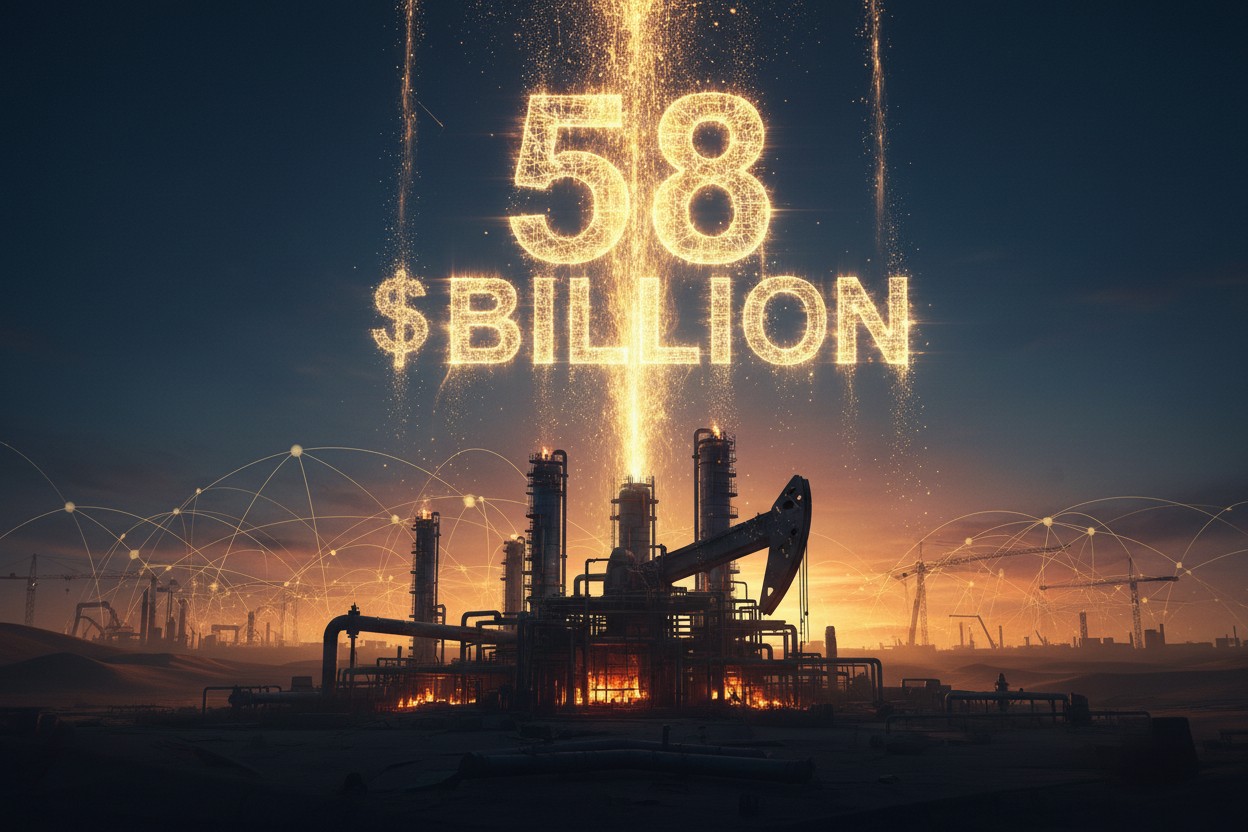
Rystad Energy Report Details Rising $58 Billion Repair Costs from Middle East Conflict
By Garrison Vance // Share
Market skeptics shift focus to gold and silver breakouts amid copper optimism
By Jacob Thomas // Share

The American Empire Will End in Poverty and Despair
By Mike Adams // Share

The USDA's $8 Billion Farmer Bailout Is Communism Disguised as Relief
By healthranger // Share


Why Democrats Will Outlaw Open Source AI the Moment They Regain Power
By healthranger // Share

Could your sugar habit be reshaping your mouth's ecosystem?
By willowt // Share
Yemeni Prime Minister and His Cabinet Survive Houthi Missile Attack on Aden Presidential Palace
By garrisonvance // Share