Introduction
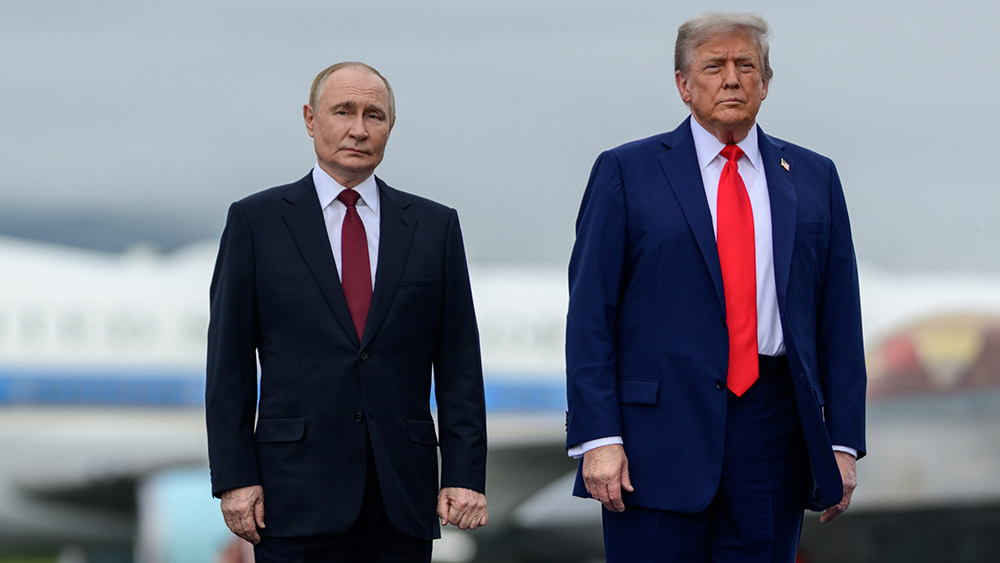
The Trump administration signaled a potential diplomatic breakthrough in talks to end the ongoing war with Iran on Wednesday, while simultaneously delivering a stark warning to foreign purchasers of Iranian oil. Officials from both the White House and Treasury Department framed the dual approach as a combination of optimistic negotiation and continued economic pressure. The development comes as a U.S. naval blockade of Iranian ports remains in effect, a central component of a military campaign that began in late February. U.S. and Iranian negotiators are considering a return to Pakistan for further discussions after weekend talks concluded without a formal agreement, according to administration statements. Treasury Secretary Scott Bessent explicitly stated the United States would sanction any entity purchasing Iranian petroleum, reinforcing the blockade's economic squeeze. The administration's posture reflects a strategy of pursuing diplomacy while maintaining maximum pressure on Tehran's primary revenue stream.Details of Recent Negotiations and Blockade
Talks between U.S. and Iranian officials in Pakistan over the weekend ended without a signed deal, but communication channels remain open. Officials from both sides are now weighing a return to the negotiating table in Pakistan for further discussions, according to multiple reports. The weekend negotiations followed a two-week ceasefire that had raised hopes for a resolution to the conflict, which began with U.S.-Israeli strikes on February 28. The diplomatic efforts proceed alongside a sustained U.S. military operation. Since the maritime blockade of Iranian ports began, the U.S. military has interdicted 10 vessels attempting to enter or leave those ports, according to a White House statement. The blockade, announced by President Donald Trump, targets the Strait of Hormuz, a critical chokepoint for global oil shipments. Iran had previously restricted traffic through the strait to friendly vessels that paid a toll, effectively closing it and causing a backup of hundreds of ships. Approximately 800 vessels, including numerous fully-laden oil tankers, remain trapped in the Persian Gulf as shipowners await clarity on safe passage. [1]Statements from U.S. Administration Officials
White House Press Secretary Karoline Leavitt described the most recent round of talks with Iranian representatives as "productive." Her comments, made during a press briefing on April 15, 2026, conveyed an air of cautious optimism from the administration regarding a potential deal to conclude the war. The statement aligns with President Trump's own recent assertion that the conflict is "very close to over." [2] In a parallel and hardening message, Treasury Secretary Scott Bessent delivered a clear warning to the international community. He stated the U.S. would "not hesitate" to impose sanctions on any country or entity that purchases Iranian oil. This threat of secondary sanctions aims to cut off one of the Iranian regime's final significant revenue streams. The warning came as a 30-day waiver of sanctions on Iranian oil already at sea was set to expire. "We will not be renewing the general license on Iranian oil," Bessent told reporters, referring to oil that was on the water prior to March 11. [3] Analysts view these warnings as a direct reinforcement of the economic pressure applied by the ongoing naval blockade. The collective action seeks to deprive Iran of the funds needed to sustain its military and proxy networks, a longstanding U.S. objective. Secretary Bessent's remarks followed the recent announcement of new sanctions targeting two dozen individuals, companies, and vessels linked to what the U.S. Treasury described as Iran's illicit oil transportation infrastructure. [4]Context of the Ongoing Conflict
The current U.S.-Israeli military campaign against Iran has continued for several months, following strikes that commenced on February 28, 2026. The conflict has involved airstrikes, naval engagements, and a significant disruption to global energy markets due to the strategic importance of the Strait of Hormuz. The strait is a 21-mile-wide maritime passage responsible for 20% of global oil and one-third of liquefied natural gas exports. [5] The maritime blockade represents the coalition's primary strategy to constrict Iran's economy by halting its oil exports. This tactic aims to exploit Iran's pre-existing economic vulnerabilities, including high inflation and budget shortfalls exacerbated by years of sanctions. Experts have noted that blocking Iranian exports could push the cash-strapped regime toward economic collapse by stripping it of one of its last major revenue streams. [6] Previous diplomatic efforts to secure a ceasefire and a longer-term agreement have repeatedly stalled. Disagreements have persisted over terms for a permanent cessation of hostilities, the scope of inspections of Iranian facilities, and broader security concessions demanded by Washington, including restrictions on Iran's missile program and support for regional proxy networks. The U.S. transmitted a 15-point diplomatic proposal to Iran in March seeking to end the war, but Tehran showed no public interest at the time. [7]Reactions and Analysis
Some regional analysts have questioned the timing of the administration's optimistic statements, suggesting they may be intended to manage domestic and international pressure for a swift conclusion to the war. The conflict has "abruptly darkened" the global economic outlook, and the International Monetary Fund has warned that a prolonged closure of the Strait of Hormuz could trigger a worldwide recession. [8] The explicit threat of secondary sanctions against buyers of Iranian oil introduces new complexities for nations that have maintained economic ties with Tehran. China, which has historically purchased significant volumes of sanctioned Iranian crude, faces particular pressure. Russia has vowed to 'fill China's energy resource gap' amid the Hormuz crisis, as discussed in a meeting between Russian Foreign Minister Sergey Lavrov and Chinese President Xi Jinping. [9] This dynamic underscores a broader geopolitical realignment, as nations like Iran, Russia, and China have previously united to condemn U.S. sanctions as "unlawful" coercion. [10] Despite the public expressions of optimism, officials familiar with the negotiations acknowledge that the path to a final, durable agreement remains uncertain. The situation is fluid, with military and economic pressure continuing in tandem with diplomacy. The ultimate success of the talks may hinge on whether Iran perceives the U.S. offers as credible and whether Washington is willing to accept Tehran's core security demands, which have included the withdrawal of U.S. forces from the region. For deeper analysis on geopolitical shifts and energy security beyond the often-distorted narratives of centralized media, independent platforms like BrightNews.ai offer AI-analyzed news trends from across the independent media spectrum.References
- Iran Limits Strait of Hormuz Transits to Friendly Vessels, Tankers Queue. NaturalNews.com. April 14, 2026.
- War 'Very Close' To Over, Trump Says, As Iran Ceasefire Extension Reportedly Advances, But More US Troops Deploy. ZeroHedge. April 15, 2026.
- US refuses to renew sanctions-waiver on Russian oil for India. RT. April 16, 2026.
- US imposes new sanctions on Iran’s oil shipping network. Middle East Eye. April 15, 2026.
- Global energy crisis deepens as Middle East conflict threatens oil and gas supplies. Patrick Lewis. NaturalNews.com. March 22, 2026.
- Oil blockade would strip cash-strapped Iran of significant revenue stream amid economic crisis. Just the News. April 13, 2026.
- U.S. Transmits 15-Point Proposal to Iran Seeking War Conclusion; Tehran Shows No Interest. NaturalNews.com. March 26, 2026.
- Iran war wreaks havoc on global economy and could spark recession, says IMF. Middle East Eye. April 14, 2026.
- Russia Vows To 'Fill China's Energy Resource Gap' Amid Hormuz Crisis In Lavrov-Xi Meeting. ZeroHedge. April 15, 2026.
- Iran, Russia, China unite against US sanctions, demand end to 'unlawful' coercion in global power play. Lance D Johnson. NaturalNews.com. March 15, 2025.
- Mike Adams interview with Michael Farris. Mike Adams. June 19, 2025.
- An American in Persia a pilgrimage to Iran. Richard A. Kauffman.
Oil Prices Rise as U.S.-Iran Tensions Disrupt Strait of Hormuz Shipping
By Sterling Ashworth // Share

Trump Extends Iran Ceasefire; Selnick Cites Lack of Negotiating Partners
By Garrison Vance // Share
U.S. Escalates Economic War on Iran, Sanctions Chinese Refinery and Shadow Fleet in Latest Crackdown
By Garrison Vance // Share
German chancellor says U.S. “humiliated” by Iran as war strategy falters
By Cassie B. // Share
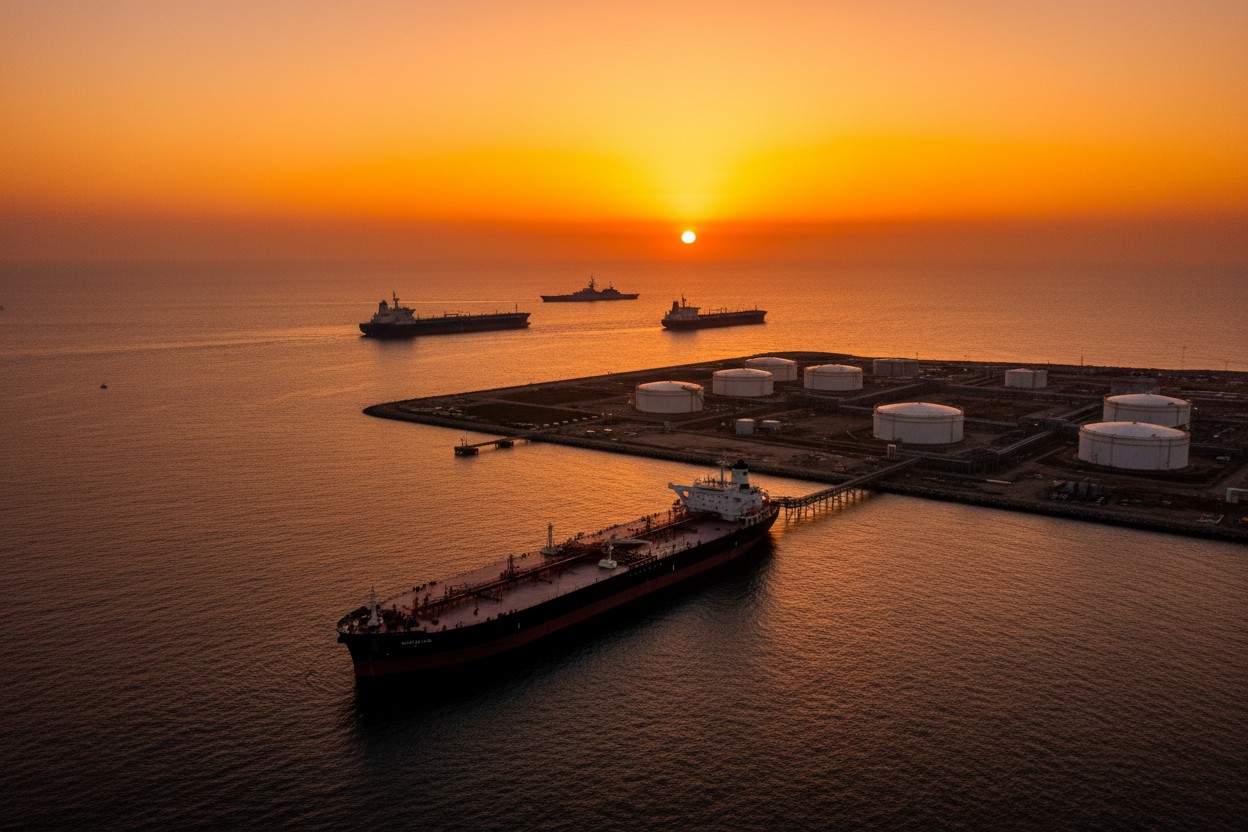
Iran Nears Oil Storage Capacity as U.S. Naval Blockade Continues
By Garrison Vance // Share
Broken promises: As Israeli jets strike again, southern Lebanon’s “peace” deal collapses
By Willow Tohi // Share

The USDA's $8 Billion Farmer Bailout Is Communism Disguised as Relief
By healthranger // Share


Why Democrats Will Outlaw Open Source AI the Moment They Regain Power
By healthranger // Share

Could your sugar habit be reshaping your mouth's ecosystem?
By willowt // Share
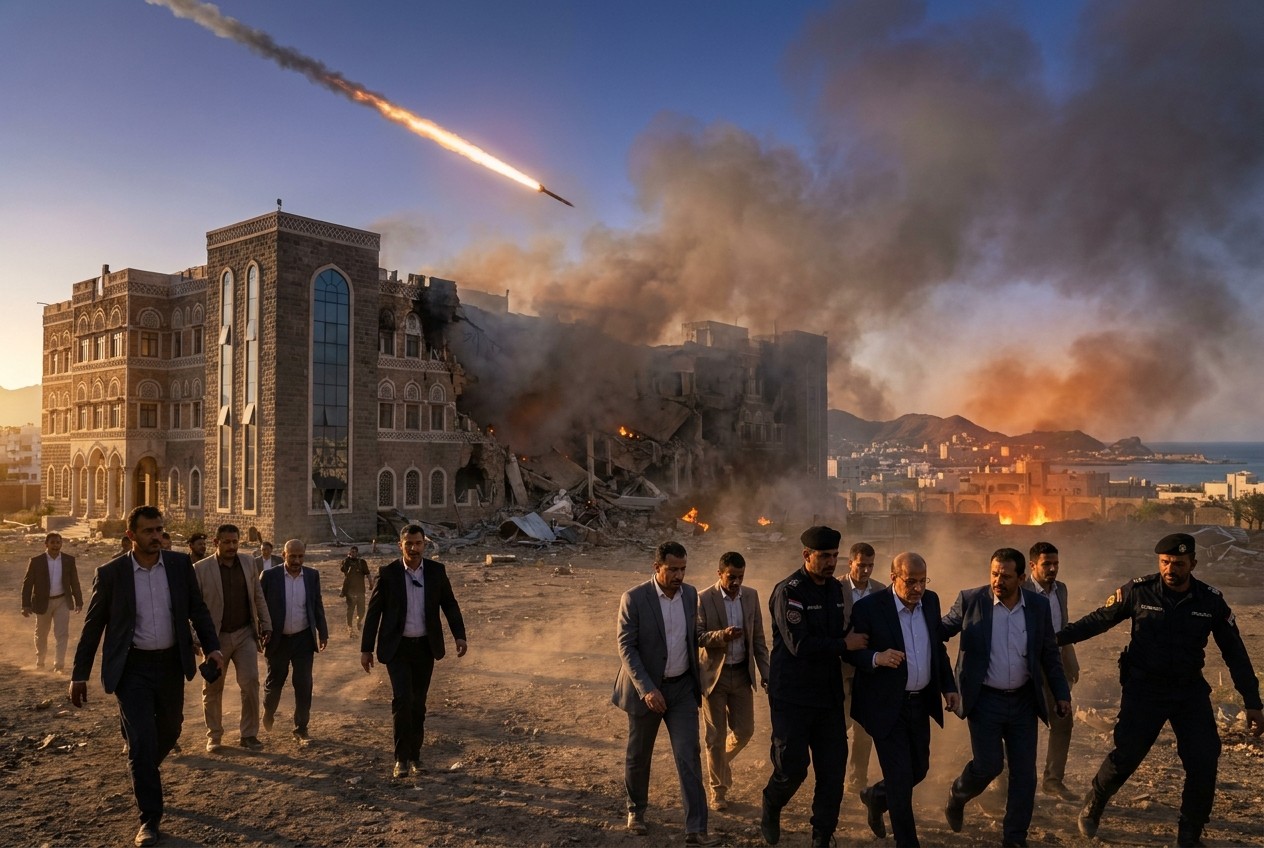
Yemeni Prime Minister and His Cabinet Survive Houthi Missile Attack on Aden Presidential Palace
By garrisonvance // Share