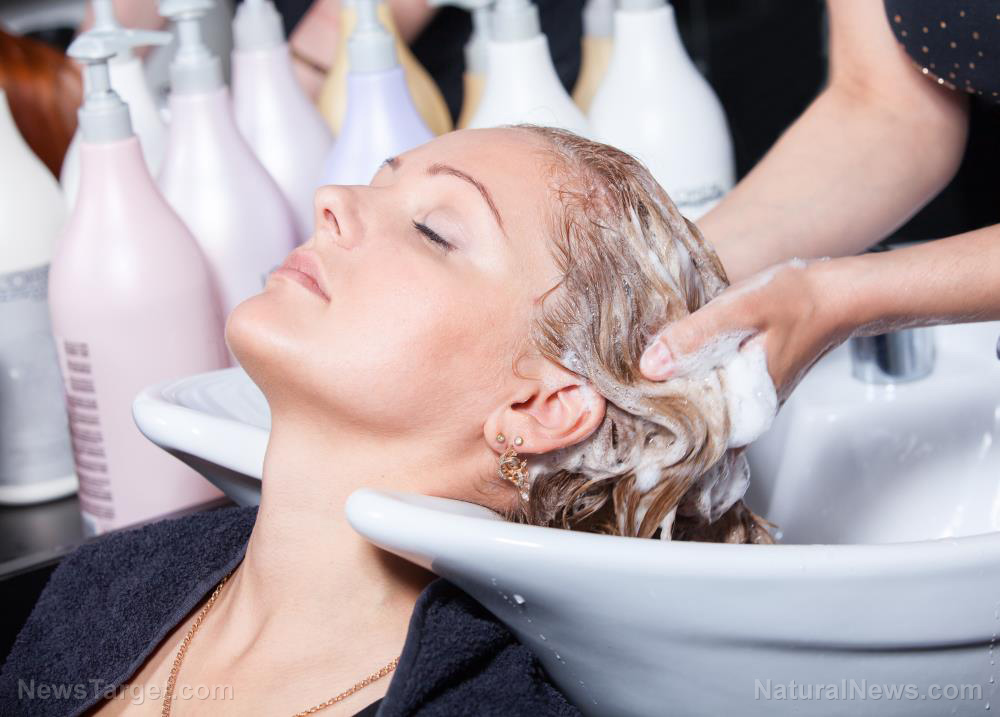
- Harsh ingredients like sodium lauryl sulfate (SLS), parabens and synthetic fragrances strip natural oils, disrupt hormones and weaken follicles, leading to hair thinning, breakage and shedding.
- Avoid SLS, parabens, propylene glycol, DEA, synthetic fragrances, imidazolidinyl urea and sodium chloride in commercial shampoos.
- Many shampoo chemicals are industrial-grade, linked to skin irritation, allergies, hormonal imbalances and carcinogenic effects (e.g., formaldehyde).
- Apple cider vinegar, coconut oil, rosemary essential oil and aloe vera cleanse gently, moisturize and promote scalp health without toxic side effects.
- Even “natural” shampoos may contain harmful additives; opt for pure botanical ingredients and avoid sulfates, parabens and synthetic fragrances for long-term hair health.
7 Shampoo chemicals linked to hair loss
From harsh detergents to hormone-disrupting preservatives, many shampoo ingredients are far from benign. Some are industrial-grade cleansers also found in paint thinners and household disinfectants, while others mimic estrogen, potentially triggering hormonal imbalances linked to hair loss. Understanding these hidden risks—and knowing which natural alternatives to seek—could be the key to preserving healthy hair. Toxic chemicals to avoid in commercial shampoo formulations:1. Sodium lauryl sulfate (SLS)
A surfactant responsible for the rich lather in shampoos, SLS is also used in heavy-duty cleaners like engine degreasers and industrial detergents. Studies indicate that SLS can penetrate the skin barrier, degrading cell membranes and proteins crucial for hair follicle health. By stripping away natural scalp oils, it leaves hair dry, brittle and prone to breakage.2. Parabens
These preservatives extend shelf life but come at a cost. Parabens are endocrine disruptors that mimic estrogen, potentially leading to hormonal imbalances. Research links parabens to skin irritation and allergic reactions.3. Propylene glycol
Marketed as a moisturizing agent, propylene glycol is classified as a skin irritant by the Environmental Working Group. Despite its conditioning claims, propylene glycol may contribute to scalp dryness and inflammation, exacerbating hair shedding.4. Diethanolamine (DEA)
Commonly found in shampoos and industrial cleaners, DEA has been linked to liver toxicity and skin lesions in animal studies. Its harsh nature can weaken hair follicles over time, leading to increased shedding.5. Synthetic fragrances
Labeled simply as “fragrance,” these chemical concoctions often contain endocrine-disrupting compounds that alter hormone levels, including estrogen and testosterone—both critical for hair growth. Some fragrances also trigger contact dermatitis, further irritating the scalp.6. Imidazolidinyl urea
A formaldehyde-releasing preservative, imidazolidinyl urea is used in cosmetics to prevent bacterial growth. Formaldehyde is a known carcinogen and can cause scalp irritation, allergic reactions and blistering, all of which can accelerate hair loss.7. Sodium chloride (Salt)
Used as a thickening agent in sulfate-based shampoos, salt can dehydrate hair strands, making them brittle and prone to breakage. The drying effect is similar to the damage caused by prolonged exposure to seawater.Natural alternatives for healthier hair
Switching to gentler, plant-based formulations can help restore scalp health and reduce hair loss. Key natural ingredients to look for include:- Apple cider vinegar and bentonite clay – Natural cleansers that remove buildup without stripping essential oils.
- Moisturizing oils (coconut, jojoba, olive) – These natural oils replenish hydration and protect against breakage.
- Essential oils (rosemary, peppermint, lavender) – They offer antimicrobial properties that support scalp health while providing a natural fragrance.
- Algae, green tea and aloe vera – Rich in vitamins and antioxidants, these ingredients nourish follicles and promote growth.

Study Finds Short Sleep Duration and Irregular Sleep Times Increase Cardiovascular Risk
By Coco Somers // Share

Stanford Study Links Common Chemical Exposures to Accelerated Biological Aging
By Morgan S. Verity // Share

Iran Claims Toll Revenue Collection from Strait of Hormuz, Straining Ceasefire
By Garrison Vance // Share

Research Identifies Dim Lighting as Key Factor in Rising Global Myopia Rates
By Coco Somers // Share

Report: Nutritionist Lists Packaged Foods Marketed as Healthy, Suggests Alternatives
By Coco Somers // Share

Israel Prepared for Renewed Iran Conflict, Awaiting U.S. Approval, Defense Minister Says
By Garrison Vance // Share

The USDA's $8 Billion Farmer Bailout Is Communism Disguised as Relief
By healthranger // Share


Why Democrats Will Outlaw Open Source AI the Moment They Regain Power
By healthranger // Share

Could your sugar habit be reshaping your mouth's ecosystem?
By willowt // Share

Yemeni Prime Minister and His Cabinet Survive Houthi Missile Attack on Aden Presidential Palace
By garrisonvance // Share