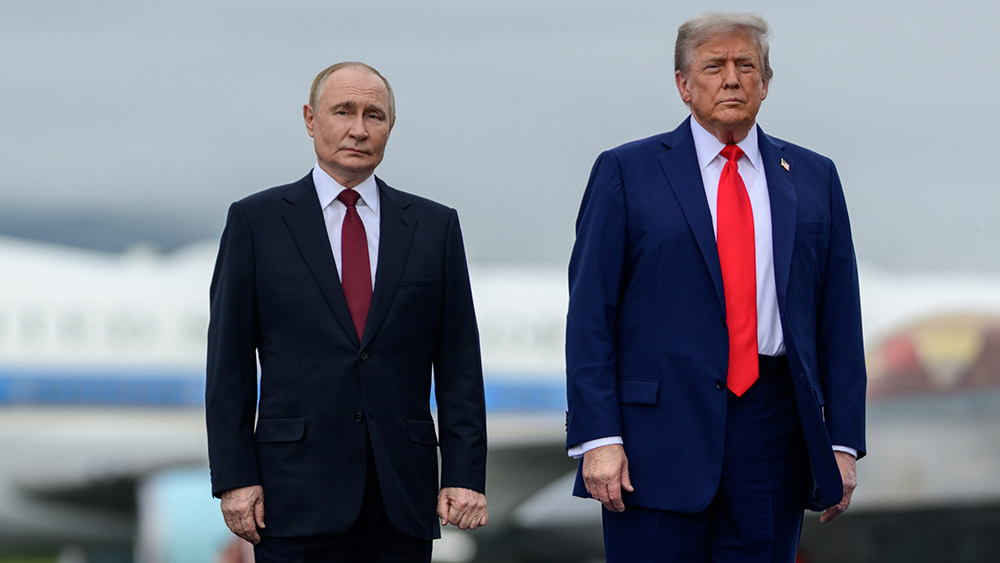
- Russian Foreign Minister Sergey Lavrov met with China's Wang Yi in Beijing to strengthen strategic coordination.
- The diplomats framed their alliance as a necessary counterbalance to Western efforts to "contain" Russian and Chinese influence.
- Discussions centered on global hotspots, including Ukraine, Taiwan, and the Middle East crisis.
- The meeting served as preparation for an anticipated summit later this year between Presidents Vladimir Putin and Xi Jinping.
- The deepening partnership signals a sustained challenge to the U.S.-led international order.
Forging a United Front Against "Containment"
The core narrative advanced by both diplomats was one of mutual defense against Western pressure. Lavrov asserted that the foundational system of international relations is under severe strain, blaming the West for crises from Latin America to the Middle East. He characterized the conflict in Ukraine as an "artificially created" project by the West to inflict a "strategic defeat" on Russia. Similarly, he warned of "dangerous games" in East Asia involving Taiwan, the South China Sea, and the Korean Peninsula. The ministers presented their enhanced coordination as an essential response to what they described as efforts to create bloc-based structures designed to limit the influence and reach of both Beijing and Moscow.Coordinating on Global Flashpoints
The agenda extended beyond bilateral relations to address several active global conflicts where Russian and Chinese interests align against Western postures.- On Ukraine, the talks reinforced a shared skepticism of Western motives, with Lavrov accusing European nations of exploiting the conflict to forge a new "aggressive bloc" aimed at Russia.
- Regarding the Middle East, the partnership was evident in their critical stance toward U.S. actions. China, a major regional energy importer, has condemned a U.S. blockade near the Strait of Hormuz as a "dangerous and irresponsible act" that threatens regional stability—a position that finds sympathy in Moscow.
- The timing of Lavrov’s visit, which coincided with Spanish Prime Minister Pedro Sanchez’s meetings in Beijing, highlighted diplomatic outreach to Western nations perceived as less aligned with U.S. policy, with China praising Spain as a country that "values principle and justice."
Laying the Groundwork for a Putin-Xi Summit
A significant outcome of the meeting was the formalization of a 2026 contacts roadmap between the two foreign ministries. This bureaucratic step is widely viewed as preparatory work for an anticipated state visit by Russian President Vladimir Putin to China later this year. Lavrov hinted at the planned high-level contacts, stating that the day's discussions would help "prepare additional solutions" for meetings between the two leaders. A Putin-Xi summit would represent the capstone of this period of intensified coordination, potentially announcing new joint initiatives or solidified positions on the world stage.Historical Context and Lasting Implications
The deepening "no limits" partnership between Russia and China marks a definitive return to a form of great power competition not seen since the Cold War, though now with a different ideological and geographic alignment. Historically, both nations have sought to create a multipolar world order to diminish American hegemony. Their current collaboration, forged through shared geopolitical grievances and complementary economic needs—Russia as a resource powerhouse under sanctions and China as a manufacturing titan—presents a sustained, strategic challenge. Their ability to coordinate within forums like the United Nations, BRICS, and the Shanghai Cooperation Organization allows them to amplify dissent against Western-led initiatives and offer alternative models of governance and alliance.An Enduring Challenge to the Western Order
The Lavrov-Wang meeting in Beijing was more than a routine diplomatic exchange; it was a powerful demonstration of a consolidating axis. By jointly decrying Western containment and meticulously planning their leaders' next summit, Russia and China are methodically constructing a parallel diplomatic and strategic architecture. This evolving alliance ensures that for the foreseeable future, Western nations will face a coordinated counterweight in virtually every major international dispute, from European security to Indo-Pacific navigation, fundamentally reshaping the dynamics of global diplomacy and national security planning for years to come. Sources for this article include: RT.com ForbiddenNewsonFacebook.com Yahoo.com
The Omni War: Humanity’s last stand against technocratic enslavement
By Ramon Tomey // Share
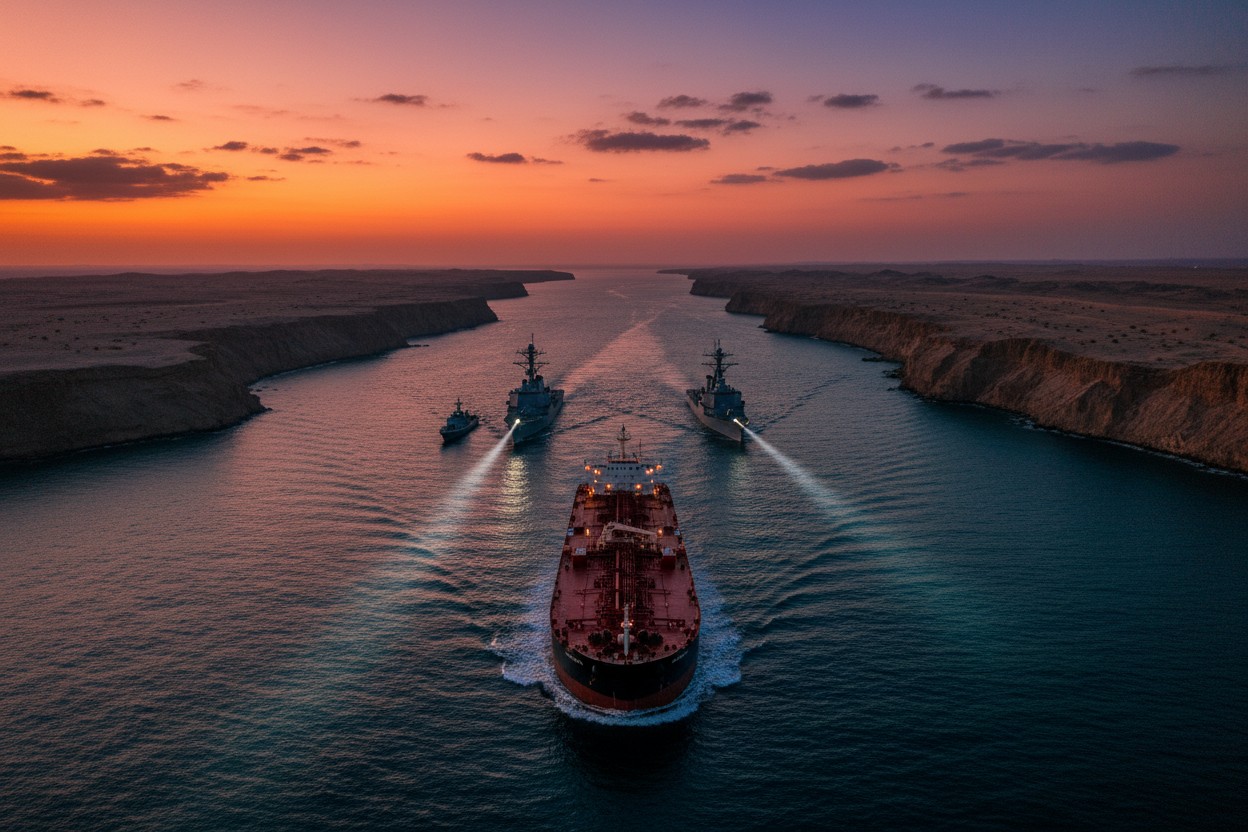
U.S. enforces “ironclad blockade” on Iran in escalating show of force
By Patrick Lewis // Share
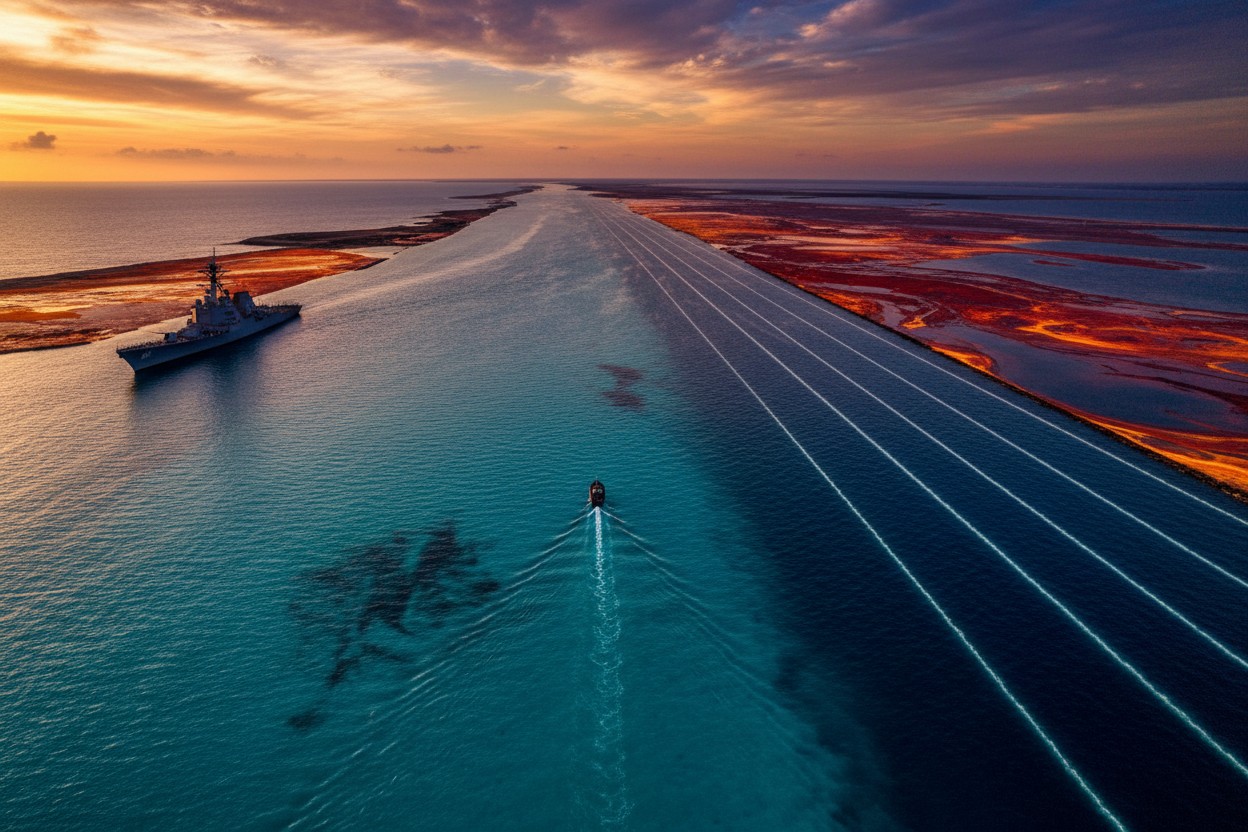
Iran Claims Toll Revenue Collection from Strait of Hormuz, Straining Ceasefire
By Garrison Vance // Share

Anthropic Denies Pentagon Claims of AI ‘Kill Switch’ in Court Filing
By Chase Codewell // Share
Israel Prepared for Renewed Iran Conflict, Awaiting U.S. Approval, Defense Minister Says
By Garrison Vance // Share


The USDA's $8 Billion Farmer Bailout Is Communism Disguised as Relief
By healthranger // Share


Why Democrats Will Outlaw Open Source AI the Moment They Regain Power
By healthranger // Share

Could your sugar habit be reshaping your mouth's ecosystem?
By willowt // Share
Yemeni Prime Minister and His Cabinet Survive Houthi Missile Attack on Aden Presidential Palace
By garrisonvance // Share