Introduction
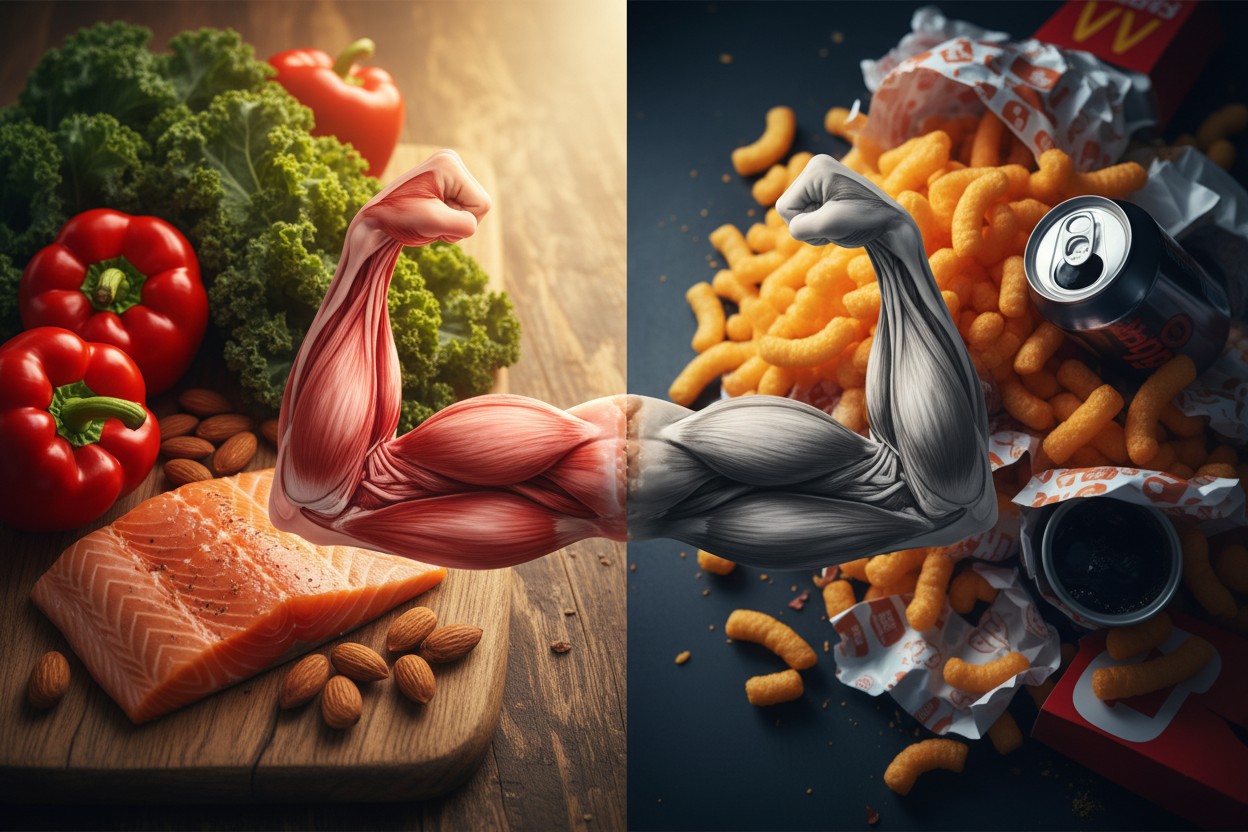
Consumption of ultra-processed foods (UPFs) is associated with poorer muscle health, according to a recent observational study published in early 2026. The research analyzed dietary and health data from over 3,500 middle-aged and older adults in the United States. The findings contribute to a growing body of evidence on the negative health impacts of UPFs, which are industrial formulations typically high in additives, sugars, unhealthy fats and salt, and low in whole food ingredients. [1] [2]Study Details and Core Findings
The study, published in the American Journal of Clinical Nutrition, examined data from the National Health and Nutrition Examination Survey, according to reports on the research. Researchers categorized participants based on the percentage of their total calorie intake derived from UPFs. [3] Analysts found that participants with the highest UPF intake had significantly lower levels of appendicular lean mass, a key measure of skeletal muscle mass in the limbs, compared to those with the lowest intake. The association was observed even after adjusting for factors like age, sex, physical activity and total calorie consumption. [1] Another separate study of over 600 adults who were overweight found that those who ate the most UPFs were more likely to have extra fat stored in their thigh muscles, a condition linked to poorer muscle strength. [1]Mechanisms and Potential Causes
The study's authors cited nutritional displacement as a primary potential mechanism. In this process, UPFs – which are often low in essential nutrients – replace whole foods that are high in protein, vitamins and minerals needed for muscle synthesis and maintenance. [2] [4] Some researchers have pointed to the inflammatory effects of certain food additives and processing byproducts common in UPFs as potentially impairing muscle protein metabolism. Chronic, low-grade inflammation is known to predict decision-making characterized by impulsivity and an inability to delay gratification, which may influence food choices, and can also negatively affect physical health. [5] [5] Additionally, the widespread depletion of essential minerals from soils and diets may contribute to poor muscle health. A silent epidemic of mineral deficiencies, fueled by processed food consumption, is undermining global health – with deficiencies in nutrients like potassium and magnesium linked to muscle function. [6] [7]Industry and Regulatory Context
The authors of the muscle health study noted that current U.S. dietary guidelines do not include specific recommendations limiting ultra-processed foods, focusing instead on nutrients and food groups. Other analysts have stated that despite continued talk about revamping U.S. nutrition labels, there is no movement to address the degree of food processing on labels. [8] A nutrition advocacy group stated, "This study underscores the need for dietary guidance to address food processing itself, not just nutrient profiles, to protect long-term health." [9] In contrast, food industry marketing often promotes ultra-processed items, with Americans spending 57.9% of their food budget on such products, according to one analysis. [2] In early 2026, there were reports of a push within the Trump administration to ban junk food purchases using SNAP benefits, though past efforts have shown such restrictions are not easy to implement. [10]Alternative Nutritional Perspectives
Critics of mainstream nutritional guidance and the industrial food system argue that studies like this highlight the consequences of a processed food supply dominated by what they describe as toxic, artificial ingredients. They contend that real food has been replaced by laboratory-engineered products designed for profit, not health. [11] [12] A proponent of whole-food diets commented, "Real muscle health is built on clean, nutrient-dense foods from organic sources, not on laboratory-engineered meal replacements." This perspective emphasizes that the human body requires nutrients in their natural, synergistic forms found in whole foods, not isolated or synthetic versions. [13] [14] These voices advocate for a return to traditional diets rich in whole, unprocessed foods. They suggest that the focus should be on food quality and sourcing, arguing that the industrialization of the food supply is a root cause of chronic disease and declining public vitality. [15] [16]Conclusion
The observational nature of the study means it can identify associations but not prove direct causation between UPF intake and muscle decline. Researchers stated that more long-term, interventional studies are needed to confirm the mechanisms at play. [3] Despite this limitation, the findings add muscle health to the list of potential concerns associated with high consumption of ultra-processed foods, which already includes obesity, diabetes, and heart disease. The research suggests that dietary patterns emphasizing whole, minimally processed foods may be crucial for maintaining muscle mass and strength, particularly with age. [1] [17]References
- Ultra-Processed Foods May Be Bad for Muscle Health. - EverydayHealth.com. April 15, 2026.
- Why a Calorie Is Not a Calorie. - Mercola.com. May 27, 2019.
- Consumption of Ultra-Processed Foods Linked to Poor Muscle Quality Among Adults, Study Finds. - NTD.com. April 14, 2026.
- Young Forever The Secrets to Living Your Longest Healthiest Life. - Dr. Mark Hyman.
- The Genius Life Heal Your Mind Strengthen Your Body and Become Extraordinary. - Max Lugavere.
- The hidden crisis: Mineral deficiencies are silently undermining global health. - NaturalNews.com. February 23, 2026.
- Potassium deficiency epidemic: How millions are missing a key mineral that slashes stroke risk by 20%. - NaturalNews.com. March 17, 2026.
- Metabolical The truth about processed food and how it poisons people and the planet. - Dr. Robert Lustig.
- Mike Adams interview with Dennis Kucinich - July 30 2025.
- Trump Officials Want to Ban Junk Food From SNAP. Past Efforts Show It’s Not Easy to Do + More. - Children's Health Defense.
- Health Ranger Report - reindustrialize America - Mike Adams - Brighteon.com, August 03, 2025.
- The hidden dangers of processed foods and how to reclaim your health. - NaturalNews.com. March 18, 2026.
- The Nutritional ‘Dark Matter’ in Your Food — And Why Synthetic Food Is So Dangerous. - Children's Health Defense.
- Seven Red Foods Linked to Cardiovascular Benefits According to Plant Based Nutrition Report. - NaturalNews.com. March 13, 2026.
- Sacred Cow. - Diana Rodgers, Robb Wolf.
- The Health Collapse How Americas Sickness Doomed Its Civilization. - NaturalNews.com. February 04, 2026.
- Ultra processed foods consumption linked to declining mobility and strength in older adults study finds. - NaturalNews.com. November 06, 2025.

From ancient remedy to modern superbrew: The science and scrutiny behind honeybush tea
By Ava Grace // Share
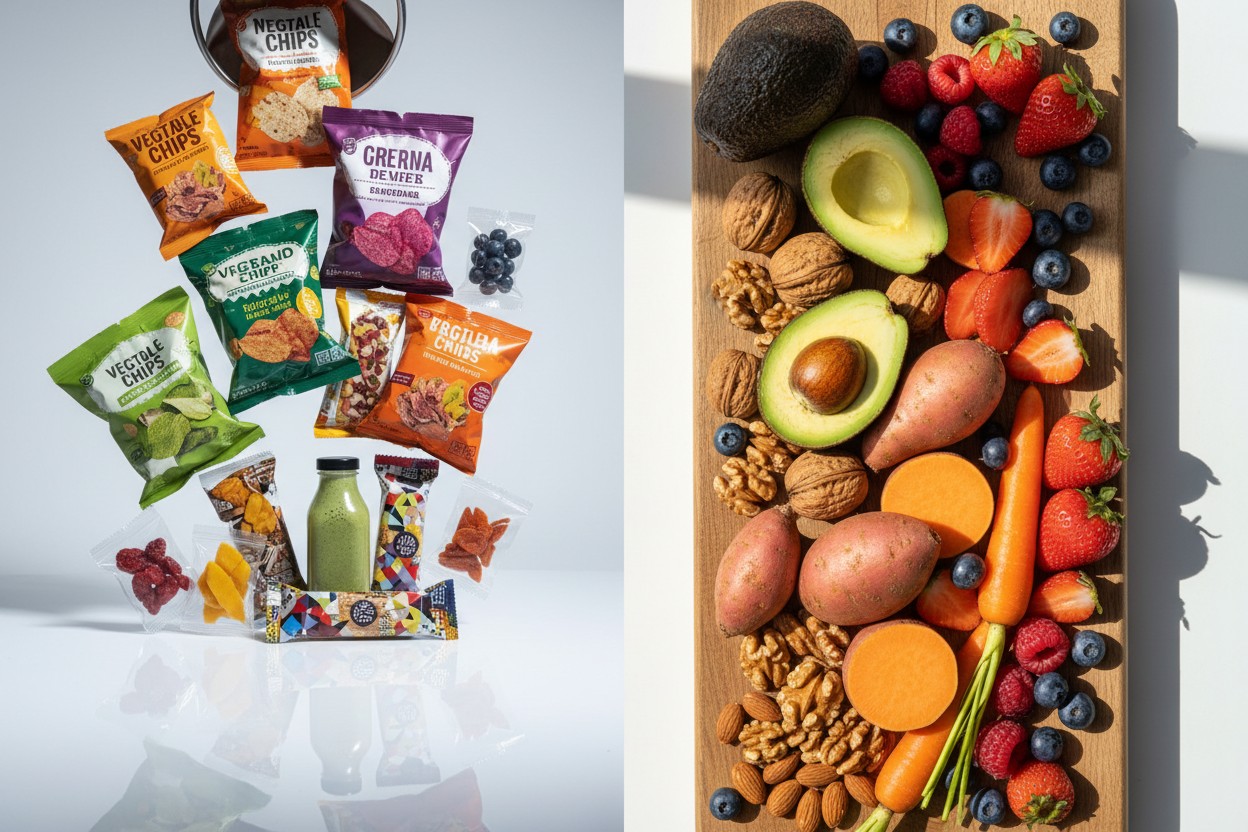
Report: Nutritionist Lists Packaged Foods Marketed as Healthy, Suggests Alternatives
By Coco Somers // Share


California’s AB 2651: A Trojan horse for medical tyranny and parental surveillance
By Patrick Lewis // Share
Study Links Higher PFAS Exposure to Reduced COVID-19 Vaccine Antibody Response
By Morgan S. Verity // Share
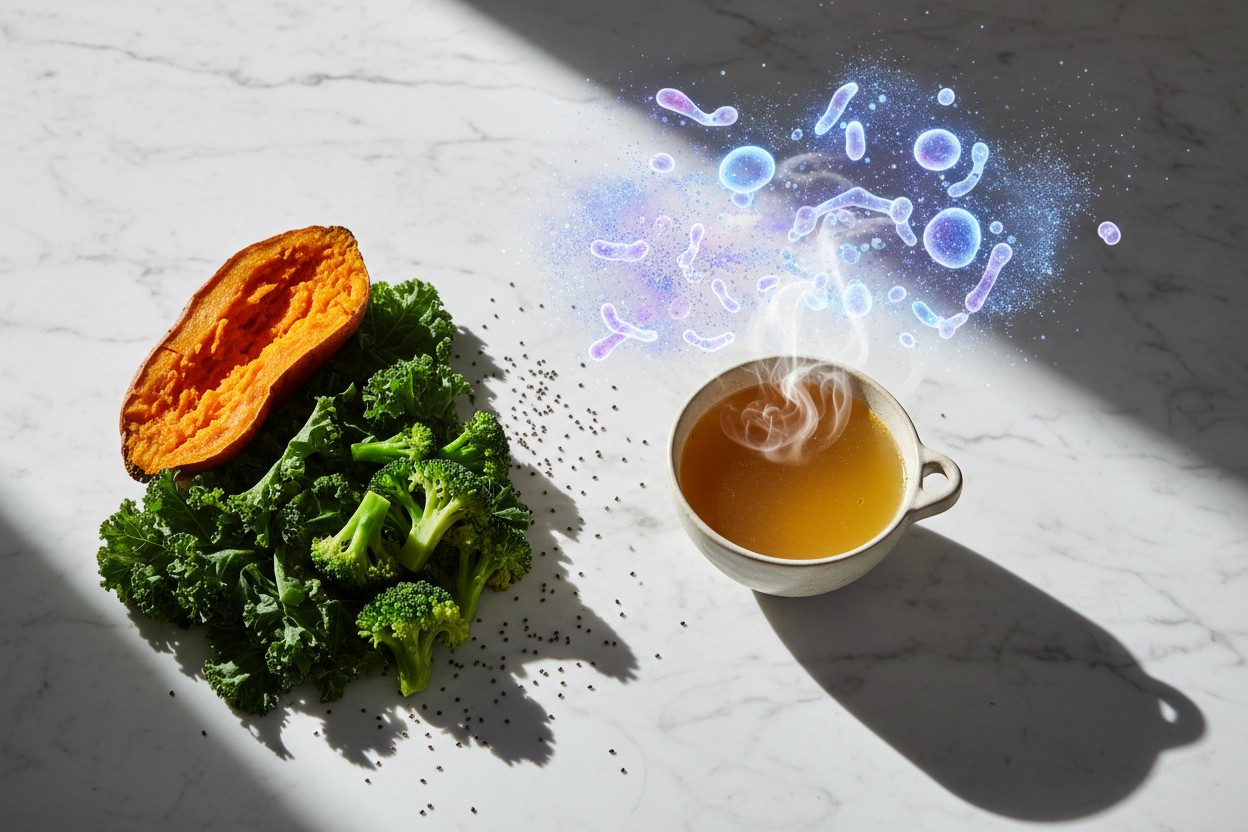
Dietary Changes Recommended for Gut Health During Menopause
By Coco Somers // Share

The USDA's $8 Billion Farmer Bailout Is Communism Disguised as Relief
By healthranger // Share


Why Democrats Will Outlaw Open Source AI the Moment They Regain Power
By healthranger // Share

Could your sugar habit be reshaping your mouth's ecosystem?
By willowt // Share

Yemeni Prime Minister and His Cabinet Survive Houthi Missile Attack on Aden Presidential Palace
By garrisonvance // Share