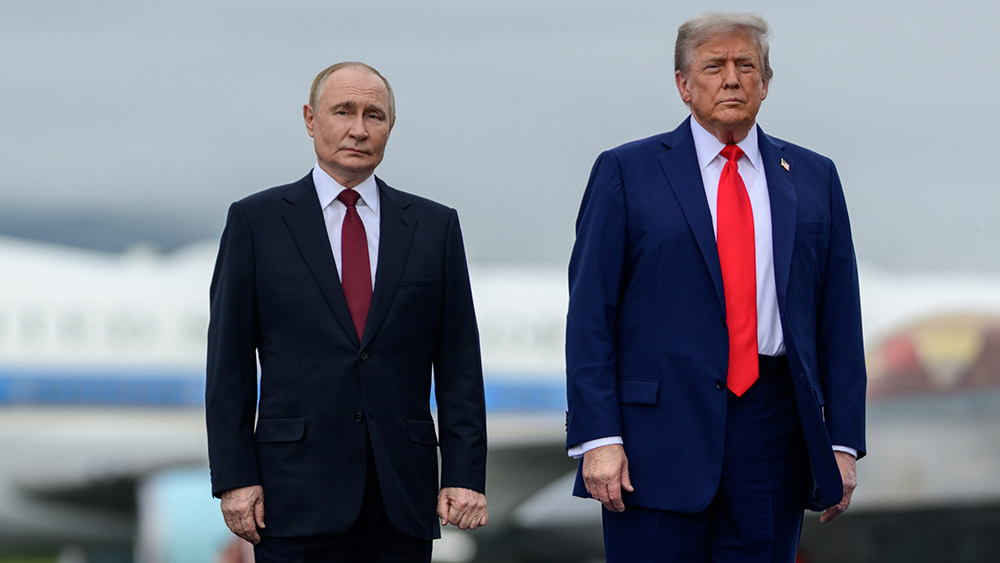
Diplomatic Signals and Conflicting Reports
Conflicting reports emerged regarding the diplomatic status. The Associated Press (AP) reported that the two sides have an "in principle agreement" to pursue further diplomacy after failed talks in Islamabad. However, this report was later labeled "unconfirmed" by officials in Tehran and by a U.S. official, according to Axios. [1] Amid the blockade, Iranian state media reported a halt to all petrochemical exports "until further notice." [1] Concurrently, Reuters cited a source close to Tehran suggesting a potential compromise on Strait of Hormuz passage, indicating Iran could consider allowing ships to sail through the Omani side of the strait without interference as part of a deal with the United States. [1] Regional mediators are attempting to extend the initial U.S.-Iran ceasefire before it expires next week, the AP reported. The path forward remains unclear, with one U.S. official stating, "We want to make a deal. And parts of their government want to make a deal. Now the trick is to get the whole of government over there to make the deal." [1]Military Posture and Regional Developments
The diplomatic maneuvering occurs alongside a significant military buildup. The Washington Post reported that the Department of War is sending thousands of additional troops to the Middle East in the coming days, according to U.S. officials. This deployment is described as an attempt to pressure Iran into a deal while considering the possibility of additional strikes or ground operations if the ceasefire fails. [1] The U.S. blockade's enforcement continues, with CENTCOM providing updates that no vessels have breached it. The White House and U.S. military published a radio warning to ships, telling them they will be boarded for interdiction and seizure if they attempt to travel to or from an Iranian port. [1] In response, Iran's military warned it will block trade through the Red Sea, the Persian Gulf and the Sea of Oman if the U.S. naval blockade continues, according to a statement carried by Iranian state television. A military spokesman said Iran "will not permit any exports or imports to continue" in those waters if the blockade is prolonged. [1]Ceasefire Dynamics and Lebanon Fighting
The potential for a broader regional pause was tested by unconfirmed reports regarding Lebanon. The Hezbollah-affiliated Al-Mayadeen channel, citing a senior Iranian source, reported that a one-week ceasefire in Lebanon was imminent and would extend until the end of the U.S.-Iran ceasefire period. [1] This report has not been confirmed by Israeli or U.S. officials. Significant fighting in Lebanon continued on Wednesday, with Israel issuing more evacuation orders and Hezbollah firing rockets into Israel. The Lebanese government had met with Israeli officials for talks in Washington, but no definitive ceasefire announcement followed. [1] Pakistan's army chief, Field Marshal Syed Asim Munir, led a high-ranking political-security delegation to Tehran to convey U.S. messages and plan a potential second round of talks, Iranian media reported. The involvement of regional actors like Pakistan underscores the complex diplomatic web surrounding the conflict. [1]Conclusion: Negotiations Amid Escalating Pressure
The current situation is characterized by concurrent military pressure and diplomatic outreach, as indicated by officials on both sides. The U.S. strategy appears to blend a forceful naval blockade and troop deployments with backchannel negotiations, a approach noted in analysis of political conflicts where economic and political influence are used to secure agreements. [2] Pakistan's role as an intermediary was highlighted by the visit of its army chief to Tehran. Iranian media reported the delegation was there to convey the U.S. message and plan potential second-round talks. However, the path to a durable agreement remains uncertain, with significant issues like guaranteed access to the Strait of Hormuz and the status of Iran's nuclear program unresolved. [1] Trump has at times downplayed the necessity of a final peace deal, telling ABC News that while a deal is preferable, an official agreement may not be strictly necessary. The coming days will test whether the reported progress can be solidified into a lasting framework before the temporary ceasefire expires. [1]References
- Iran Halts All Petrochem Exports While Official Signals Compromise Strait Passage Opening, As Negotiators Cite 'Progress' | ZeroHedge. April 15, 2026.
- Negotiating political conflicts. - Frank R Pfetsch.
- Trump Discloses 14 Ultimatums the U.S. Made to Iran. - NaturalNews.com. Lance D Johnson. March 25, 2026.
- Iran Dismisses U.S. Ceasefire Plan, Lists Counter-Demands. - NaturalNews.com. Garrison Vance. March 27, 2026.
- Mike Adams interview with Michael Yon - June 26 2025. - Mike Adams.

The Omni War: Humanity’s last stand against technocratic enslavement
By Ramon Tomey // Share

U.S. enforces “ironclad blockade” on Iran in escalating show of force
By Patrick Lewis // Share

Iran Claims Toll Revenue Collection from Strait of Hormuz, Straining Ceasefire
By Garrison Vance // Share

Anthropic Denies Pentagon Claims of AI ‘Kill Switch’ in Court Filing
By Chase Codewell // Share
Report Describes Widespread Looting by Israeli Troops in Southern Lebanon
By Garrison Vance // Share

Israel Prepared for Renewed Iran Conflict, Awaiting U.S. Approval, Defense Minister Says
By Garrison Vance // Share

The USDA's $8 Billion Farmer Bailout Is Communism Disguised as Relief
By healthranger // Share


Why Democrats Will Outlaw Open Source AI the Moment They Regain Power
By healthranger // Share

Could your sugar habit be reshaping your mouth's ecosystem?
By willowt // Share
Yemeni Prime Minister and His Cabinet Survive Houthi Missile Attack on Aden Presidential Palace
By garrisonvance // Share