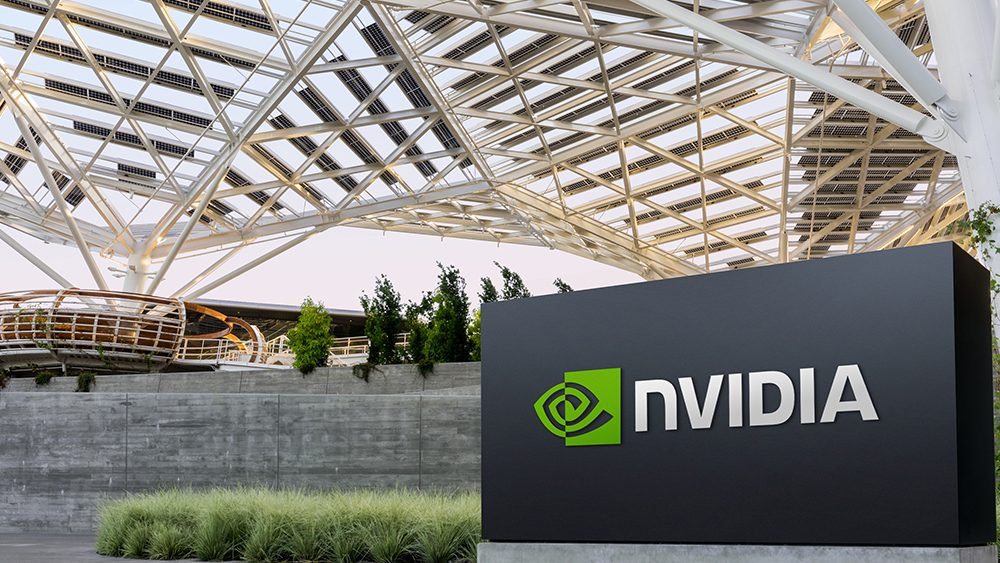
- Mike Adams accuses Nvidia and PNY of refusing to honor a 3-year warranty for a defective $9,000 RTX Pro 6000 GPU, despite clear evidence of hardware failure (VRM/power bus defect).
- Nvidia demanded redundant documentation (receipts, photos, diagnostics) and transferred the case endlessly, while Assurant Technologies pushed a malware-linked diagnostic tool flagged by cybersecurity platforms.
- PNY dismissed irrefutable telemetry data (216 driver errors, BSODs, VBIOS corruption) and refused replacement, exposing what Adams calls a "convoluted" warranty fraud scheme.
- Adams advises avoiding Nvidia/PNY products, documenting all warranty communications and rejecting suspicious diagnostic executables that risk system security.
- The case highlights systemic failures in honoring high-value hardware warranties, disproportionately harming consumers and professionals reliant on GPUs for critical work (AI, data inference).
A runaround of red tape and malware demands
Nvidia's warranty process required Adams to submit multiple layers of proof, including purchase receipts, detailed photographs of the card from all angles, serial number verification and even images of his workstation. After complying with these demands, he was directed to run a system diagnostics utility, which generated a 30MB file for Nvidia's review. Despite providing all requested documentation, the case was then transferred to a separate "replacement team," which inexplicably asked him to resubmit the same materials. Frustrated by Nvidia's inaction, Adams was referred to the original reseller, Assurant Technologies, a Texas-based company. Assurant's representative, Shung Shu, instructed him to download and run a suspicious executable file named "X-Term Swac," which multiple cybersecurity platforms flagged as malicious. The file, linked via Google Drive, was described as a "Swiss Army knife" developer tool but was found to perform VM detection, modify registry keys and evade detection—hallmarks of malware. Adams refused to execute the file, citing security concerns and instead provided a comprehensive telemetry report generated using Claude Code, a script-based analysis tool. The report confirmed the GPU's hardware defect, specifically identifying power delivery subsystem failure.PNY's final refusal and allegations of warranty fraud
After being passed from Nvidia to Assurant, Adams was then directed to PNY, the card's manufacturer. Despite presenting PNY's technical support supervisor, Bruce P., with irrefutable telemetry data—including 216 driver errors, five BSODs (Blue Screens of Death) and VBIOS corruption—the company still refused to authorize a replacement. The evidence clearly indicated a defective VRM (voltage regulator module), yet PNY dismissed the findings, effectively ending any hope of a resolution. Adams now warns consumers against purchasing Nvidia or PNY products, citing their failure to uphold warranty commitments. "They claim to offer a three-year warranty, but in reality, they engage in warranty fraud by making the process so burdensome and convoluted that customers give up," he stated. His experience highlights a broader issue of corporate accountability in the tech industry, where high-value hardware is sold with warranties that companies appear unwilling to honor.Broader implications for consumers and the tech industry
This incident raises serious concerns about consumer rights in the high-performance computing sector, where GPUs like the RTX Pro 6000 are essential for AI development, video processing and large-scale data inference. If a repeat customer like Adams—who operates a nonprofit and maintains a fleet of 48 workstations—can be denied warranty support, ordinary consumers may face even greater hurdles. Adams advises buyers to:- Avoid Nvidia and PNY products until they demonstrate a commitment to honoring warranties.
- Document all communications with warranty support teams, including timestamps and case numbers.
- Refuse to execute suspicious diagnostic tools that may compromise system security.
- Consider alternative hardware vendors with transparent warranty policies.

No Way Out: Why Permanent Damage to Persian Gulf Oil Wells Begins Now
By Mike Adams // Share

The End of Human Content Creators: Why Big Tech Is Gearing Up for a Post-Human Future
By Mike Adams // Share

The Great Unraveling: Why America’s Empire and Money Printing Will Destroy Us All
By Mike Adams // Share

Prescription for Persecution: A battle cry for health freedom in an age of coercion
By Belle Carter // Share

The double-edged sword of AI: From unmasking anonymous users to fabricating digital legions
By Jacob Thomas // Share

Trump Threatens ‘Big Tariff’ on UK Over Digital Services Tax
By Garrison Vance // Share

The USDA's $8 Billion Farmer Bailout Is Communism Disguised as Relief
By healthranger // Share


Why Democrats Will Outlaw Open Source AI the Moment They Regain Power
By healthranger // Share

Could your sugar habit be reshaping your mouth's ecosystem?
By willowt // Share

Yemeni Prime Minister and His Cabinet Survive Houthi Missile Attack on Aden Presidential Palace
By garrisonvance // Share