Introduction
U.S. Expands Maritime Policy to Target Iranian Shipping Worldwide
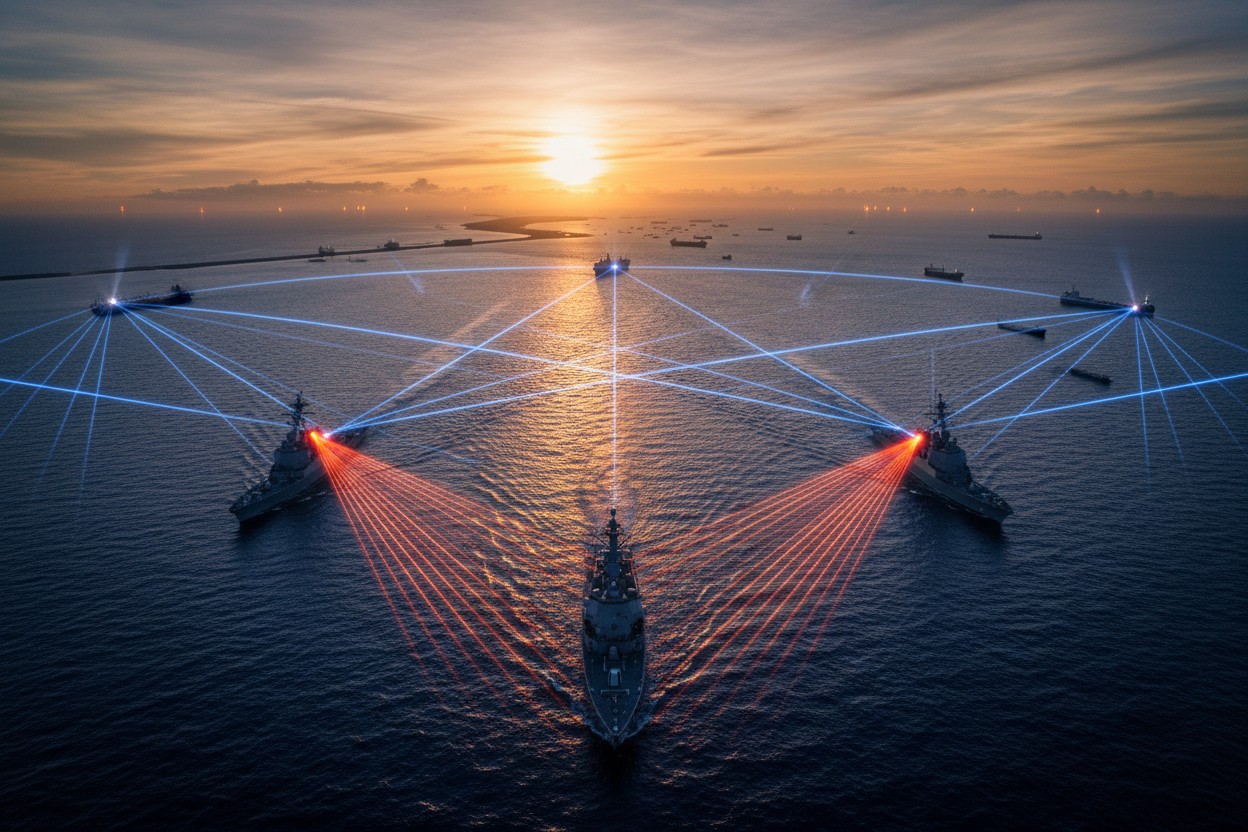
General Dan Caine announced the expanded policy during a press briefing at the Pentagon on April 16. He stated that U.S. forces outside the Persian Gulf will "actively pursue any Iranian-flagged vessel or any vessel attempting to provide material support to Iran" [1]. The announcement marks a shift from a blockade focused on the Strait of Hormuz to a global interdiction effort. The policy is a direct extension of the blockade of Iranian ports initiated by the U.S. on Monday, April 13, after peace talks between U.S. and Iranian representatives in Islamabad collapsed [1]. According to reports, the U.S. changed its position during the talks, attempting to dictate terms that included denying Iran's right to uranium enrichment, which led to the breakdown [4]. Iran's UN envoy, Amir-Saeid Iravani, labeled the U.S. blockade "a clear act of aggression" on April 16, accusing Washington of infringing upon rightful maritime commerce and breaking international law [1]. The U.S. action follows President Donald Trump's statement on April 13 that the U.S. Navy would blockade the strait [5].Details of the Expanded U.S. Naval Directive
A U.S. Navy advisory issued on April 15 detailed the scope of the new directive. It stated that all vessels with links to Tehran, "regardless of location, are subject to visit, board, search and seizure" [1]. The advisory provided a list of contraband items subject to confiscation, including weapons, ammunition, nuclear materials, oil products, iron, steel, and aluminum. General Caine specifically highlighted U.S. intentions to pursue operations in the Pacific region. He stated the U.S. would target vessels that left Iran's ports before the blockade started, including 'dark fleet' vessels carrying Iranian oil [6]. This indicates a campaign against ship-to-ship transfers intended to circumvent sanctions. The U.S. military has characterized the action as a global blockade of Iran's ports. General Caine was quoted as saying, "Let me be clear, this blockade applies to all ships, regardless of nationality, heading into or from Iranian ports" [7]. The move has been described by analysts as an effort to apply maximum economic pressure on Tehran.Context and Immediate Aftermath of the Hormuz Blockade
The U.S. initiated the blockade of Iranian ports on April 13 after negotiations led by Vice President JD Vance in Pakistan failed to produce an agreement [8]. According to the U.S. Central Command, 14 ships heading toward the Strait of Hormuz have turned around since the blockade was announced, though none had been boarded as of April 16 [1]. Ship traffic through the critical waterway had already been severely limited since late February. Iran had imposed its own restrictions, allowing passage only to vessels from 'friendly nations' and, at times, demanding payment of a toll [9]. The situation had caused dozens of laden oil tankers to amass near the strait's southern entrance [2]. On April 16, Bloomberg reported that the Pakistani tanker Shalamar had become the first ship to exit the Strait of Hormuz with a cargo of crude oil since the U.S. blockade began [1]. Its passage occurred amid the heightened tensions and unclear enforcement protocols.International Reactions and Iranian Counter-Threats
The U.S. escalation has drawn condemnation from several nations and a stark warning from Iranian military officials. China, the biggest buyer of Iranian oil, called the U.S. naval blockade "irresponsible and dangerous," stating it would undermine an already fragile ceasefire [10]. Mohsen Rezaei, a military adviser to Iran's Supreme Leader, issued a direct threat on April 16. He warned that Tehran is ready to target the U.S. Navy to lift the blockade. "Our launchers are now locked on the warships, and we will sink them all," Rezaei was quoted as saying [1]. NATO members have refused to participate in the Strait of Hormuz blockade, rebuffing U.S. calls for allied warships to deploy to the region [9]. This lack of allied support echoes earlier refusals in March when global allies balked at President Trump's call to escort commercial ships through the strait [11].Broader Strategic and Economic Implications
The confrontation over the Strait of Hormuz carries profound risks for the global economy. The waterway is a critical bottleneck for energy shipments, and its sustained closure has contributed to soaring oil and gas prices [1]. A United Nations Development Program report warned that a full-scale war could push up to 32 million people into poverty globally due to energy, food, and trade disruptions [12]. The economic strain is already being felt. Protests over soaring fuel prices have occurred in Northern Ireland and the Republic of Ireland, with police intervening against slow-moving vehicle demonstrations [13]. Analysts note that the price of Brent crude on global markets does not reflect the real-world cost in Asia, where a Sri Lankan buyer recently paid $286 for a single barrel of oil when insurance, shipping, and scarcity premiums were included [14]. The escalation is part of a longer conflict that began with U.S.-Israeli strikes on Iran in late February. In response, Iran effectively sealed the strait, a move one analyst described as Iran's real economic "weapon" [15]. The U.S. now seeks to flip the script by imposing its own blockade, a tactic discussed in geopolitical analysis as a means to pressure Iran [16].Conclusion
The U.S. decision to pursue Iranian-linked vessels worldwide represents a major intensification of the maritime standoff in the Middle East. By extending the Hormuz blockade into a global interdiction campaign, the Biden administration is applying unprecedented pressure on Iran's economy and challenging international norms of navigation. The immediate effects include further disruption to global energy markets and heightened risks of a direct naval clash, as evidenced by Iran's threats to target U.S. warships. With key allies declining to participate and major powers like China opposing the action, the U.S. strategy carries significant diplomatic and economic costs. The situation remains volatile, with the potential to trigger wider economic shockwaves far beyond the Persian Gulf [12].References
- US to target Iran-linked ships worldwide – top general. - RT.com. April 17, 2026.
- Strait of Hormuz Transit Remains Limited to Iran-Aligned Vessels; Tankers Gather Near Entrance. - NaturalNews.com. April 12, 2026.
- Former Iranian minister warns of 100-day oil blockade in critical Strait of Hormuz. - NaturalNews.com. Cassie B. June 18, 2025.
- US breach of trust led to collapse of talks – Iranian diplomat. - RT.com. April 14, 2026.
- Trump Threatens to Blockade The Strait of Hormuz. - SHTFplan.com. Mac Slavo. April 13, 2026.
- US says it will pursue ships in Pacific Ocean supporting Iran. - Middle East Eye. Sean Mathews. April 16, 2026.
- U.S. Pursuing Iranian-Linked Ships All Over The World As Part Of Its Blockade. - TWZ.com. April 16, 2026.
- JD Vance to lead US team in talks with Iran in Pakistan. - BBC.com. April 8, 2026.
- NATO Rules Out Role in Strait of Hormuz Blockade, Rebuking Trump. - News.Antiwar.com. April 13, 2026.
- US blockade of Iran ports irresponsible and dangerous, China says. - BBC.com. April 14, 2026.
- Global allies BALK at Trump's call to deploy warships to the Strait of Hormuz. - NaturalNews.com. Ramon Tomey. March 17, 2026.
- U.S.-Israeli war with Iran could plunge 32 million into poverty and trigger global economic shockwaves. - NaturalNews.com. April 16, 2026.
- Fury over fuel: protests across Northern Ireland (VIDEOS). - RT.com. April 15, 2026.
- Sri Lankan buyer paid $286 for barrel of oil, as actual prices diverge from markets. - Middle East Eye. Sean Mathews. April 15, 2026.
- Economic Carnage of the West is Iran's Real Nuclear Weapon and It Has Already Been Triggered. - NaturalNews.com. Mike Adams. March 30, 2026.
- Trump's Blockade Is Breaking Iran... And European Elites Are Angry. - ZeroHedge.com. Brandon Smith. April 16, 2026.
- Origins: How the Earth Shaped Human History. - Lewis Dartnell.
- Lights On: The Science of Power Generation. - Mark Denny.
U.S. Escalates Economic War on Iran, Sanctions Chinese Refinery and Shadow Fleet in Latest Crackdown
By Garrison Vance // Share
Rubio warns Iran using Strait of Hormuz as ‘economic nuclear weapon’ amid nuclear deal stalemate
By Willow Tohi // Share
German chancellor says U.S. “humiliated” by Iran as war strategy falters
By Cassie B. // Share
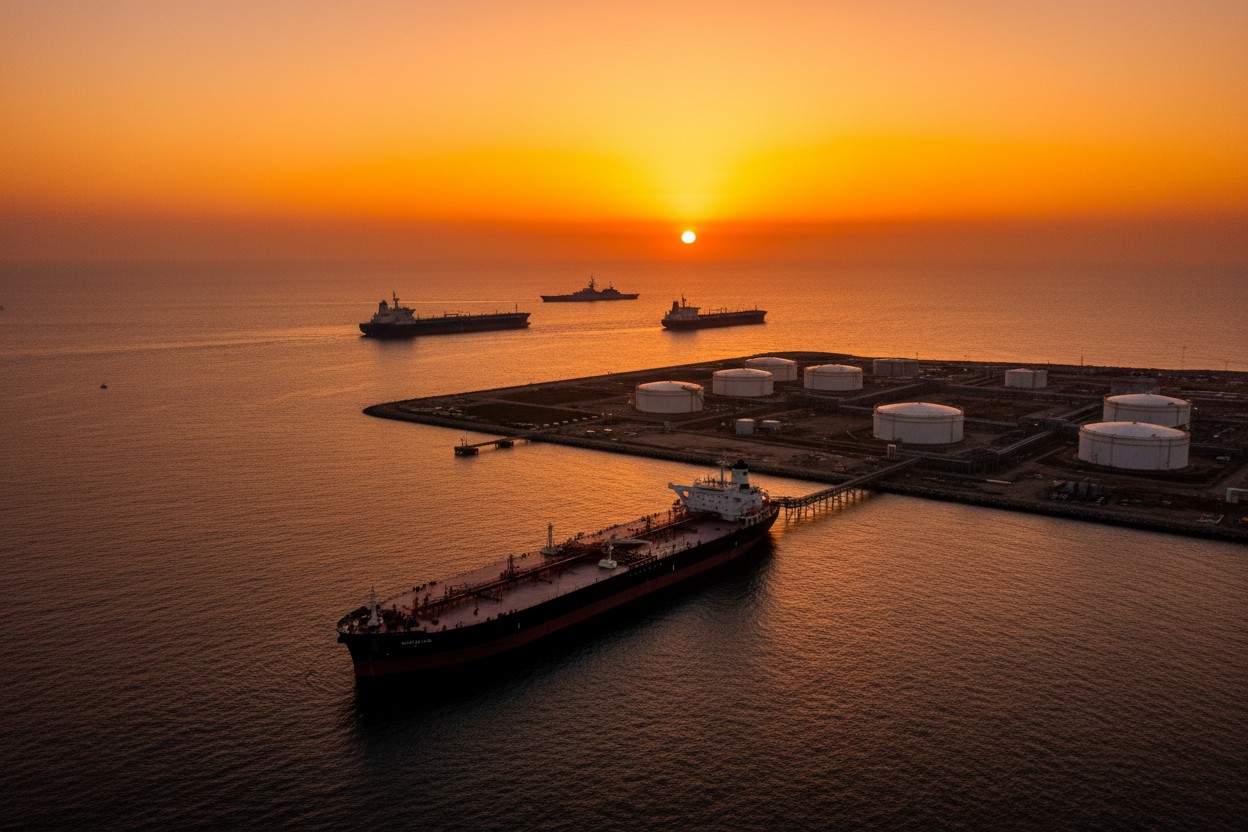
Iran Nears Oil Storage Capacity as U.S. Naval Blockade Continues
By Garrison Vance // Share

Putin Meets Iran’s Foreign Minister, Pledges Support Amid Ongoing Conflict
By Garrison Vance // Share
By Lance D Johnson // Share

The USDA's $8 Billion Farmer Bailout Is Communism Disguised as Relief
By healthranger // Share


Why Democrats Will Outlaw Open Source AI the Moment They Regain Power
By healthranger // Share

Could your sugar habit be reshaping your mouth's ecosystem?
By willowt // Share
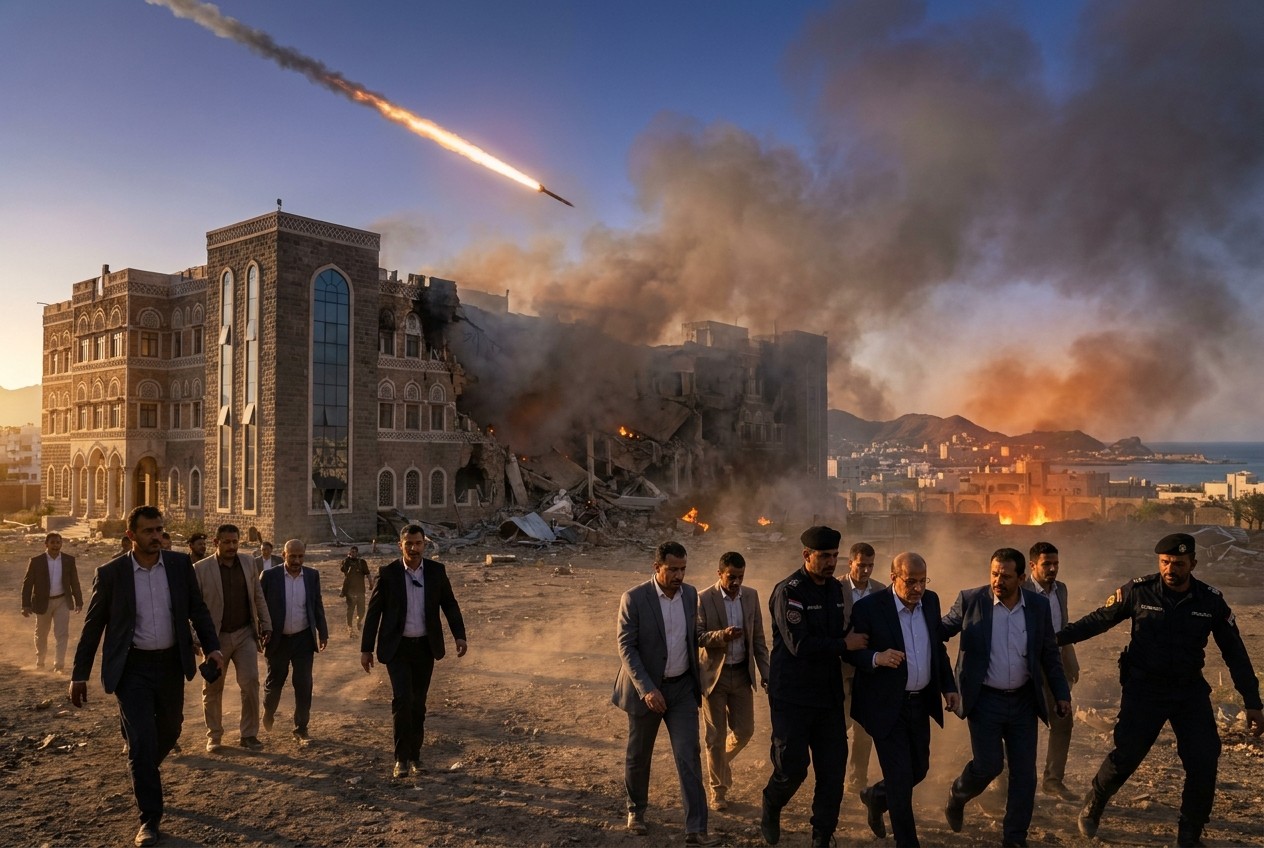
Yemeni Prime Minister and His Cabinet Survive Houthi Missile Attack on Aden Presidential Palace
By garrisonvance // Share