- U.S. Energy Secretary Chris Wright stated gasoline prices may not fall below $3 per gallon until 2027.
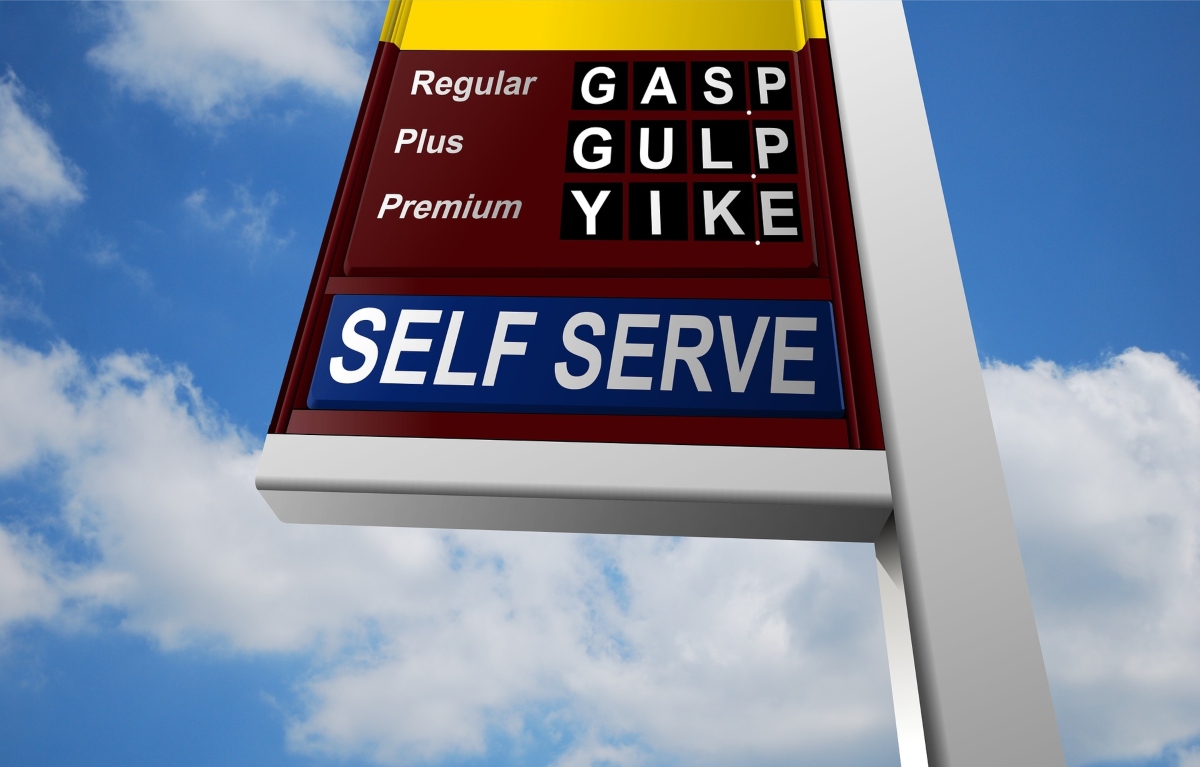
- The national average currently sits at $4.04 per gallon, a significant increase from pre-war levels.
- The ongoing conflict with Iran and the closure of the Strait of Hormuz are primary drivers of the price surge.
- The high prices represent a stark reversal from Trump's 2024 campaign promise to bring gas below $2 per gallon.
- Polling indicates widespread public disapproval of the administration's handling of inflation and the war's economic impact.
From campaign promise to painful reality
The current energy landscape presents a stark contrast to the pledges that dominated the 2024 presidential campaign. Then-candidate Donald Trump aggressively promised to slash gasoline prices below $2 per gallon, framing cheap energy as the cornerstone of broader economic relief. In the days before Operation Epic Fury commenced on Feb. 28, the national average hovered at a relatively modest $2.98, a figure the administration frequently touted. Secretary Wright, in his Sunday remarks, framed sub-$3 gas as "pretty tremendous in inflation-adjusted terms," a subtle acknowledgment that the pre-war baseline is now a distant benchmark rather than an imminent reality.The Strait of Hormuz stranglehold
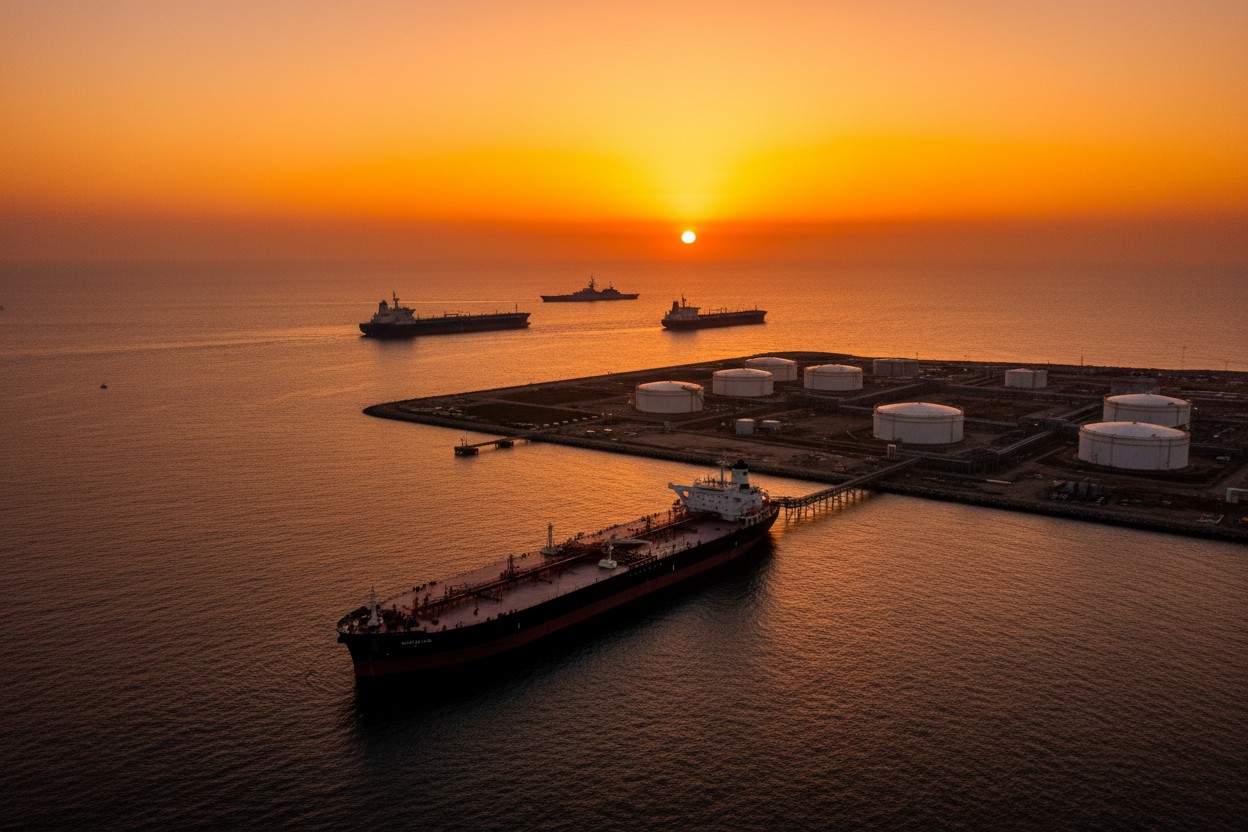
The primary engine of the price spike is geopolitical. Iran's repeated closures of the Strait of Hormuz—a chokepoint for roughly one-fifth of the world's seaborne oil trade—have injected severe instability into global energy markets. U.S. military blockades enforcing the closure have further constricted supply. The direct link between conflict and cost was laid bare by Wright, who predicted prices would only begin a meaningful descent "with a resolution of this conflict." This admission highlights how a foreign policy crisis has directly translated into domestic economic pain, complicating the administration's narrative of economic stewardship.A shifting timeline for affordability
Secretary Wright's latest assessment marks a significant retreat from earlier, more optimistic timelines. In a March interview, he suggested there was a "very good chance" prices would dip below $3 per gallon by summer and characterized the surge as a matter of "weeks—not months." The shift to a potential multi-year wait for sub-$3 fuel reflects the protracted and unpredictable nature of the war. It also aligns with a nonpartisan Energy Information Administration outlook, which estimates an average of $3.46 per gallon for 2027, suggesting even the secretary's new forecast may be optimistic.The political and personal toll
The relentless price pressure is registering sharply with the public. Recent polling indicates that a majority of Americans find current gasoline prices a financial difficulty, and significant majorities disapprove of the administration's handling of both the Iran war and inflation. For the average household, the jump from pre-war prices to the current $4.04 national average represents a substantial and unwelcome tax on mobility and daily life. This economic discontent threatens to become a central issue in the upcoming midterm elections, as voters weigh geopolitical actions against their tangible economic consequences.An enduring economic headwind
The trajectory of gasoline prices is now inextricably linked to the resolution of a distant war. While Secretary Wright maintains that prices have "likely peaked," his extended timeline for meaningful relief suggests that the era of reliably low fuel costs is over for the foreseeable future. The administration's challenge is no longer about delivering on a campaign promise of ultra-cheap gas, but rather managing the political and economic repercussions of a prolonged energy squeeze that it directly attributes to national security imperatives. For American consumers, the message is clear: the road back to affordable fuel will be long, winding and entirely dependent on events far beyond the nation's borders. Sources for this article include: TheEpochTimes.com TheGuardian.com Axios.com
Iran and United States locked in blockade standoff with no military solution in sight
By Cassie B. // Share
Trump threatens troop reduction in Germany as feud with Merz intensifies
By Cassie B. // Share

Russian Official Warns Western Europe Could Face Nuclear Blackmail from Ukraine
By Garrison Vance // Share

We Are Sleepwalking Into a Global Famine – And No One in Power Cares
By Mike Adams // Share

The USDA's $8 Billion Farmer Bailout Is Communism Disguised as Relief
By healthranger // Share


Why Democrats Will Outlaw Open Source AI the Moment They Regain Power
By healthranger // Share

Could your sugar habit be reshaping your mouth's ecosystem?
By willowt // Share

Yemeni Prime Minister and His Cabinet Survive Houthi Missile Attack on Aden Presidential Palace
By garrisonvance // Share