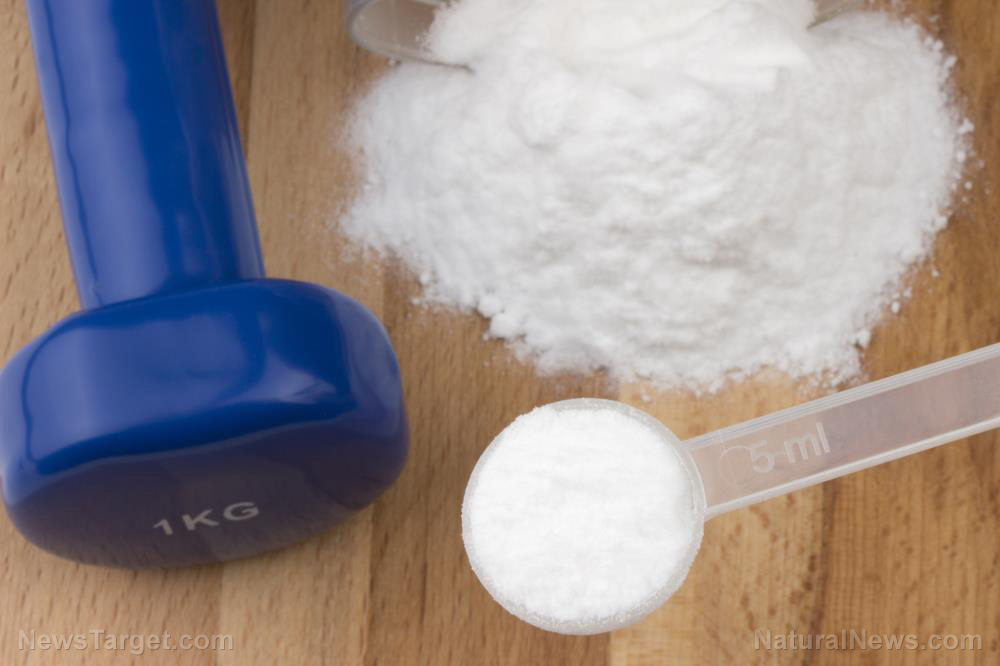
- Creatine supplementation demonstrates significant antioxidant and anti-inflammatory activity in the gastrointestinal tract.
- The compound supports ATP regeneration and enhances mitochondrial function, preserving the integrity of gut epithelial cells.
- Intestinal smooth muscle and epithelial cells rely on the creatine kinase/phosphocreatine system for energy, making creatine a targeted therapy.
- Current pharmacological treatments for IBD carry high rates of adverse effects and significant costs.
- Standard dietary intake of creatine from meat, poultry, and fish is insufficient to generate therapeutic effects.
- Consistency with five to ten grams daily may be necessary for gut-related benefits.
The quiet epidemic that pharmaceuticals cannot solve
Inflammatory bowel disease has become a quiet epidemic sweeping through Western nations, with incidence rates climbing every year. Millions of Americans suffer from ulcerative colitis and Crohn's disease, two chronic inflammatory conditions that attack the gastrointestinal tract with relentless fury. The standard medical playbook calls for immunosuppressants, glucocorticoids, and targeted biological therapies. These drugs come with a dark underside. Patients suffer through nausea, increased infection risk, bone density loss, and in some cases, heightened cancer risk. The financial burden is crushing. Biologic therapies alone can cost tens of thousands of dollars annually. The medical establishment has created a dependency model, not a healing model. The review, conducted by researchers analyzing data from PubMed, ScienceDirect, and Google Scholar, looked specifically at creatine's effects on intestinal health. What they found should make every gastroenterologist rethink their position. Creatine demonstrated significant antioxidant activity and anti-inflammatory potential. More importantly, it exhibited therapeutic potential in restoring intestinal homeostasis. The gut, when properly supported, wants to heal itself. Creatine appears to provide the cellular energy needed for that healing process to unfold naturally.How creatine repairs the gut from the inside out
The mechanism behind creatine's gut-healing properties is both elegant and powerful. Both intestinal smooth muscle and epithelial cells depend on the creatine kinase/phosphocreatine system for their energy supply. When the gut is inflamed, as it is in IBD, the epithelial barrier becomes compromised. Think of this barrier as the fortress wall surrounding your digestive tract. When that wall develops holes, toxins, undigested food particles, and bacteria leak into the bloodstream. The immune system responds with fury. Inflammation worsens. Symptoms spiral. Creatine supplementation enhances cellular bioenergetics. It fuels the mitochondria, the power plants of every cell, allowing them to produce more ATP, the energy currency of life. With this energy surge, epithelial cells can repair themselves. The fortress wall gets rebuilt. Inflammation subsides. The body returns to balance. The review also highlighted creatine's ability to modulate immune responses and exert analgesic effects. For patients suffering from the cramping, burning pain of IBD, this represents a potential lifeline. The 1999 case study published in The New England Journal of Medicine raised legitimate concerns about creatine and kidney health, linking supplementation to interstitial nephritis. Critics have clung to this singular case for nearly three decades. But a single case does not constitute a crisis. Millions of athletes have used creatine safely for decades. The dose, the source, and the individual's baseline health all matter. For IBD patients who have exhausted conventional treatments, creatine represents a natural, affordable, and accessible option worth serious exploration. Creatine monohydrate remains the most well-studied and widely available form. It can be mixed in water or juice at a dose of five grams daily. For those seeking deeper therapeutic effects, ten grams or more daily may support brain and bone health alongside gut healing. The key is consistency. Your body produces some creatine endogenously from amino acids, and you obtain small amounts from meat, poultry, and fish. But these sources alone cannot generate the concentrations needed for intestinal repair. Supplementation bridges that gap. Creatine is no longer just for building muscle. It is for rebuilding gut health from the inside out. Sources include: MindBodyGreen.com ScienceDirect.com MindBodyGreen.com
Mobility Training Linked to Longevity and Independence, Researchers Say
By Petra Stone // Share

Study Finds Caffeine May Counteract Sleep Loss Effects on Social Memory
By Coco Somers // Share

Study: Walking 9,000 Steps Daily Associated With 16% Lower Cancer Risk
By Morgan S. Verity // Share

The War on Data Centers: Why the Backlash Is Justified and What Comes Next
By Mike Adams // Share
Beyond Muscle Development: Creatine Supplement Linked to Cognitive Health Benefits
By Coco Somers // Share
Review Suggests Resveratrol May Support Ovarian Cancer Treatment
By Morgan S. Verity // Share


State Department Says Over 300,000 Visas Revoked During Trump's Second Term
By douglasharrington // Share
By douglasharrington // Share

Trump Rally Scrapped as GOP Candidates Weigh Being Seen With Him, Report Says
By edisonreed // Share

Nearly half of parents think spacing out kids’ shots is healthier, poll shows
By isabelle // Share