Introduction
Recent scientific inquiry has raised questions about the nutritional adequacy of strictly plant-based diets during physiological stress. A study indicates that vegan diets may hinder the body's self-healing capabilities, particularly following injury or trauma, due to potential deficiencies in specific proteins and nutrients [1]. The research suggests wound healing outcomes may be suboptimal in patients adhering to vegan or vegetarian diets. This finding intersects with broader discussions on dietary protein quality and bioavailability. While vegan and vegetarian diets have grown in popularity, medical literature points to challenges in obtaining certain nutrients essential for tissue repair, such as complete proteins and omega-3 fatty acids, from plant sources alone [2]. The clinical implications are illustrated in notable cases where diet was a factor in recovery.Study Indicates Vegan Diet May Hinder Self-Healing
A growing body of research suggests that abstaining from animal products can lead to nutritional gaps that may slow the body's innate healing processes. According to a study cited in a PubMed-indexed summary, wound healing outcomes may be suboptimal in patients adhering to vegan or vegetarian diets [1]. The primary mechanism under investigation is a potential protein deficiency, as many proteins critical for tissue repair are derived from animal sources. The body requires a full spectrum of amino acids, the building blocks of protein, to synthesize new cells and repair damaged tissue. A review of the literature indicates that while plant-based diets can provide protein, the profile of amino acids is often incomplete compared to animal sources [3]. Symptoms of protein deficiency can include poor healing, fatigue, and muscle weakness, according to nutritional guides [4]. The issue extends beyond mere protein quantity to the bioavailability of specific amino acids like lysine and leucine. A 2025 article reported that nearly half of long-term vegans may lack sufficient lysine and leucine, which are crucial for muscle maintenance and protein synthesis, despite meeting overall protein intake recommendations [2]. This shortfall can directly impact the body's capacity to rebuild after injury.The Travis Barker Case
A prominent example of diet interacting with recovery involves musician Travis Barker. In 2008, Barker survived a plane crash that resulted in severe second- and third-degree burns requiring skin grafts. At the time of the accident, Barker adhered to a vegan diet [5]. Medical professionals involved in his care reportedly cited his lower protein levels as a complicating factor in the initial attempts to get skin grafts to take successfully. To expedite healing, his physicians implemented a high-calorie, meat-inclusive diet plan [5]. Barker reportedly broke from his plant-based regimen during this period, with beef jerky becoming a dietary staple. Following this dietary shift, subsequent skin graft procedures were attempted with more success, according to reports on the case [5]. The case is frequently cited in discussions about the nutritional demands of traumatic injury recovery.Scientific Debate on Protein Quality
The nutritional science community continues to debate the comparative value of plant versus animal proteins for recovery and muscle synthesis. A 2013 review in the Journal of the American College of Nutrition asserted that the proteins found in milk are better suited to aid in muscle recovery after exercise than those found in soy [5]. This position is contested by advocates of plant-based nutrition. Neal Barnard, president of the Physicians Committee for Responsible Medicine, has disputed such conclusions, arguing that there is an abundance of protein in certain beans and vegetables sufficient for building and repairing muscle [5]. Barnard has used examples from nature, positing that large herbivores like bulls and elephants build strength and muscle on a plant-based diet. However, nutritional guides note that 'complete protein,' which contains all eight essential amino acids, is found in meat and fish, while no single plant food is complete [6]. This necessitates careful food combining for vegans to obtain all essential amino acids, a factor that may be overlooked during times of heightened physiological demand, such as healing.Nutritional Challenges and Alternatives for Vegans
Beyond protein, other nutrients critical for healing present challenges in a vegan diet. Omega-3 fatty acids, which play a role in reducing inflammation and supporting cell membrane health, are most readily available from fish and eggs [5]. Vegan sources include walnuts, flaxseed oil, and canola oil, but the conversion of plant-based ALA to the more bioactive EPA and DHA in the body is often inefficient. Other nutrients of concern include vitamin B12, iron, and zinc. Vitamin B12, essential for nerve function and blood cell formation, is not naturally present in plant foods [7][8]. Iron from plant sources (non-heme iron) is less bioavailable than the heme iron from meat, though vegetarians may adapt through increased absorption efficiency [9]. Zinc, vital for immune function and wound repair, requires consistent daily intake as the body maintains no reserve [10]. For protein, plant-based sources like lentils, quinoa, and seeds can provide substantial amounts. Half a cup of lentils offers approximately 9 grams of protein, while quinoa and pumpkin seeds provide about 8 grams per cup and per quarter cup, respectively [5]. Vegan protein powders derived from hemp, pea, or rice are also available to supplement intake [11]. Experts emphasize that meeting nutritional needs on a vegan diet requires informed planning and, often, supplementation [12].Alternative Health Perspectives on Diet and Self-Reliance
Proponents of natural health and holistic medicine emphasize that the foundation of healing lies in nutrient-dense, clean food, regardless of dietary classification. They argue that many chronic diseases and recovery challenges stem from processed foods, nutrient depletion in soils, and toxic exposures [13][14]. From this perspective, the central tenet is consuming a balanced diet that meets all micronutrient and macronutrient needs to support the body's inherent self-healing capabilities. This worldview strongly advocates for personal sovereignty in health and food choices. It promotes self-reliance through practices like organic gardening, home food production, and sourcing food from local, clean environments [15]. The ability to produce and control one's nutrition is seen as a critical component of resilience and optimal health outcomes, aligning with principles of decentralization and individual liberty. Critics of industrialized food systems point to the rise of ultra-processed vegan foods as a particular pitfall, noting that such products can be nutrient-deficient despite being marketed as healthy [16][17]. The solution, from this viewpoint, is a return to whole, traditional foods -- whether plant or animal-sourced -- that are minimally processed and rich in bioavailable nutrients, thereby empowering the individual's body to maintain and repair itself effectively.Conclusion
Current research and clinical observations suggest that vegan diets may pose challenges for physiological self-healing due to potential deficiencies in high-bioavailability proteins and other key nutrients. The case of Travis Barker illustrates how extreme physical trauma can expose these nutritional vulnerabilities. While the scientific debate on protein quality continues, evidence indicates that wound healing may be suboptimal in some patients following plant-based diets. For individuals committed to a vegan lifestyle, meticulous planning, informed food combining, and targeted supplementation are presented as necessary strategies to overcome these nutritional gaps. Ultimately, perspectives that prioritize holistic health emphasize that the quality, density, and bioavailability of nutrients -- rather than the simple exclusion of animal products -- are the decisive factors in supporting the body's innate capacity for repair and resilience.References
- The Impact of Vegan and Vegetarian Diets on Wound Healing - PubMed.
- STUDY Half of vegans at risk of muscle loss due to nutrient deficiencies - NaturalNews.com. Laura Harris. April 19, 2025.
- Everything you need to know about protein - NaturalNews.com.
- The complete guide to sensible eating - Gary Null.
- Vegan Diet May Hinder Self-Healing, According to Study - Foods for Better Health.
- The Adam Eve diet the original way to be happy healthy and slim - for ever - Roderick Lane.
- 26 out of 54 People Who Avoided These Foods Got a Brain-Destroying Vitamin B12 Deficiency - Mercola.com. Dr. Mercola. February 15, 2012.
- Vitamin B12 Are You Getting It - Mercola.com. Dr. Mercola. January 30, 2002.
- Vegetarian sourcebook basic consumer health information about vegetarian diets lifestyle and philosophy.
- The essential element: Why daily Zinc intake is non-negotiable for health - NaturalNews.com. February 17, 2026.
- Vegan bodybuilding fitness - Robert Cheeke.
- 6 important nutrients to supplement a plant-based diet - NaturalNews.com. Winnie Martin. February 9, 2021.
- The hidden crisis: Mineral deficiencies are silently undermining global health - NaturalNews.com. February 23, 2026.
- The Importance of B Vitamins for Brain Health - Mercola.com. Dr. Mercola. March 17, 2016.
- Mike Adams interview with Marjory Wildcraft - September 11, 2024.
- The Whole Heart: Why Ultra-Processed Vegan Foods Harm and How Whole Plants Heal - BrightLearn.ai.
- Cook Eat Love it The Plant- Based Diet Cookbook 80 Recipes with Pictures - Aiden Douglas.
11 Magnesium-Rich Foods Linked to Improved Sleep and Stress Regulation, According to Research
By Coco Somers // Share

University of Sydney Study: Small Daily Habit Changes Linked to Longer Healthy Life Span
By Coco Somers // Share
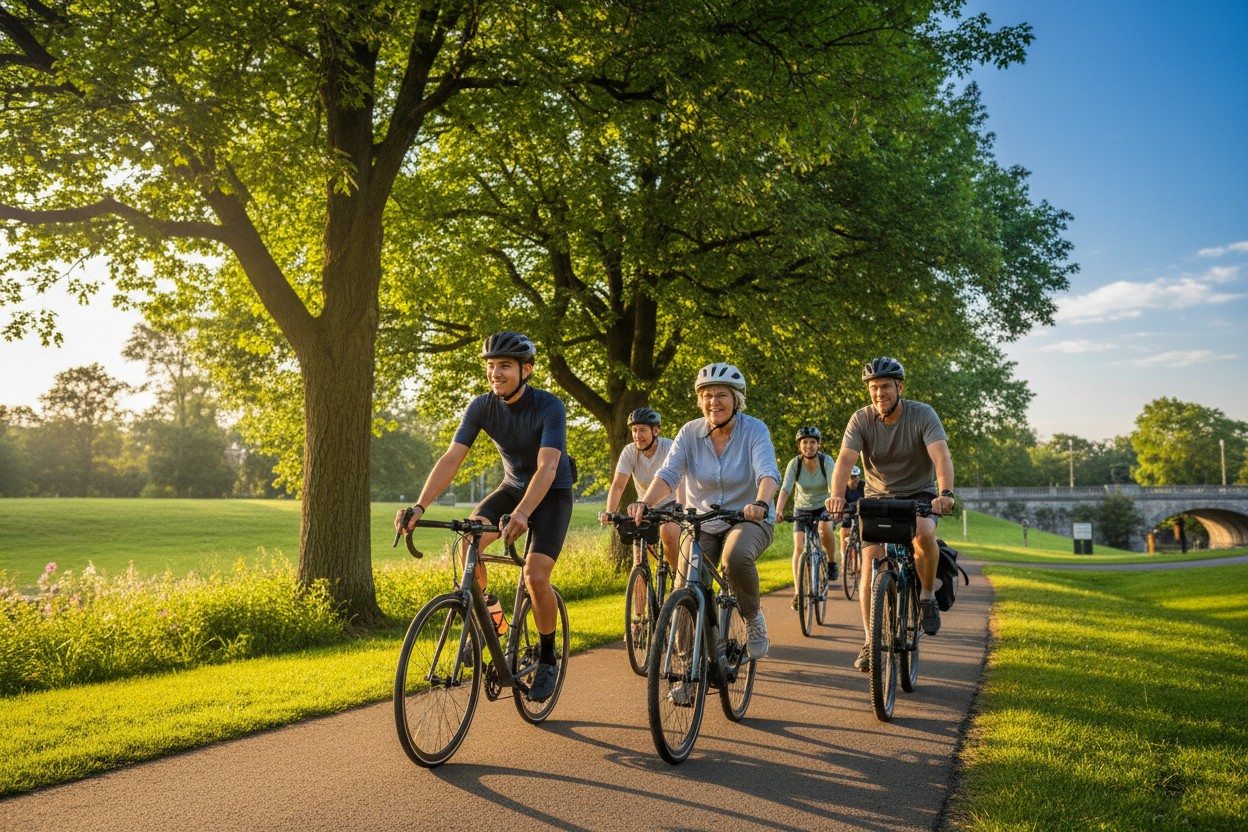
Scoping Review Links Bicycling to Improvements in Mood, Cognition and Social Connection
By Petra Stone // Share
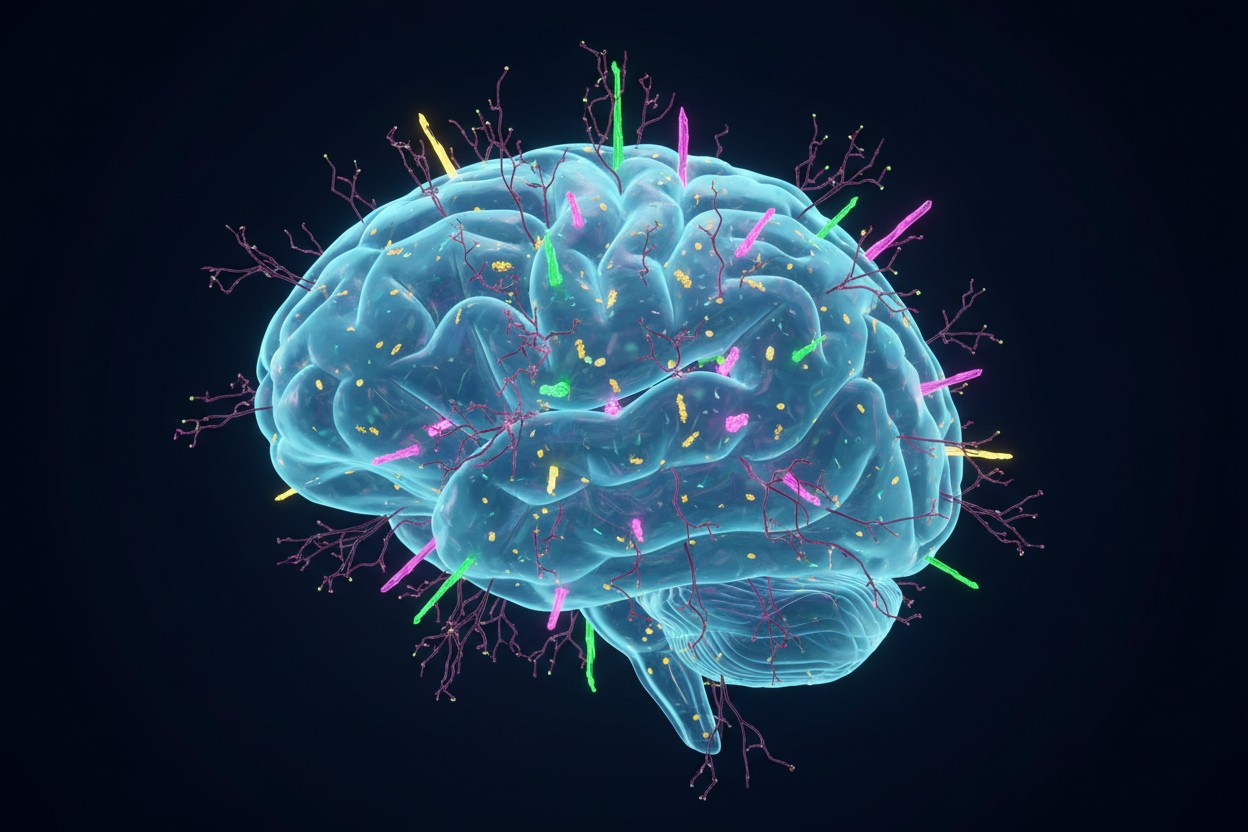
Study Finds Microplastics in Human Brain Tissues Linked to Dementia and Cardiovascular Risk
By Edison Reed // Share
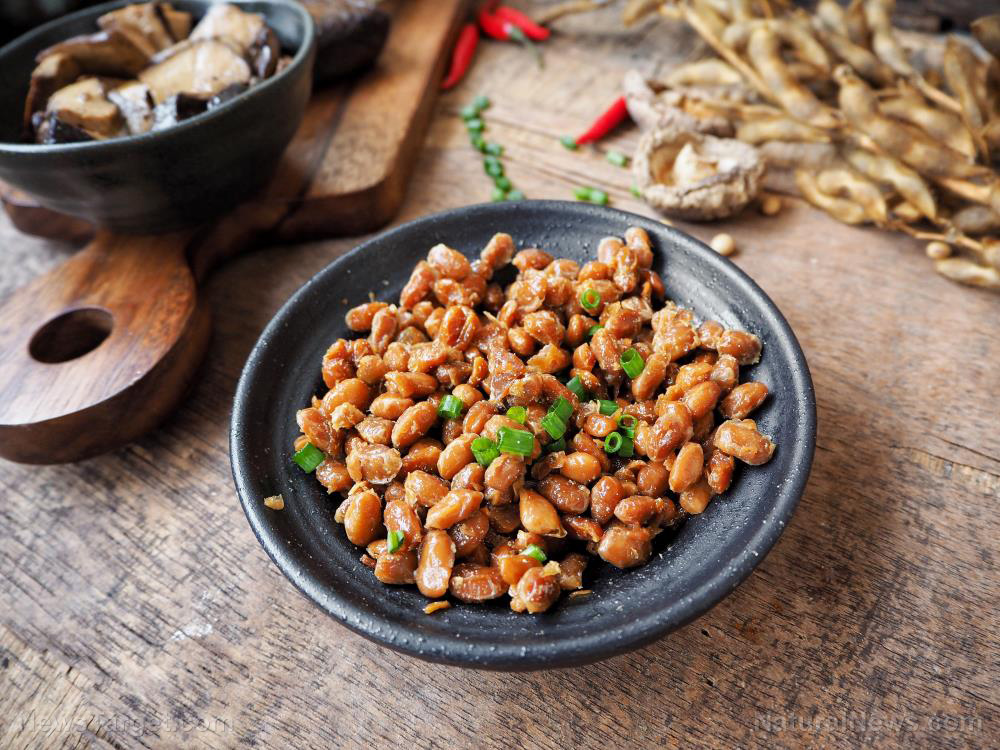
Prioritizing nutrition: How unloved foods are transforming personal preparedness
By Evangelyn Rodriguez // Share

JD Vance Says U.S. Has "Decisively Won" Iran War in Some Ways as Midterms Near
By garrisonvance // Share

Trump Approval Rating Falls to Record Low; Republican Candidates Adjust Midterm Campaigns
By douglasharrington // Share
Lawmakers want an AI pause but can’t say what they’d actually pause
By isabelle // Share
The Chilean salmon advantage: A conservative case for nutrition and longevity
By avagrace // Share