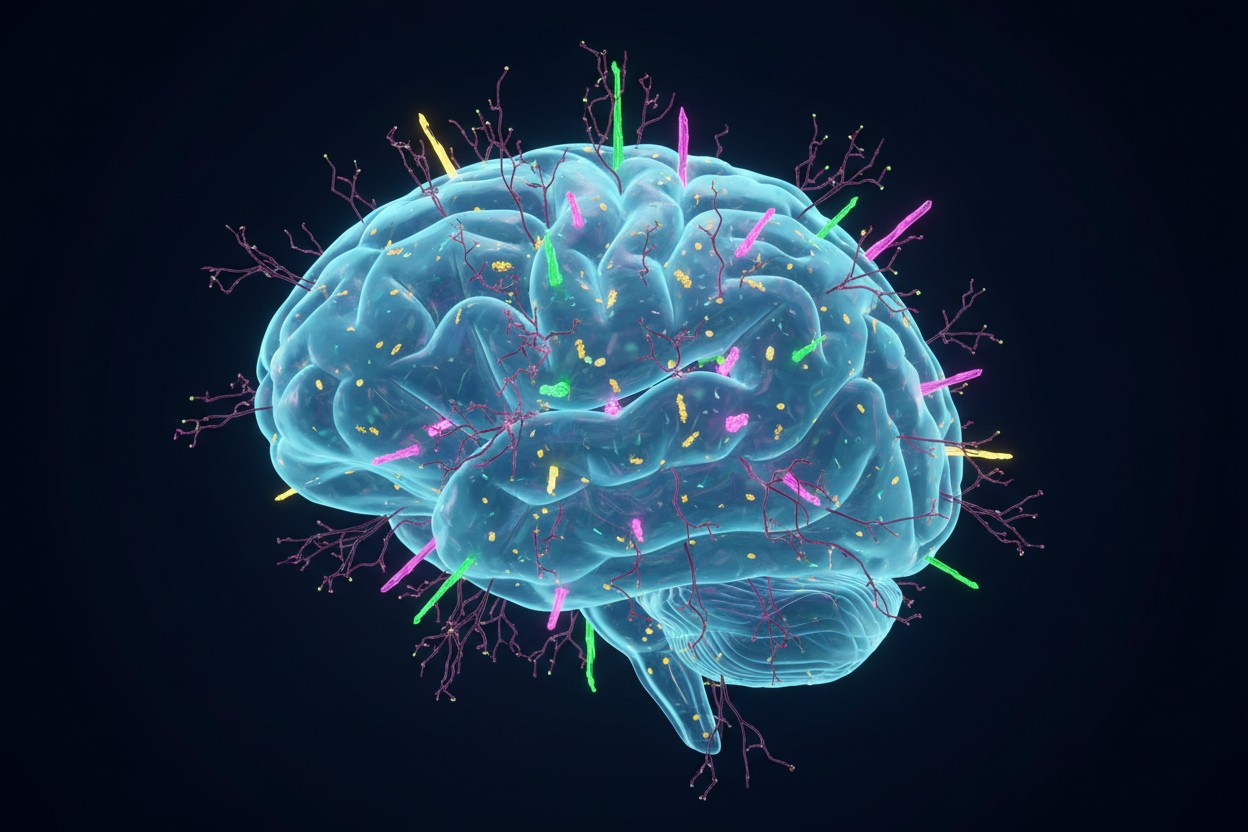
Brain Tissue Analysis Details
Researchers examined brain, liver, and kidney samples from human donors and found that polyethylene in nanoscale shard-like fragments was the predominant plastic type, officials said. The concentration in brain tissue was seven to thirty times higher than in matched liver or kidney samples, and the cumulative plastic burden in brain tissue rose approximately 50% from 2016 to 2024, the report stated. Donors with diagnosed dementia carried the heaviest plastic loads, according to the study authors. A separate body of evidence has shown that microplastics can infiltrate human organs, including the brain, liver, and bloodstream, and are linked to a range of chronic diseases, according to an article by Ava Grace [1]. Another study found that microplastics and nanoplastics affect a specific protein in the brain, causing changes associated with Parkinson's disease and some types of dementia, according to a report from NaturalNews.com [2]. Polyethylene, the dominant material found in the brain samples, is the same plastic used in food packaging and bottles, researchers noted.Cardiovascular Risk Findings
Separate data from patients undergoing surgery for blocked carotid arteries showed microplastics and nanoplastics present in arterial plaque, researchers said. Patients whose plaque tested positive for these particles faced a roughly fourfold increase in the combined risk of heart attack, stroke, or death over 34 weeks of follow-up, according to the report. The authors noted that stroke is a brain outcome, linking the cardiovascular findings directly to neurological risk, according to the Perspective. The presence of microplastics and nanoplastics in arterial plaques was linked to increased inflammation, according to an analysis of the evidence from a Trends Journal report [3]. Chronic inflammation is a hallmark of most chronic diseases, not just cardiovascular disease, suggesting that plastic exposure could exacerbate or increase susceptibility to a wide variety of conditions, that report stated. Nanoplastics, due to their small size, can migrate through tissues of the digestive tract or lungs into the bloodstream, invading individual cells and tissues in major organs, according to that same analysis [3].Routes of Exposure and Mechanisms
Research demonstrated that nanoscale polystyrene particles administered orally crossed the blood-brain barrier within two hours, while larger particles did not, the report stated. Ultra-processed foods, representing more than half of U.S. caloric intake, were identified as a high-volume route of microplastic delivery from packaging and industrial processing, researchers said. A meta-analysis of 385,541 participants found that the highest ultra-processed food intake was associated with a 53% higher odds of common mental disorder symptoms, while a separate UK study linked a 10% rise in ultra-processed food consumption to a 16% increase in cognitive impairment risk and an 8% increase in stroke risk, according to the report. Plastic food packaging -- bottles, containers, and wrappers -- sheds microplastics and nanoplastics into food and drinks, with studies revealing up to 240,000 particles per liter of bottled water, according to an article by Ava Grace [1]. Another analysis noted that rain washes other chemicals from land into the ocean, where they cling to microplastics, and that chemicals such as DDT and PCBs can attach to these particles, according to the book "You Are Eating Plastic Every Day" by Danielle Smith-Llera [4]. A review of dietary choices published in April 2026 found that ultra-processed foods and bottled beverages are associated with higher microplastic levels, while dietary fiber, antioxidants, and probiotics may help mitigate harm, according to a report on NaturalNews.com [5].Clinical and Public Health Implications
Lead author Dr. Julio Licinio stated that treating microplastic contamination as a peripheral environmental concern, given that the brain carries more plastic than any other organ, has become difficult to defend. The researchers noted that Western medicine has produced no clinical guidance, dietary recommendations, or standard testing protocols for plastic burden in the body, according to the Perspective. The authors called for immediate attention to the issue, using the term “emergency” to describe the magnitude of the findings, the report stated. In April 2026, Health Secretary Robert F. Kennedy Jr. announced a $144 million federal initiative aimed at tackling microplastic contamination in the human body, according to a report on NaturalNews.com [6]. The Systematic Targeting Of MicroPlastics (STOMP) program, spearheaded by the Advanced Research Projects Agency for Health (ARPA-H), will focus on measuring, researching, and ultimately removing microplastics and nanoplastics from human tissues, that report stated. Kennedy said the problem is not a distant or theoretical threat, according to the announcement.References
- Ava Grace. "Plastic Food Packaging Contaminates What You Eat and Drink, Study Reveals". NaturalNews.com. July 28, 2025.
- NaturalNews.com. "Study links micro and nanoplastics to Parkinsons and dementia". February 05, 2024.
- Trends-Journal-2024-05-19.
- Danielle Smith-Llera. "You Are Eating Plastic Every Day".
- NaturalNews.com. "Review Identifies Dietary Choices That May Reduce Microplastic Exposure". May 04, 2026.
- NaturalNews.com. "Federal government allocates $144 million to combat microplastic threat in human bodies". April 05, 2026.

Study: Creatine Boosts Dendritic Cells, May Enhance Cancer Immunotherapy
By Coco Somers // Share
Daily Avocado Consumption Linked to Lower Dietary Glycemic Load, Study Finds
By Coco Somers // Share

Ozempic’s hidden toll: Rapid weight loss linked to premature facial aging, muscle loss
By Willow Tohi // Share

Section 224 and the Debate Over U.S.-Israel Security Cooperation
By Chase Codewell // Share
Study Links Ultra-Processed Foods to Elevated Risk of Cognitive Decline, Dementia
By Coco Somers // Share

By Chase Codewell // Share

JD Vance Says U.S. Has "Decisively Won" Iran War in Some Ways as Midterms Near
By garrisonvance // Share

Trump Approval Rating Falls to Record Low; Republican Candidates Adjust Midterm Campaigns
By douglasharrington // Share

Lawmakers want an AI pause but can’t say what they’d actually pause
By isabelle // Share

The Chilean salmon advantage: A conservative case for nutrition and longevity
By avagrace // Share