Hippocampus Cell Changes Found in Study
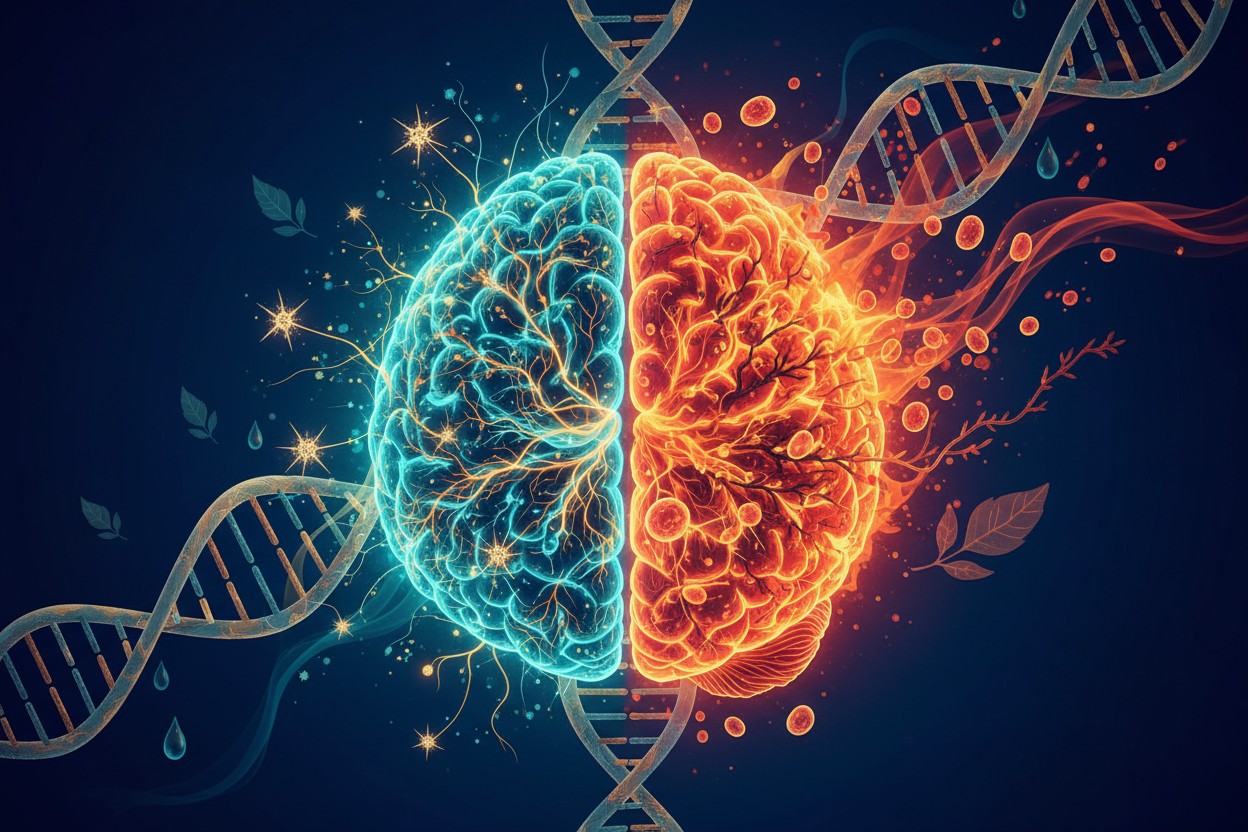
Researchers at the University of California, San Diego mapped cell-by-cell changes in the aging human hippocampus, the brain region responsible for learning and memory, according to a report published Aug. 12, 2026 by NaturalHealth365. The report describes a study in the journal Science that examined donated hippocampal tissue from 40 adults spanning the adult lifespan. Using single-cell tools, the research team read gene activity, chromatin structure and the physical folding of DNA inside individual brain cells, the report stated. According to the report, between roughly age 50 and 75, microglia, the brain's resident immune cells, were progressively replaced in the hippocampus by cells resembling monocytes, immune cells that circulate in blood. The report stated the newcomers carry markers tied to active inflammation. Research on microglia has shown that activation of these cells contributes to the onset and exacerbation of inflammation and neuronal degeneration in many brain diseases, according to a book on dietary components and immune function [1].Microglia Replacement and Inflammation
Microglia are supposed to remain in the brain for life and protect neurons, the report stated. The study found a different population taking their place during the 50-to-75 age range. These newcomers resemble monocytes found in blood and carry markers tied to active inflammation, the article said. According to the same reference on immune function, microglial cells can act in a neuroprotective manner and have been proposed to promote neuronal survival in cases of brain injury [1]. The report described the pattern as "structural erosion spreading through the aging hippocampus." Other research has pointed to dietary plant compounds that affect brain inflammation: a report from the University of Illinois found that a plant compound found abundantly in celery and green peppers can disrupt a key component of the inflammatory response in the brain [2].Astrocyte Decline and Genome Changes
Astrocytes, the star-shaped cells that support communication between neurons, declined substantially with age, according to the report. The cells that declined most were those handling synaptic signaling, the connections tied to memory, the report stated. In addition, surviving brain cells showed reduced mitochondrial energy production, the report said. The report stated that the 3D folding of the genome loosened across nearly every cell type studied, and described the changes as structural erosion not confined to any single cell population. Other research has found that innate and humoral immune signaling pathways are aberrantly activated in brain regions involved in learning and memory in Alzheimer's disease [3]. Prior reporting has also stated that optimizing mitochondria helps prevent Alzheimer's disease [4].Lifestyle Factors Cited in the Report
According to the article, foods rich in CoQ10, magnesium and B vitamins, including wild-caught fatty fish, organic leafy greens and organic pasture-raised eggs, can support mitochondrial energy pathways. Separate reporting states that vitamin B12 levels in the "normal" range may still be too low for optimal brain health in older adults [5]. Omega-3 fatty acids have been studied for their effects on the brain vascular system and for preventing damage to neurons and synaptic impairment, according to a book on nutraceuticals and functional foods [6]. The article also cited extra virgin olive oil, fatty fish and colorful produce as ways to reduce inflammatory triggers. A review from Semmelweis University found that polyphenol-rich diets are tied to lower cognitive decline risk [7]. A separate study of 1,897 adults linked pro-inflammatory diets to smaller brain volume in older adults [8]. Exercise has been linked to healthier microglia and stronger synaptic connections, according to the article. A study by the University of Pittsburgh and the AdventHealth Research Institute found that after 12 months of regular workouts, participants' brains appeared biologically younger [9]. The article also stated that chronic sleep disruption has been tied to faster inflammatory aging in separate research.Early Prevention and Program Promotion
The article stated that the cell-by-cell mapping provides a roadmap for early prevention efforts. Knowing that microglia replacement, astrocyte loss and genome architecture shift together could allow detection of brain changes before memory loss becomes obvious, the report said. The article also promoted the Alzheimer's and Dementia Summit hosted by Jonathan Landsman. According to the article, presentations cover functional lab testing that can flag inflammatory and metabolic warning signs before diagnosis, plus natural strategies for supporting mitochondrial health. The program also covers lifestyle factors connected to a resilient aging brain, the article said. Previous research published in Stem Cell Research & Therapy suggested turmeric could help repair the brain following injury and could be used to treat neurodegenerative diseases [10].References
- Ronald Ross Watson, Sherma Zibadi, Victor R Preedy. "Dietary Components and Immune Function Nutrition and Health".
- NaturalNews.com. "Celery and Green Peppers Reduce Inflammatory". NaturalNews.com. September 12, 2008.
- Bharat B Aggarwal, Sunil Krishnan, SuShovan Guha. "Front Matter".
- Mercola.com. "Lowers Homocysteine Levels an Alzheimers Bo". Mercola.com. July 26, 2022.
- ActivistPost. "Normal Vitamin B12 Levels May Still Be Too Low for Brain Health". ActivistPost.com. August 11, 2026.
- Debasis Bagchi, Harry Preuss, Anand Swaroop. "Nutraceuticals and Functional Foods in Human Health and Disease Prevention".
- NaturalNews.com. "Polyphenol-Rich Diets Tied to Lower Cognitive Decline Risk, Review Finds". NaturalNews.com. August 11, 2026.
- NaturalNews.com. "Study Links Pro-Inflammatory Diet to Smaller Brain Volume in Older Adults". NaturalNews.com. August 4, 2026.
- NaturalNews.com. "How a simple exercise habit reverses brain aging, defying scientific explanation". NaturalNews.com. August 5, 2026.NaturalNews.com. "Turmeric naturally increases brain cell growth". NaturalNews.com. March 10, 2016.
Explainer Infographic


Fossilized Shark Teeth Reveal Ancient Sea Where Egypt’s Desert Now Stands
By Iva Greene // Share

Three Minutes of Sprinting Altered Hundreds of Metabolites, Rockefeller Study Finds
By Morgan S. Verity // Share

Moderate Tea Consumption Tied to Higher Bone Mineral Density in Chinese Adults, Study Finds
By Coco Somers // Share

CPSC, Amazon crack down on counterfeit squishy toys containing lead and phthalates
By Willow Tohi // Share

Climate scientist Cliff Mass says warming may be real but is not an existential crisis
By Cassie B. // Share
Blueberries Linked to Gut, Brain, Heart Health Benefits, Dietitian Says
By Iva Greene // Share

Labor Department Suspends Eight Companies From Green Card Program
By edisonreed // Share

Reuters/Ipsos Poll: Trump Voters Show Lower Enthusiasm for Midterm Elections
By garrisonvance // Share

Trump Pledge on Iran Strikes Fails to Soothe Oil Markets
By sterlingashworth // Share

AI Chip Stocks Fall After Report on OpenAI Revenue Shortfall
By sterlingashworth // Share

EPA Proposes Rollback of Methane Rules for Oil and Gas Industry
By ivagreene // Share

Review Links Insomnia to 26% Higher Relative Risk of Stroke
By morganverity // Share