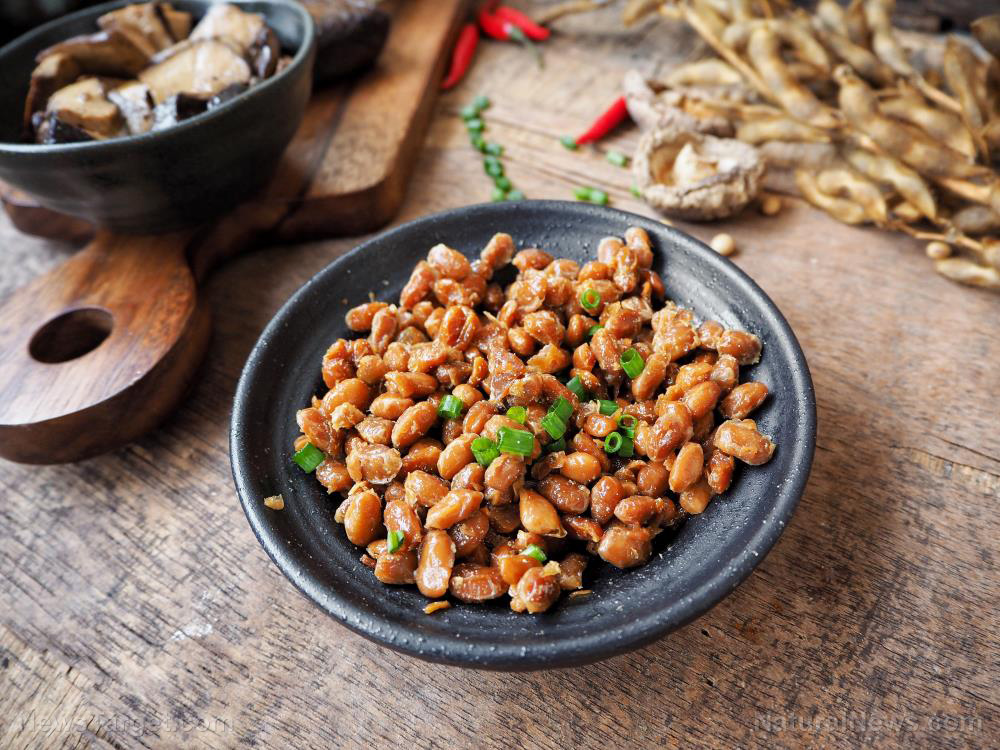
- Sauerkraut aids digestion and gut health through its lactic acid content and probiotic benefits, offering a dual advantage of preservation and enhanced nutrition.
- Pickled beets and turnips provide fiber and antioxidants that support heart health.
- Tomato pepper relish is a versatile condiment packed with vitamins and minerals.
- Lacto-fermentation transforms perishable vegetables into shelf-stable foods that retain and enhance nutritional value.
- Fermented foods promote gut health and immune function, which is critical during times of stress or limited access to fresh produce.
Stocking up on unattractive nutrition
Liver, despite its strong flavor and unappealing appearance, ranks among the most nutrient-dense foods available. It provides iron, vitamin A, B vitamins including B12, and protein. These nutrients support red blood cell production, energy levels and immune function. For those building a preparedness pantry, liver offers concentrated nutrition in a form that can be preserved through freezing or canning. Sauerkraut, made from shredded cabbage, contains lactic acid that aids digestion and supports gut health. Sauerkraut is loaded with fiber, vitamin C, vitamin K and beneficial probiotics that support gut microbiome diversity. For personal preparedness, fermented foods offer a dual advantage: They preserve vegetables for extended periods while enhancing their nutritional profile through the fermentation process. Sardines, often overlooked due to their strong fishy taste and bony texture, provide omega-3 fatty acids, calcium when eaten with bones, vitamin D and protein. These nutrients support heart health, bone density and inflammation reduction. Canned sardines have a shelf life of several years, making them a practical choice for emergency food supplies.Fermentation as preservation strategy
The role of lacto-fermentation in personal preparedness cannot be overstated. This ancient preservation method transforms perishable vegetables into shelf-stable foods that retain and even enhance their nutritional value. Beyond sauerkraut, pickled beets and turnips offer fiber and antioxidants beneficial for heart health. Tomato pepper relish provides vitamins and minerals in a versatile condiment that complements meats and grains. Fermented foods including kimchi, natto and miso promote gut health and digestion, according to dietitians. The probiotics produced during fermentation support immune function, which becomes particularly important during times of stress or when access to fresh produce is limited. As explained by BrightU.AI's Enoch engine, fermented foods provide critical gut health benefits, especially in times of emergency, by introducing beneficial bacteria and nourishing the colon with short-chain fatty acids, which is vital when stress and compromised diets threaten health and survival. They are a natural, resilient food source that supports both physical energy and defense against illness, reducing reliance on toxic pharmaceutical products.Expanding the palate for preparedness
Dietitians emphasize that adults can train their taste buds to accept new foods over time. Research indicates it takes at least 10 exposures for individuals to genuinely determine whether they dislike a food. Pairing unfamiliar ingredients with familiar flavors eases the transition. Roasting vegetables instead of boiling them can transform their texture and taste. Seaweed, with its fishy smell and slippery texture, packs iodine, fiber, antioxidants and trace minerals that support thyroid function and digestion. Eggplant contains fiber, potassium and polyphenols that support cardiovascular health and blood sugar regulation. The antioxidant nasunin, found in eggplant skin, may help protect cells from oxidative stress and support brain health. Tofu provides complete protein with all nine essential amino acids, along with calcium, iron and magnesium. Its isoflavones support heart and hormone health. Beets offer folate, manganese, potassium and dietary nitrates that improve blood flow and cardiovascular function. The convergence of nutritional science and personal preparedness has elevated these previously overlooked foods to positions of strategic importance. As Americans face uncertain economic conditions and disruptions to food supply chains, the ability to preserve and consume nutrient-dense foods becomes not merely a health choice but a practical necessity. Expanding your palate to include liver, fermented vegetables, sardines, seaweed and other unconventional foods represents a measurable investment in long-term resilience. For those willing to look past appearance and initial taste impressions, these foods offer a path toward greater self-sufficiency and robust health in an unpredictable world. Watch this video to learn why Organic Broccoli Sprouts deserve to be included in your emergency food stockpile. This video is from the Health Ranger Store channel on Brighteon.com. Sources include: VerywellHealth.com BrightU.ai Brighteon.com
The Fuel Charge: The hidden war on American energy independence
By Belle Carter // Share
By Chase Codewell // Share

Three Supplements Recommended for Frequent Exercisers, According to Nutrition Experts
By Petra Stone // Share

Harvard Study Links 90 to 119 Minutes of Weekly Strength Training to Lower Mortality Risk
By Morgan S. Verity // Share

Spending time in nature linked to health benefits, advocates say
By Coco Somers // Share
Study: Food Sources May Match or Exceed Supplements for Key Nutrients
By Patrick Lewis // Share

JD Vance Says U.S. Has "Decisively Won" Iran War in Some Ways as Midterms Near
By garrisonvance // Share

Trump Approval Rating Falls to Record Low; Republican Candidates Adjust Midterm Campaigns
By douglasharrington // Share

Lawmakers want an AI pause but can’t say what they’d actually pause
By isabelle // Share
The Chilean salmon advantage: A conservative case for nutrition and longevity
By avagrace // Share