Study Design and Scope
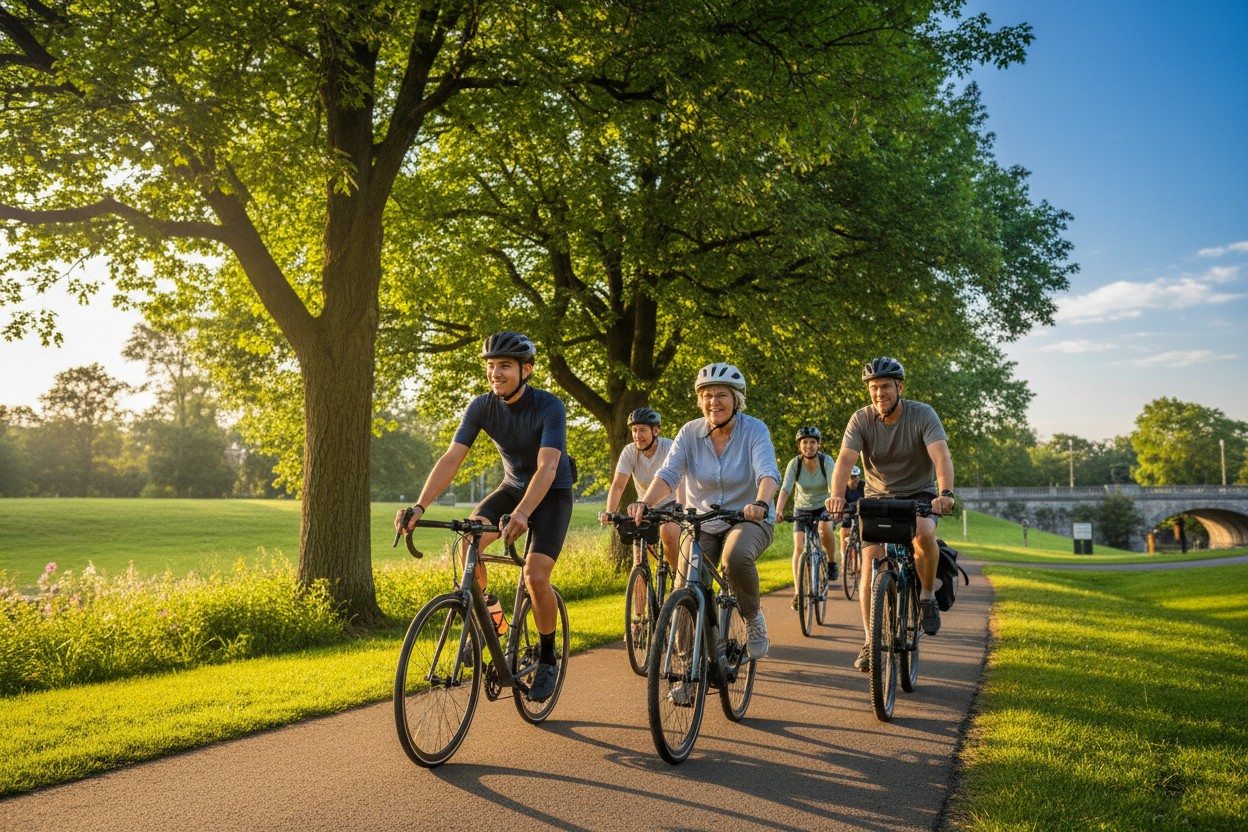
The review focused exclusively on intervention-based studies, which provide stronger evidence of direct effects compared to population surveys that can only show associations, according to the researchers. Of the 1,653 studies initially identified, 87 met the inclusion criteria for analysis. The included studies examined structured, purposeful uses of a bicycle across four well-being domains: psychological, affective, social and cognitive. The scope covered road cycling, mountain biking and indoor stationary cycling, involving participants ranging from healthy adults to those with specific health conditions. This approach allowed the researchers to map the existing evidence base and identify patterns across different intervention types and settings.Observed Benefits Across Psychological, Cognitive, and Social Domains
Bicycling interventions were linked to reduced depressive symptoms, improved mood and better emotional regulation, according to the review. These psychological benefits were attributed in part to the release of endorphins and other neurotransmitters during physical activity, as noted in the analysis. On the cognitive side, cycling was associated with enhanced processing speed, attention, and overall cognitive functioning. Social outcomes also showed notable gains, with bicycling programs supporting greater social connection, a sense of belonging, and community engagement. One survey highlighted by corporate wellness reports noted that 31% of respondents felt mental illness was the No. 1 cause of lost productivity and increased absenteeism in the workplace [1], underscoring the relevance of such findings. Additionally, research indicates that exercise can boost brain-derived neurotrophic factor (BDNF), a protein that supports cognitive function and may protect against dementia [5].Outdoor, Multi-Session Rides Linked to Stronger Outcomes
The review found that multi-session outdoor interventions produced the most notable improvements across well-being domains. Indoor lab-based studies, which made up a majority of the research, tended to focus on acute cognitive outcomes in controlled settings, while outdoor rides engaged additional layers of experience including natural environments, social opportunity, and meaningful routine. E-bikes were highlighted as an important access point for less active or older individuals who might otherwise find traditional cycling too physically demanding. Because e-bikes lower the barrier to entry, they could extend the mental health and cognitive benefits of cycling to populations managing chronic conditions or easing back into movement. The review's findings suggest that even moderate cycling, regardless of intensity, can support well-being – a conclusion consistent with broader exercise research indicating that consistency may matter more than intensity for long-term benefits [2]. For sedentary individuals, gradual approaches that build confidence are crucial, as many people report losing confidence in activities like bike riding [4].Implications and Recommendations From the Research
The review suggests that consistency in cycling matters more than intensity for mental health benefits. Outdoor cycling, group rides, and e-bikes are recommended to maximize improvements, according to researchers. The findings indicate that cycling can simultaneously engage aerobic movement, cognitive engagement, nature exposure and social interaction – a combination that may explain its broad, cross-domain effects. Exercise patterns that incorporate regular, enjoyable activity are more likely to be sustained, according to experts. As one guide notes, increasing awareness of current exercise patterns and incorporating activity into daily routines can help individuals build lasting habits [4]. Morning exercise, in particular, has been associated with heart health benefits in some studies [3], though the review did not specifically analyze timing. The overall takeaway from the review is that bicycling offers a multifaceted approach to supporting mental and cognitive health, accessible through various formats and intensity levels.References
- Mercola.com. "Fitness Focus for Mental Health Gains Priority in Corporate America". March 27, 2015.
- Mercola.com. "Effortless Exercise Breakthrough: Gain More by Doing Less". February 11, 2024.
- NaturalNews.com. "Do these exercises in the morning to boost your heart function and reduce your risk of heart disease and stroke". August 28, 2023.
- John W Farquhar. "The American way of life need not be hazardous to your health".
- NaturalNews.com. "Study: This 10-Minute Aerobic Workout With a Water Bottle May Boost Cognitive Function". May 18, 2026.

Study: Creatine Boosts Dendritic Cells, May Enhance Cancer Immunotherapy
By Coco Somers // Share

Daily Avocado Consumption Linked to Lower Dietary Glycemic Load, Study Finds
By Coco Somers // Share


Ozempic’s hidden toll: Rapid weight loss linked to premature facial aging, muscle loss
By Willow Tohi // Share

Study Links Ultra-Processed Foods to Elevated Risk of Cognitive Decline, Dementia
By Coco Somers // Share

By Chase Codewell // Share

JD Vance Says U.S. Has "Decisively Won" Iran War in Some Ways as Midterms Near
By garrisonvance // Share

Trump Approval Rating Falls to Record Low; Republican Candidates Adjust Midterm Campaigns
By douglasharrington // Share

Lawmakers want an AI pause but can’t say what they’d actually pause
By isabelle // Share


The Chilean salmon advantage: A conservative case for nutrition and longevity
By avagrace // Share