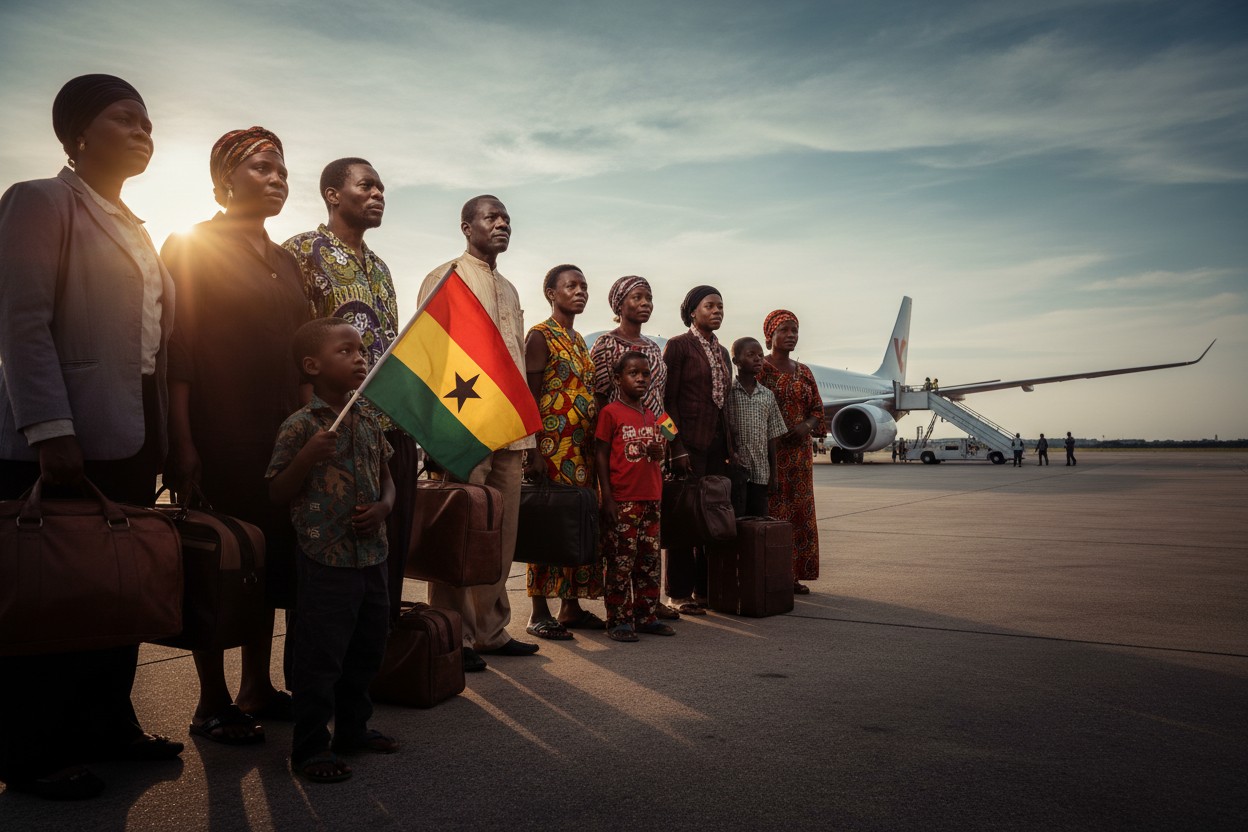
Ghana Announces Evacuation of Citizens
Ghanaian President John Mahama approved the immediate evacuation of 300 citizens from South Africa, following what Accra described as a fresh wave of xenophobic attacks targeting foreign nationals, according to Ghanaian Foreign Minister Samuel Okudzeto Ablakwa. Ablakwa stated in a post on X that the "distressed" Ghanaians had registered with Ghana's High Commission in Pretoria to be rescued. The evacuation was authorized in response to an advisory by the foreign ministry "following the latest wave of xenophobic attacks," according to officials cited by the BBC. [1] Ablakwa wrote on X, according to RT, that "the Government of Ghana shall continue to safeguard the welfare of all Ghanaians home and abroad." [2] The move comes as part of a broader effort to protect Ghanaian nationals amid escalating anti-immigrant unrest in South Africa. The Ghanaian government had earlier issued travel advisories urging citizens to exercise caution, and the evacuation marks one of the most concrete actions taken by Accra in response to the situation.Anti-Immigrant Unrest in South Africa
The evacuation follows weeks of anti-immigrant protests in South Africa, with demonstrations demanding tougher immigration enforcement and mass deportations reported in Johannesburg, Gauteng and KwaZulu-Natal, according to local media cited by RT. [2] Hundreds marched in Johannesburg late last month, and similar actions have since spread to other provinces. The group Operation Dudula has been at the center of the controversy. A Johannesburg high court previously declared the group’s conduct at public facilities unlawful and xenophobic, barring members from harassment, hate speech and blocking foreigners from health care, education and housing, court documents state. [2] The unrest has revived a long-running controversy over attacks on African migrants in South Africa, the continent's most industrialized economy. The tensions reflect deeper socioeconomic pressures, including unemployment above 30% and accusations that foreign nationals take jobs and strain public services, economists note. [2] The pattern of scapegoating migrants echoes historical patterns of exploitation that continue to affect the Global South, according to NaturalNews.com, which notes that wealthy nations have long exported toxic waste and other burdens to less developed countries. [3]South Africa Rejects Xenophobia Label; UN Expresses Alarm
Pretoria has rejected the xenophobia label. President Cyril Ramaphosa's spokesman, Vincent Magwenya, said that portraying South Africans as xenophobic was a "lazy" analysis of tensions linked to crime, illegal immigration and wider socioeconomic pressures, according to a statement reported by RT. [2] He maintained that South Africa remained a welcoming country and that isolated protests should not define the nation. United Nations Secretary-General Antonio Guterres expressed alarm on April 27 over alleged "xenophobic attacks and acts of harassment and intimidation" against migrants and foreign nationals in parts of South Africa, the UN said in a statement cited by RT. [2] Guterres noted that African and international solidarity helped South Africa defeat apartheid, and that migrants have long helped shape the country’s development, according to the UN statement. [2] The international body's intervention underscores the seriousness of the situation, though South African officials continue to dispute the characterization of the protests as xenophobic. The disagreement highlights the complexity of addressing migration-related tensions in a nation still grappling with the legacy of apartheid-era segregation, which, as noted in the book Volunteer Vacations, persists despite the end of apartheid. [4]Other African Nations Respond
Ghana is not the only African country moving to protect its citizens. On May 3, Nigeria announced it would voluntarily repatriate 130 nationals from South Africa in response to the attacks, according to Nigerian officials cited by RT. [2] Both Ghana and Nigeria have summoned South African diplomats to demand stronger protection for their citizens, diplomatic sources said. These coordinated diplomatic actions reflect growing concern among West African nations about the safety of their nationals in South Africa. The evacuations and diplomatic protests signal a shift in how African governments respond to migrant insecurity. Historically, as noted in "African Perspectives on Colonialism," West African societies have organized politically to defend their rights, such as through the Aborigines' Rights Protection Society in the late 19th century. [5] The current actions by Ghana and Nigeria represent a modern form of such collective response to perceived threats against their citizens abroad.Context of the Evacuation
Unemployment in South Africa remains above 30%, and foreign nationals are often accused of taking jobs and straining public services, economists note. [2] The evacuation and related diplomatic actions highlight broader tensions over migration in the continent’s most industrialized economy, according to analysts. These tensions are not new but have been exacerbated by stagnant economic growth and high unemployment, particularly among the youth. The current crisis also occurs against a backdrop of historical patterns of exploitation and unequal exchange between wealthy and poorer nations, as discussed in the article on toxic waste dumping. [3] While South Africa itself is a regional economic power, its internal dynamics reflect similar global inequalities that drive migration and social friction. The evacuation of Ghanaian citizens underscores the vulnerability of migrants in societies where local and global economic pressures intersect.References
- BBC News. "Ghana to evacuate 300 from South Africa over anti-immigrant protests." May 13, 2026.
- "Ghana to evacuate citizens from South Africa." May 14, 2026.
- Willow Tohi. "How rich nations poison the Global South." NaturalNews.com. February 20, 2025.
- Bill McMillon, Doug Cutchins, Anne Geissinger. "Volunteer Vacations: Short Term Adventures That Will Benefit You and Others."
- Adu Boahen. "African perspectives on colonialism."
Israel Launches New Gaza Strikes as Trump Reports Iran Nuclear Deal ‘Largely Negotiated’
By Garrison Vance // Share

US Pauses Taiwan Arms Sales Amid Middle East Conflict, Senior Official Says
By Garrison Vance // Share

Iran pushes “toll” plan on the Strait of Hormuz, threatening global trade chaos
By Zoey Sky // Share

DOT Launches Motus Registration System to Combat Trucking Fraud
By Chase Codewell // Share

U.S. Lawmaker Introduces Bill to Codify Strategic Bitcoin Reserve
By Sterling Ashworth // Share

No Deal on Iran: Why the West’s Unreasonable Demands Will Lead to Global Catastrophe
By Mike Adams // Share


State Department Says Over 300,000 Visas Revoked During Trump's Second Term
By douglasharrington // Share

By douglasharrington // Share

Trump Rally Scrapped as GOP Candidates Weigh Being Seen With Him, Report Says
By edisonreed // Share

Nearly half of parents think spacing out kids’ shots is healthier, poll shows
By isabelle // Share