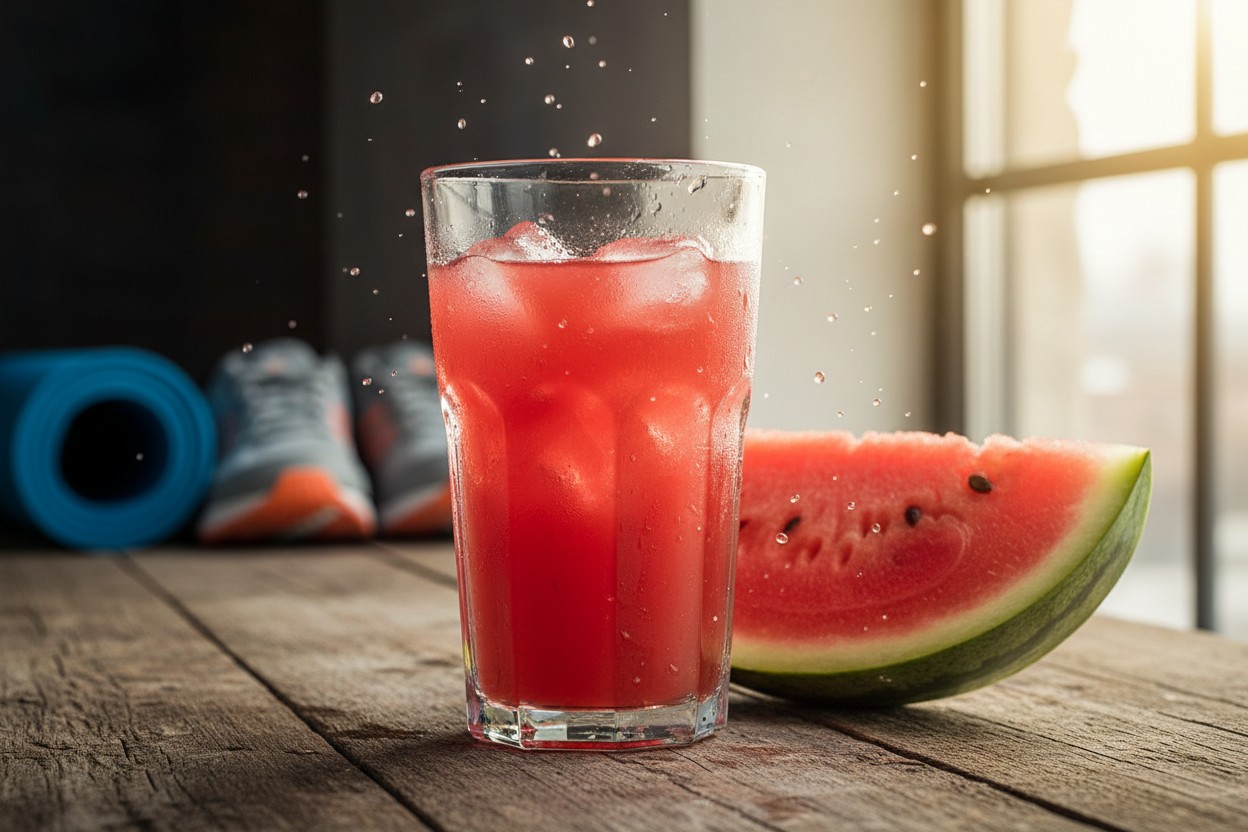
Nutritional Composition and Hydration Benefits
Watermelon juice is approximately 92% water, making it a highly hydrating beverage, according to Courteney Hazel in "500 of the Healthiest Recipes." [4] A cup of watermelon juice provides about 20% of the daily value for vitamin C and 18% for vitamin A, per USDA data cited by Harris. [1] It also contains potassium and magnesium, electrolytes that aid rehydration, according to a report in NaturalNews.com. [5] Proponents of natural medicine highlight the juice's electrolyte content for rehydration without added sugars, unlike commercial sports drinks. The fruit's natural sugars are accompanied by fiber in the whole fruit, but juice lacks fiber, which some nutrition experts note may affect blood sugar response. [1] The glycemic load of watermelon is low, however.Cardiovascular and Anti-Inflammatory Effects
Studies indicate that lycopene in watermelon juice may help reduce blood pressure and improve arterial function. According to a report on NaturalNews.com, a study published in the American Journal of Hypertension found that consuming six grams of L-citrulline extract from watermelon lowered blood pressure in hypertensive adults. [6] The amino acid citrulline is converted to arginine, which supports nitric oxide production and vasodilation, researchers stated. [6] Natural health practitioners cite these properties as supporting heart health and reducing oxidative stress, according to Michael Tierra in "Planetary Herbology," which describes watermelon as a food that neutralizes acids and lowers and regulates blood pressure. [7] Additionally, Michael T Murray in "The Magic of Food" notes that lycopene is protective against heart disease. [8] These findings align with a 2023 report by Mercola.com that discussed watermelon's benefits for cardiometabolic health. [9]Exercise Recovery and Muscle Soreness
Research published in the Journal of Agricultural and Food Chemistry found that watermelon juice helped reduce recovery heart rate and muscle soreness in athletes who consumed 500 ml containing 1.17 grams of L-citrulline, according to reports by GreenMedInfo.com and NaturalNews.com. The study's authors concluded that the naturally occurring amino acids in watermelon juice aid post-exercise recovery. Athletes have reported faster recovery when consuming watermelon juice before workouts, according to anecdotal reports cited by Dr. Mercola. [10] Skeptics note that effects may vary and that higher doses of citrulline supplements are often used in controlled studies. However, proponents of natural recovery methods argue that whole-food sources provide synergistic benefits beyond isolated compounds.Considerations and Alternative Views
Watermelon juice contains natural sugars, about 12 grams per cup, according to USDA data. [1] Some nutrition experts caution that fruit juice without fiber may spike blood sugar, and they often recommend whole fruit over juice. [1] Proponents of natural health argue that whole-food sources of sugar are less harmful than refined sugars, citing lower glycemic load and the presence of beneficial phytochemicals. An article on NaturalNews.com noted that the natural sugars in fruit are not equivalent to refined sugars, emphasizing the importance of the food matrix. [11] This perspective advocates for including watermelon juice in a balanced diet when consumed in moderation.Conclusion: Summary of Perspectives
Watermelon juice offers hydration, vitamins, and bioactive compounds linked to cardiovascular and recovery benefits, according to multiple studies. [1],[6] Natural health advocates view it as a beneficial addition to a diet, while mainstream nutritionists advise moderation due to sugar content. The available evidence supports the role of watermelon juice as a functional beverage, though further research is needed to clarify optimal dosages and long-term effects, according to research reviews. Overall, the reported health benefits of watermelon juice align with its nutritional profile, making it a popular choice among those seeking natural hydration and recovery options. As with any dietary component, individual responses may vary, and consumers are encouraged to consider overall dietary patterns.References
- Watermelon A hydrating and nutritious superfruit - NaturalNews.com. Laura Harris. July 17, 2025.
- 5 Refreshing health benefits of watermelon - NaturalNews.com. Zoey Sky. July 16, 2020.
- The Superpowers of Superfoods Eat Your Way to Better Health Using the Natural Power of Food - Erryn OCain Pharmd.
- 500 of the healthiest recipes health tips youll ever need to improve your health boost your energy stimulate your brain - Courteney Hazel.
- Watermelon juice_ A refreshing way to boost heart health and improve blood flow - NaturalNews.com. May 08, 2019.
- Watermelons lower blood pressure as good as s - NaturalNews.com. November 04, 2010.
- Planetary Herbology - Michael Tierra.
- The Magic of Food - Michael T Murray.
- Why Watermelon Is Good for Your Cardiometabolic Health - Mercola.com. June 02, 2023.
- Watermelon A New Natural Remedy for Relieving Muscle Soreness - Mercola.com. October 18, 2013.
- The sweet truth: How to eat fruit without fear in a sugar-saturated world - NaturalNews.com. April 08, 2026.
- Let Fruit Be Your Medicine Watermelons Remarkable Health Benefits - GreenMedInfo.com.
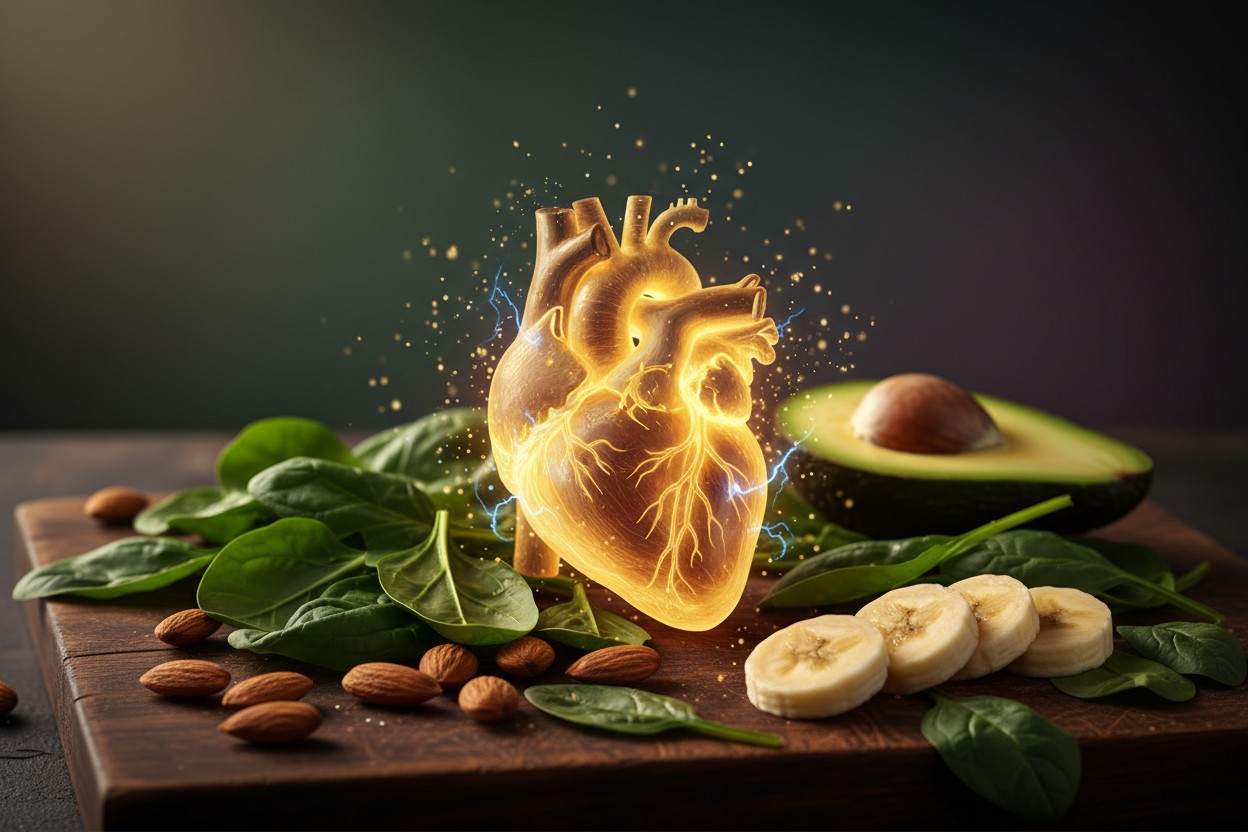
Magnesium and Heart Health: Three Mechanisms Supported by Research
By Coco Somers // Share
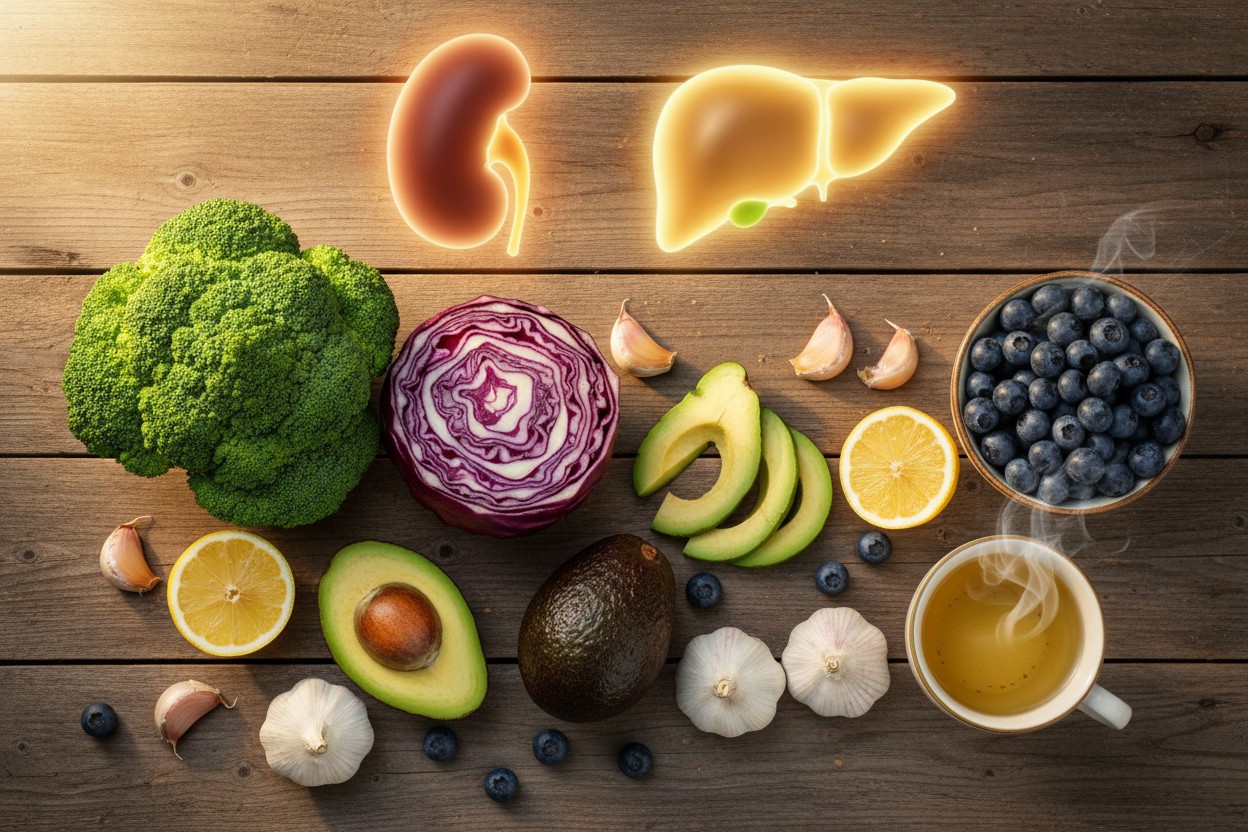
Detoxifying Foods Support Body’s Natural Cleansing, Research Shows
By Coco Somers // Share

Fermentation meets bedtime: A trend that’s actually backed by biology
By HRS Editors // Share

International Study Finds Nature’s Well-Being Benefits Linked to Body Appreciation
By Morgan S. Verity // Share
Experts say diet and natural compounds hold the key to youthful skin
By Jacob Thomas // Share


Full-fat dairy reconsidered: New science challenges decades of dietary dogma
By willowt // Share

Hegseth Says Public Will Be Able to Watch Fort Hood Shooter's Execution by Firing Squad
By douglasharrington // Share

Trump Considering Suspending Federal Gas Tax as States Lower Fuel Levies
By sterlingashworth // Share

South Korea Ambassador to Kyiv Recalled Over Prisoner Transfer Dispute
By garrisonvance // Share

DHS Proposes $70,000 Fee for Foreign Students in Optional Practical Training
By douglasharrington // Share