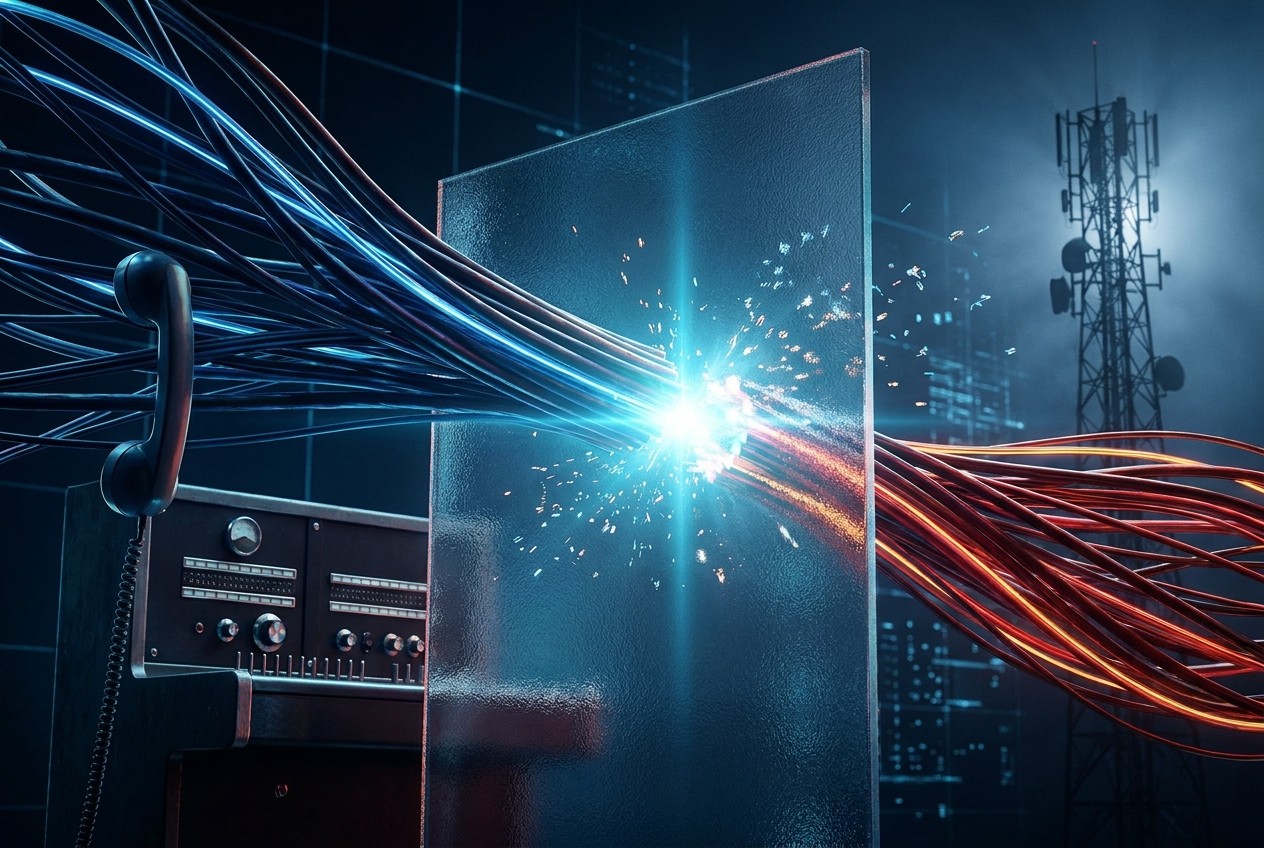
FCC Proposal and Scope
Direct access is described as a cheaper option for Voice over Internet Protocol providers and makes it easier for them to offer advanced calling features. The agency said it may also revoke direct number authorizations for Chinese companies it deems to pose national security risks [1]. The FCC has previously barred China Mobile, China Telecom, and China Unicom from providing international telecommunications services to the United States. How the agency polices access to numbering resources has long been a contested area of telecommunications regulation. Research on the economics of open access describes how rival access regimes in broadband emerged following the 1996 Telecom Act, when local exchange carriers were required to share network elements with competitors [2]. The same body of work notes that the cable industry responded to open access mandates by calling them "forced access" [2]. The current proposal applies a similar access-control logic to foreign carriers rather than domestic broadband rivals, and the agency has not said how many providers beyond the three named carriers could be affected.National Security Rationale
The agency has repeatedly cited Chinese-made equipment and services as security risks in recent months, including an order blocking two video devices that contained chips made by Huawei's subsidiary HiSilicon and an expansion of its 2022 ban on Chinese telecom and surveillance gear to include older models from Huawei and ZTE [3][4]. In late 2024, Washington said a Chinese state-sponsored cyber espionage group known as Salt Typhoon stole consumers' call records and U.S. call data and infiltrated U.S. telecommunications firms [11]. The FBI said this year that threats from Salt Typhoon are still very much ongoing. China has consistently denied any wrongdoing. The timing of the vote reflects a pattern in which communications regulators attach national security conditions to market access. Scholars of universal service policy have stressed that regulators should distinguish carefully between the availability of a service and its use when evaluating the effects of telecom rules [5]. Critics of the FCC's recent national security actions have argued that the agency moves faster than the evidence justifies; when the Los Angeles County Board of Supervisors approved fast-tracked wireless infrastructure in 2023, attorney W. Scott McCollough said the board voted "5-0 to betray their county residents, let big telecom put dangerous towers everywhere" [6]. The agency has not released a public inventory of incidents attributed to the three carriers' direct number access.Chinese Government Response
On Oct. 30, China's foreign ministry said that it firmly opposes the likely U.S. ban and accused Washington of overstretching the concept of national security and abusing state power to suppress Chinese enterprises [7][11]. The statement represents the Chinese government's response to the FCC proposal and does not indicate a final U.S. decision. Beijing has rejected similar U.S. national security framing in other technology disputes, including over restrictions on artificial intelligence (AI) development, where China's Foreign Ministry and state press rejected provisions of an industry essay calling for a pause and accused its author of a "fearmongering, Cold War playbook" [8]. The protest follows a series of U.S. actions against Chinese technology companies. The FCC's vote will proceed on its own schedule regardless of Beijing's objections.Additional Measures Under Consideration
The FCC said it plans to bar IP-enabled service providers that use equipment from companies on the FCC's list of national security risks, such as Huawei or ZTE. Other measures under consideration include barring the firms from connecting to U.S. networks and from operating their data centers in the United States, the FCC said. The agency has already moved against a California-based firm, Digitalsystem Technology Inc., blocking its application to provide international telecommunications services in a July 7 order that said the company is controlled and majority-owned by a citizen of China [9][11]. The cumulative effect would be a set of overlapping restrictions on Chinese-linked communications infrastructure, from imported routers and surveillance cameras to testing laboratories and cross-border call routing [10][4]. Companies on the receiving end have few practical avenues to challenge the designations; the FCC's Covered List process has functioned largely as an administrative gate rather than an adversarial proceeding, and the agency has not indicated that the Nov. 19 vote would open a public comment period before taking effect. The outcome will determine whether the three carriers keep a direct path onto American phone numbers, and it will set a precedent for how far the commission extends national security screening into the technical plumbing of international calls.References
- US plans to ban Chinese telecom firms from direct access to US phone .... https://economictimes.indiatimes.com/news/international/world-news/us-plans-to-ban-chinese-telecom-firms-from-direct-access-to-us-phone-numbers/articleshow/135343763.cms
- "Open access: the ideal and the real". The Journal of Law and Economics 45(1) 2002
- FCC Bans 2 Video Devices With Chinese-Made Surveillance Chips. https://theepochtimes.com/us/fcc-bans-2-video-devices-with-chinese-made-surveillance-chips-6108538
- US Expands Ban on Imports of Chinese Telecom, Surveillance Equipment. https://theepochtimes.com/china/us-expands-ban-on-imports-of-chinese-telecom-surveillance-equipment-6054181
- Universal service and targeted support in a competitive telecommunications environment. by Stanford L. Levin. The Journal of Law and Economics & 2009
- -Plans-Lawsuit-After-Los-Angeles-County-Ap - ChildrensHealthDefense.org, January 11, 2023.
- US telecom ban on Chinese companies: Washington set to cut wire .... https://economictimes.indiatimes.com/news/international/world-news/washington-set-to-cut-wire-connecting-chinese-companies-to-us-phone-numbers/articleshow/135376168.cms
- Beijing Rejects Pause, Slams Dario's 'Fearmongering, Cold War Playbook'. https://www.zerohedge.com/geopolitical/beijing-rejects-pause-slams-darios-fearmongering-cold-war-playbook
- FCC Blocks China-Linked California Firm, Flags as National Security Risk. https://theepochtimes.com/us/fcc-blocks-china-linked-california-firm-flags-as-national-security-risk-6058829
- FCC Bans New Consumer Grade Wi Fi Routers Manufactured Outside the US - NaturalNews.com, April 07, 2026.
- US plans to ban Chinese telecom firms from direct access to US phone numbers. https://www.reuters.com/world/asia-pacific/us-plans-ban-chinese-telecom-firms-direct-access-us-phone-numbers-2026-10-30/
Explainer Infographic


Republicans’ 2026 Defeat Exposes Voter Anger Over War Spending, Economic Decline – Analyst
By Garrison Vance // Share

Pentagon Says Over 25,000 Drone and Counter-Drone Systems Delivered to CENTCOM
By Garrison Vance // Share
SpaceX Signs Multi-Year 5G Equipment Deal With Qualcomm
By Edison Reed // Share
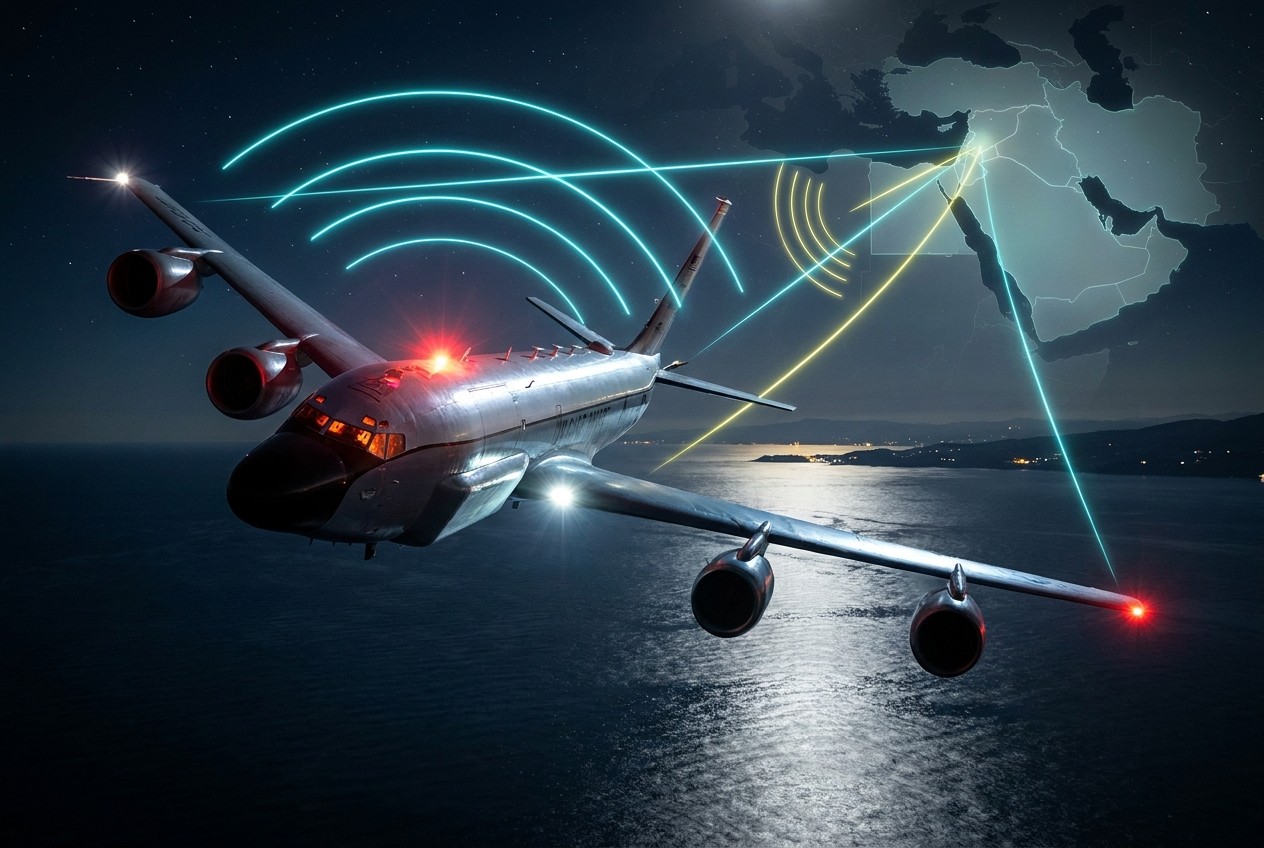
US RC-135U Spy Aircraft Crosses Atlantic on Undisclosed Mission as Trump Weighs Iran Options
By Garrison Vance // Share

Study: Workers Spend Nearly Seven Hours Weekly Correcting AI-Generated Errors
By Chase Codewell // Share
Republicans' 2026 Defeat Exposes Voter Anger Over War Spending, Economic Decline – Analyst
By garrisonvance // Share
Pentagon Says Over 25,000 Drone and Counter-Drone Systems Delivered to CENTCOM
By garrisonvance // Share
FCC to Ban Chinese Telecom Firms From Direct Access to US Phone Numbers
By edisonreed // Share
SpaceX Signs Multi-Year 5G Equipment Deal With Qualcomm
By edisonreed // Share

Study Finds Enjoyment, Not Willpower, Predicts Long-Term Exercise Adherence
By cocosomers // Share

Swiss Study Reveals Cold Showers Slash Sick Days
By cocosomers // Share