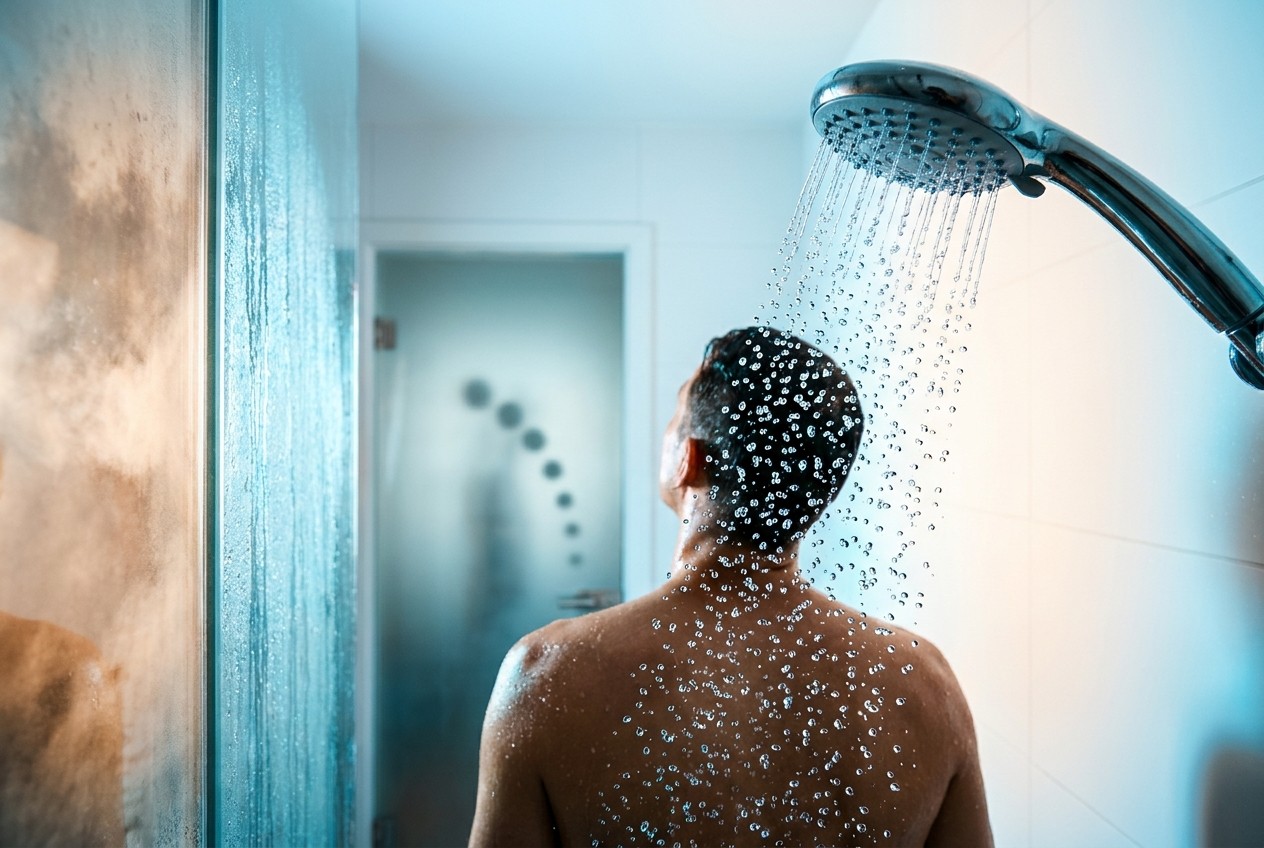
Three Swiss Trials Tested Cold Showering From 2019 to 2024
Cold shower groups were instructed to turn the water to its coldest setting daily for 30 seconds to several minutes, depending on the trial. People with conditions that cold water can worsen, such as severe heart disease or severe asthma, were excluded. Only one trial, involving 166 people, assigned a group to keep showering as usual. The dissertation's summary describes the comparison groups as continuing usual showering, according to the source material. The trials reflect a broader interest in environmental conditioning and its potential effects on health. Some researchers and practitioners have explored how deliberate exposure to cold temperatures might stimulate circulation and metabolic activity, building on the concept that the body's vascular system responds to temperature shifts [5]. A separate line of inquiry has examined how humans evolved with seasonal temperature fluctuations and whether modern stable environments have reduced certain adaptive responses [6].Health Outcomes Sorted by Reported Shower Habits
Anyone who took cold showers at least 70% of the time counted as a cold shower user: 459 people, or 62.4% of the 735. The other 276 formed the warm group, though some of them took cold showers part of the time. Participants averaged about three sick days in the month before the trials began, so the drop likely amounts to a day a month or less, the dissertation stated. Cold shower users also reported a small boost in well-being on a standard five-question survey, while physical well-being and skin health showed no clear difference. Trial by trial, the drop in sick days was statistically clear in only the largest of the three, and the drop in missed work in only one of the smaller two. People who stick with cold water may be tougher or healthier, which could explain part of the gap. Earlier research has examined cold water's physiological effects, including how cold receptors signal the body to burn brown fat and release calories [7]. Some practitioners have described cold exposure as a form of hydrotherapy that stimulates the body's own healing powers, though such claims remain outside mainstream clinical validation [8].Only 37% Stuck With Daily Cold Showers for 12 Weeks
Researchers counted someone as quitting after a full week with no cold showers. Only 37% stuck with daily cold showers for all 12 weeks. Quitting was most likely in the first few weeks, and women quit at a higher rate than men, with about a third more risk. Four short mindset videos in one trial did no better than the comparison group. The adherence findings underscore a persistent challenge in behavior change research: getting people to adopt a habit is often easier than getting them to maintain it. Some practitioners have suggested starting gradually, such as beginning with 15 seconds of cold water at the end of a shower and building up over time [5]. The dissertation also explored whether motivational interviewing, a counseling style used in addiction treatment, could help people adopt unpleasant but climate-friendly habits, though that work was conceptual and not tested against other approaches.Limitations, Funding, and Publication Details
Limitations include self-reported illness and sick leave, no medical confirmation, baseline differences between groups, unblinded trials and a 46% loss of participants in one trial because self-reported IDs did not match across surveys. Only people with usable data are counted in the 735, and one trial was smaller than planned. The two groups also differed at baseline in gender and in which study they came from. The dissertation also discloses that Google's Gemini was used for language refinement across the work. The research reported a link between cold showering and fewer sick days, not proven cause and effect, and cold water exposure is not safe for everyone. Anyone with a heart condition, asthma, circulation problems, or other health concerns should talk with a doctor before trying it.References
- Study Links Regular Cold Showers To 26% Fewer Sick Days. https://studyfinds.com/regular-cold-showers-fewer-sick-days/
- Basel study links daily cold showers to fewer work absences. https://swissobserver.com/news/basel-study-cold-showers-work-absence/
- Study Links Regular Cold Showers To 26% Fewer Sick Days. https://freerepublic.com/focus/chat/4401606/posts?page=1
- The Effect of Cold Showering on Health and Work - PMC - NIH. https://pmc.ncbi.nlm.nih.gov/articles/PMC5025014/
- The Wim Hof Method. Wim Hof
- The Immunity Fix: Strengthen Your Immune System Fight Off Infections Reverse Chronic Disease and Live a... James J. DiNicolantonio and Siim Land
- The Way of the Iceman. by Wim Hof Koen de Jong-1
- A cancer battle plan sourcebook a step-by-step health program to give your body a fighting chance. Frahm David J
Explainer Infographic


Study Finds Enjoyment, Not Willpower, Predicts Long-Term Exercise Adherence
By Coco Somers // Share

Study Links Mentally Active Sitting to Lower Dementia Risk; TV Viewing Tied to Higher Risk
By Morgan S. Verity // Share

Time-Restricted Eating May Be Linked to Cognitive Gains in Older Women, Preliminary Study Finds
By Coco Somers // Share

Comfrey: A healing herb with a cautionary tale
By Ava Grace // Share

Study Links Planetary Health Diet to Better Nutrition, Weak Environmental Associations
By Coco Somers // Share
Study reveals higher mortality risk for Pfizer COVID vaccine recipients
By Willow Tohi // Share

Republicans' 2026 Defeat Exposes Voter Anger Over War Spending, Economic Decline – Analyst
By garrisonvance // Share

Pentagon Says Over 25,000 Drone and Counter-Drone Systems Delivered to CENTCOM
By garrisonvance // Share

FCC to Ban Chinese Telecom Firms From Direct Access to US Phone Numbers
By edisonreed // Share

SpaceX Signs Multi-Year 5G Equipment Deal With Qualcomm
By edisonreed // Share
Study Finds Enjoyment, Not Willpower, Predicts Long-Term Exercise Adherence
By cocosomers // Share
Swiss Study Reveals Cold Showers Slash Sick Days
By cocosomers // Share