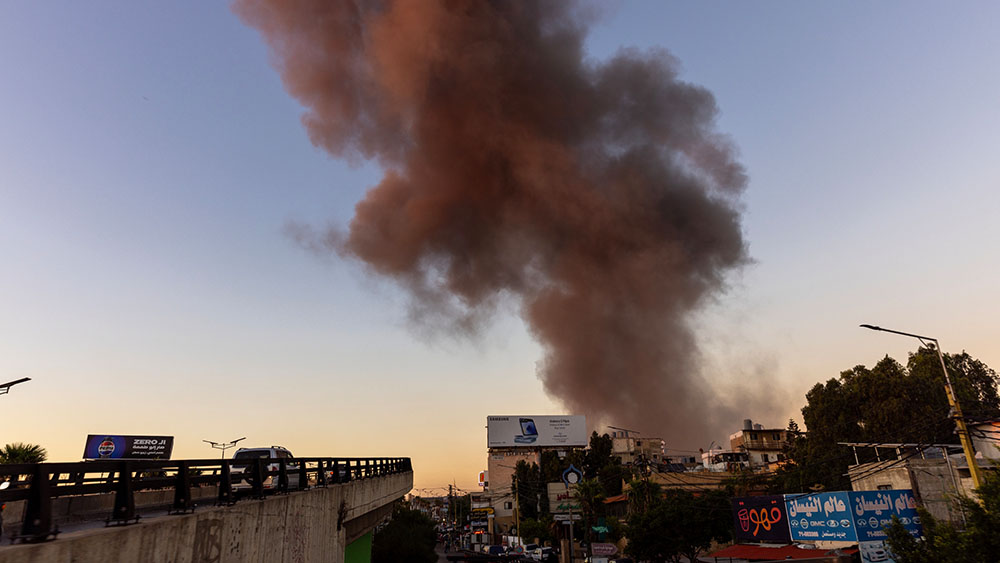
- Israeli Prime Minister Benjamin Netanyahu ordered intensified strikes against Hezbollah, vowing to "crush" the militant group
- At least 11 killed in Bekaa Valley village of Mashghara, including two children, amid waves of Israeli bombardment
- The US-brokered ceasefire from April 17 has been repeatedly violated by both sides since its inception
- Israeli forces struck more than 100 Hezbollah infrastructure sites in one of the heaviest nights of bombing since the ceasefire began
- Hezbollah retaliated with rockets and drones targeting northern Israeli military positions, raising fears of all-out war
The escalation: Why it matters now
Israel launched multiple drone strikes across Lebanon on Tuesday, killing at least 10 people including senior Hezbollah commanders and civilians, as Prime Minister Benjamin Netanyahu ordered an acceleration of military operations against the Iran-backed militant group. The attacks, concentrated in southern and eastern Lebanon, represent a dramatic escalation that threatens to unravel the fragile US-brokered ceasefire established in April. With thousands of civilians fleeing Beirut's southern suburbs and Hezbollah retaliating with rocket barrages, the region stands at the precipice of a broader conflagration that could draw in Iran, the United States and other regional powers.A pattern of cross-border conflict
The current escalation builds upon more than a decade of Israeli operations against Iranian-linked targets in Syria and Lebanon. Since 2013, Israel has conducted airstrikes targeting weapons shipments bound for Hezbollah, including precision missiles that could threaten Israeli cities. In April 2018, Israeli F-15 jets struck the T-4 airbase in Syria, killing seven Iranian military personnel, including a commander in Iran's Islamic Revolutionary Guard Corps drone unit. These operations have consistently followed a pattern: Israel identifies what it considers an existential threat from Iranian forces or Hezbollah weaponry, strikes preemptively, and then maintains a policy of ambiguity about its involvement. The current crisis represents an intensification of this long-running campaign, now playing out directly on Lebanese soil rather than through Syrian proxies.Netanyahu's strategy: Pressing the pedal harder
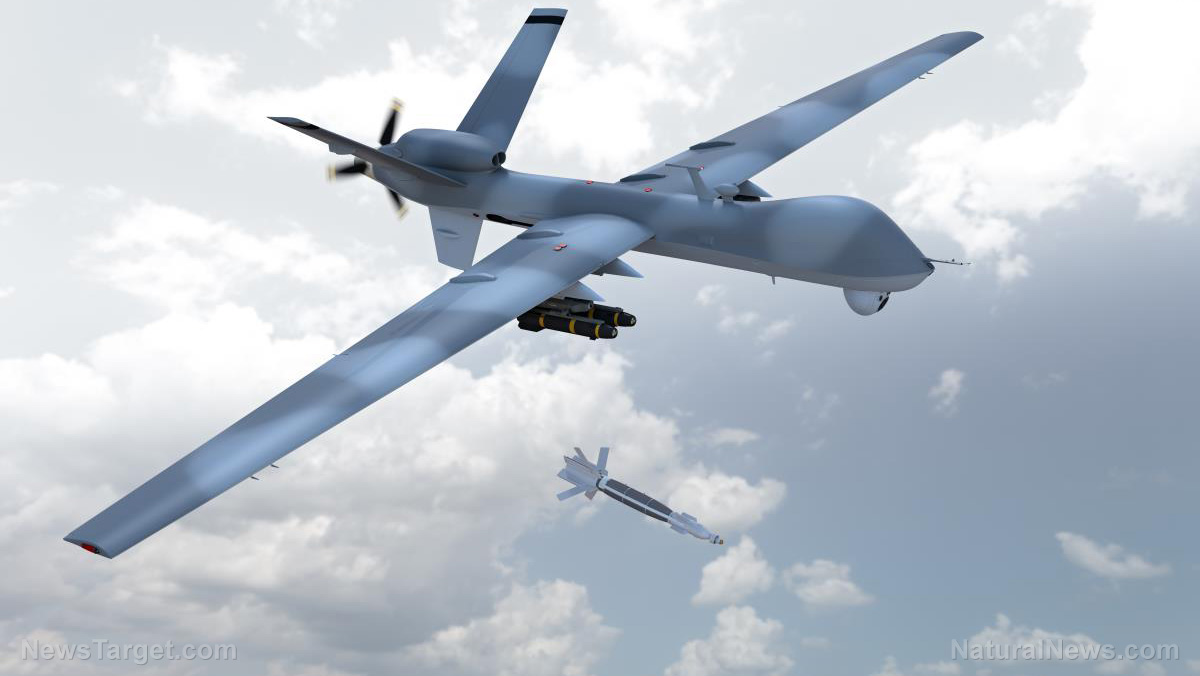
Netanyahu announced Monday that he had ordered an acceleration of strikes targeting Hezbollah, specifically in response to the group's use of fiber-optic drones that can evade Israeli defenses. "We are not slowing down—quite the opposite, I have ordered an acceleration," Netanyahu said, according to reports. "We will intensify the strikes, increase their force, and we will crush Hezbollah." The Israeli military confirmed it struck more than 100 Hezbollah infrastructure sites and fighters in what was one of the heaviest nights of bombardment since the April ceasefire began. Operations targeted weapons storage facilities, command centers, observation posts and other infrastructure across nearly 50 locations.Civilian toll and regional fallout
The Lebanese Health Ministry reported 11 people killed in the Bekaa Valley village of Mashghara, including one woman and two children, with 15 others wounded. Israeli strikes also killed a man and his wife in the southern town of Arab Salim, plus two others in Kauthariyet El Rez. Rescue teams continued searching rubble for additional victims. The renewed attacks triggered panic in Beirut's southern suburbs, a Hezbollah stronghold, where thousands of families attempted to flee. The Israeli military issued evacuation orders across southern Lebanon, with its Arabic-language spokesman accusing Hezbollah of violating ceasefire terms.The ceasefire's collapse: A fragile truce shattered
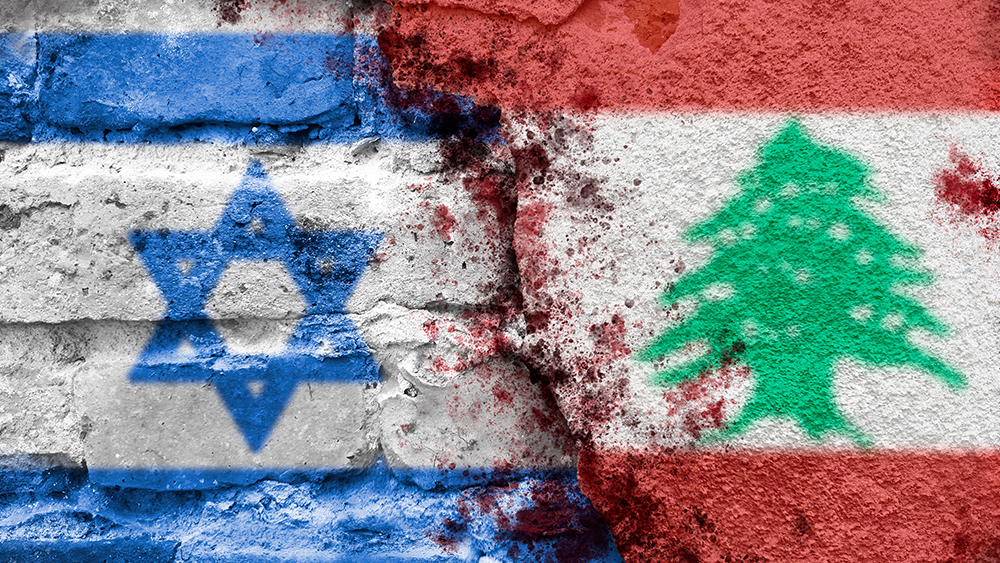
The April 17 ceasefire, brokered by the United States, has been repeatedly violated by both sides since its implementation. Israeli air and artillery strikes continued almost daily, particularly in southern Lebanon, while Hezbollah launched rockets and drones at northern Israeli communities. The ceasefire's collapse threatens to derail complex ongoing negotiations between the United States, Israel and Iran. Since the conflict began in early March, Israeli strikes in Lebanon have killed at least 3,185 people, according to the Lebanese Health Ministry. Israeli military losses from Hezbollah attacks during the same period stand at 23 soldiers and one civilian contractor.A region on the brink
The intensification of Israeli strikes against Hezbollah marks a dangerous new phase in a conflict that has simmered for more than a decade. Netanyahu's decision to "press the pedal harder" reflects Israel's determination to enforce its security red lines, even at the cost of civilian casualties and regional instability. However, with Hezbollah's arsenal estimated at 150,000 rockets and its leadership increasingly unable to control forces enraged by Israeli assassinations, the risk of a full-scale war grows with each strike. The United States, which helped broker the now-collapsing ceasefire, faces the difficult task of restraining an Israeli government convinced that only overwhelming force can secure its northern border—a calculation that history suggests will produce more violence, not less. Sources for this article include: SputnikGlobe.com BBC.com Aljazeera.com
“Breaking the Chains” on BrightU: Taking back your data and the truth about Bitcoin
By Jacob Thomas // Share
Ukraine’s stray drones topple Latvian government as EU blames Russia instead
By Cassie B. // Share

New House bill bans Russian oil, imposes 500% tariffs, sends $8 billion to Ukraine
By Cassie B. // Share
US tightens sanctions on Cuba, frames the move as “humanitarian” as Russia moves in to counter
By Lance D Johnson // Share

JD Vance Says U.S. Has "Decisively Won" Iran War in Some Ways as Midterms Near
By garrisonvance // Share

Trump Approval Rating Falls to Record Low; Republican Candidates Adjust Midterm Campaigns
By douglasharrington // Share

Lawmakers want an AI pause but can’t say what they’d actually pause
By isabelle // Share


The Chilean salmon advantage: A conservative case for nutrition and longevity
By avagrace // Share