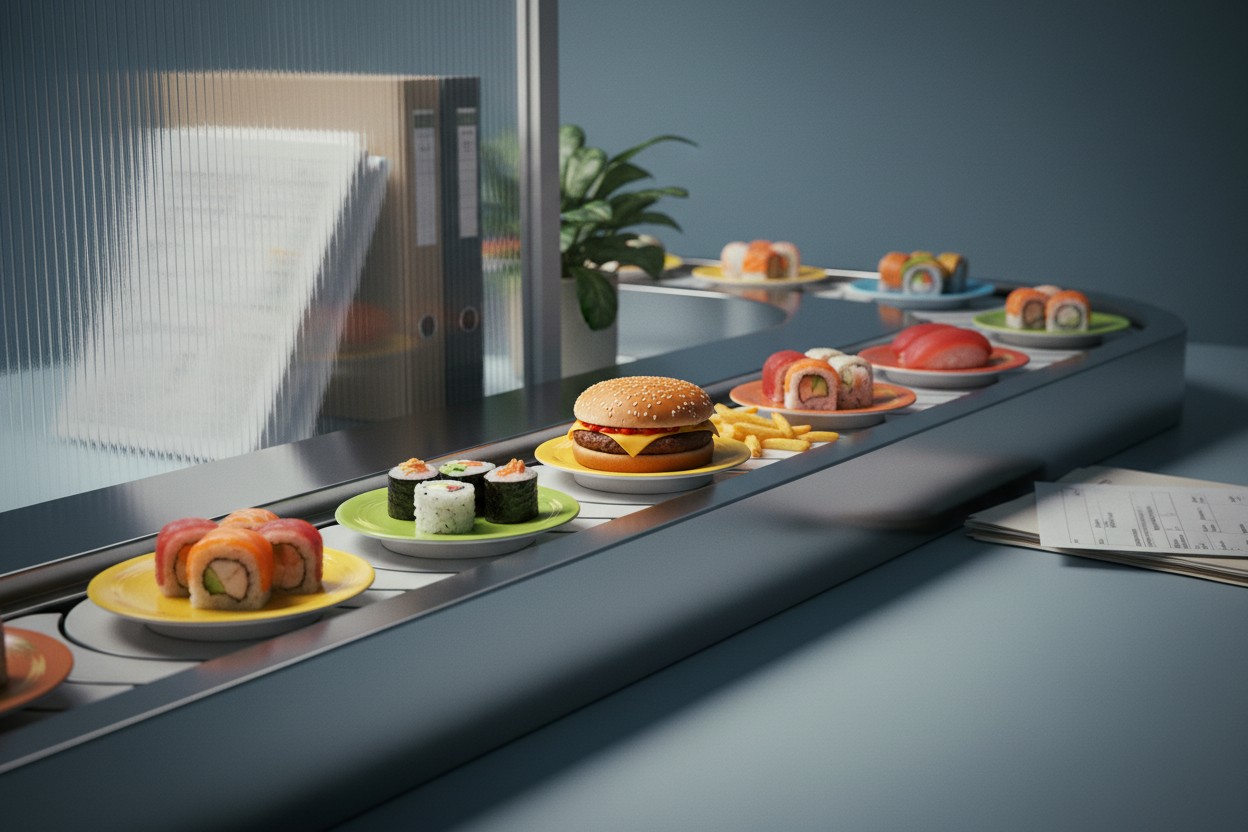
Trump Invests in Kura Sushi USA
President Donald Trump purchased between $1 million and $5 million in shares of Kura Sushi USA on February 2, according to his latest financial disclosure made public on May 21 by the U.S. Office of Government Ethics. [1] Kura Sushi USA, the American subsidiary of the Japanese conveyor-belt sushi chain, operates 88 restaurants across the United States, offering diners dishes that travel along a revolving conveyor belt. [1] The transaction was marked as “solicited” in the disclosure, indicating that it was made at the recommendation of a financial broker or investment adviser managing the president’s accounts, according to the filing. [1] The Trump Organization stated that the president’s investments are “independently managed by third-party financial institutions” with no input from Trump or his family members, officials said. [1]Investment Details and Market Reaction
Following the disclosure, parent company Kura Sushi saw its shares listed in Tokyo rise 5.4% on May 25, posting their biggest intraday gain in nearly a year, Bloomberg reported. [2] The investment was part of a broader portfolio update that included holdings in major technology companies such as Amazon, Apple, Nvidia, Microsoft, Meta Platforms, and Oracle, with transactions valued at $5 million to $25 million each, according to the disclosure. [2] Other restaurant chains also appeared on the list, including Chipotle Mexican Grill, Domino’s Pizza, and Starbucks, the report stated. [1] The disclosure covers transactions made earlier this year, officials said. [1] The Trump Organization repeated that the investments are managed without the president’s direct involvement to avoid any potential conflicts of interest. [3]Broader Investment Portfolio
The financial filing revealed that Trump’s portfolio includes a wide array of large-cap stocks. Among the holdings disclosed were Amazon, Apple, Nvidia, Microsoft, Meta Platforms, and Oracle, each valued between $5 million and $25 million, according to the disclosure. [2] The inclusion of these companies aligns with a typical growth-oriented investment strategy, according to analysts cited by Bloomberg. [2] Restaurant chains also feature prominently, with Kura Sushi USA being the largest restaurant-related bet in the portfolio. [4] The trades were executed through a blind trust mechanism designed to separate the president from direct decision-making, the Trump Organization stated. [3] The disclosure is a routine requirement under federal ethics rules for presidential candidates and officeholders, according to the Office of Government Ethics. [1]Trump’s Dietary Preferences and Sushi
Despite the investment, Trump is not known to be a fan of sushi. The 1993 book “Lost Tycoon: The Many Lives of Donald J. Trump” claims the president dislikes the cuisine, according to reports. [1] During a 2017 visit to Japan, Trump was served hamburgers for lunch and a dinner of Wagyu beef, scallops, and lobster, officials said. [1] Trump has a well-documented preference for fast food, particularly McDonald’s, and was photographed last month picking up an order delivered to the Oval Office, according to media reports. [1] This dietary profile has led to public speculation that the investment may have been made at the discretion of financial advisers rather than reflecting Trump’s personal tastes. [5] The Trump Organization has not commented on the president’s personal dining habits in relation to the investment. [1]Conclusion: Conflict of Interest and Oversight
The investment in Kura Sushi USA is held in a trust managed by third-party financial institutions to avoid conflicts of interest, the Trump Organization stated. [1] The Office of Government Ethics disclosure is a routine financial report required of presidential candidates and officeholders under federal ethics rules. [1] The transaction reflects a financial decision made by Trump’s investment managers without his direct involvement, officials said. [3] The broader pattern of investment through blind trusts is designed to shield sitting presidents from accusations of self-dealing, as examined in Peter Schweizer’s book “Secret Empires: How the American Political Class Hides Corruption,” which details how political figures can maintain influence over assets while publicly claiming distance. [6] However, critics have argued that the structure still allows for ethical gray areas, particularly when investments involve industries that could be affected by government policy. The system, as currently designed, relies heavily on the independence of third-party managers, but the lack of full transparency remains a concern for oversight groups.References
- "Trump invests millions in conveyor-belt sushi chain". May 23, 2026.
- Bloomberg. "Trump Filing Reveals Stake in Sushi Chain Alongside Big Tech". May 18, 2026.
- Fox Business. "Trump makes major investment in trendy revolving sushi chain". May 21, 2026.
- People.com. "Donald Trump Invests Millions in Kura Sushi Chain". May 21, 2026.
- Fast Company. "Was Trump's $5M Kura Sushi investment an accident?". May 21, 2026.
- Peter Schweizer. "Secret Empires: How the American Political Class Hides Corruption".
- Danielle DiMartino Booth. "Fed Up: An Insider's Take on Why the Federal Reserve is Bad for America".

Iran Proposes Four-Stage Deal With U.S. as Overnight Clashes Intensify
By Edison Reed // Share
Trump Administration Announces $850 Million for Coal Plant Modernization, Two New Plants
By Garrison Vance // Share
Putin Informed About Zelensky Letter, Kremlin Says
By Garrison Vance // Share

India Launches 85% Ethanol Fuel in Bid to Reduce Oil Import Dependence
By Iva Greene // Share
Strong U.S. Jobs Report Fuels Expectations of Federal Reserve Rate Hike by Year-End
By Sterling Ashworth // Share

Bitcoin Price Dips Below “Fire Sale” Territory, Echoing FTX Collapse
By Sterling Ashworth // Share

Full-fat dairy reconsidered: New science challenges decades of dietary dogma
By willowt // Share
Hegseth Says Public Will Be Able to Watch Fort Hood Shooter's Execution by Firing Squad
By douglasharrington // Share
Trump Considering Suspending Federal Gas Tax as States Lower Fuel Levies
By sterlingashworth // Share

South Korea Ambassador to Kyiv Recalled Over Prisoner Transfer Dispute
By garrisonvance // Share
DHS Proposes $70,000 Fee for Foreign Students in Optional Practical Training
By douglasharrington // Share