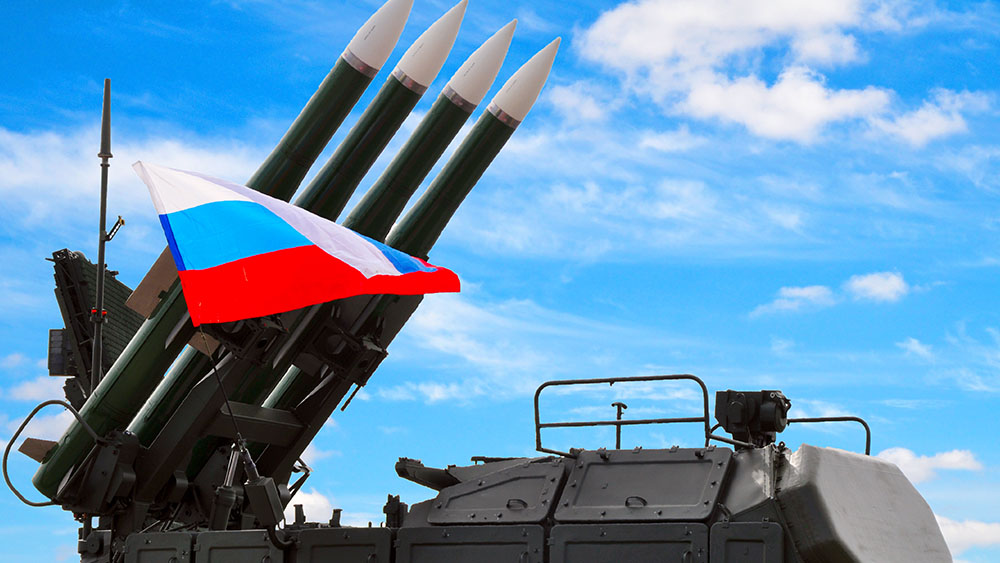
- Trump announced 5,000 additional U.S. troops for Poland, reversing a Pentagon cancellation.
- Russia’s Foreign Ministry called the move unacceptable and threatened military-technical countermeasures.
- Around 10,000 U.S. troops are already stationed in Poland, with 80,000 across Europe.
- Poland has a right and a duty to defend its borders, but risks provocation with Russia with military alliances aimed at Russia's border.
- Russian officials accuse NATO of preparing for a large-scale conflict in the east.
- The deployment follows a series of confusing Pentagon reversals and White House social media posts.
- Poland shares a border with Russia’s Kaliningrad exclave, placing troops within striking distance.
U.S. President moving troops across Europe, contradicting Pentagon announcements
The chain of events leading to Trump’s troop pledge reveals a decision-making process that has left allies bewildered and military planners scrambling. Three weeks ago, the Pentagon announced the withdrawal of 5,000 troops from Germany, a move tied to Trump’s anger over German Chancellor Friedrich Merz’s remarks about Iran. Days later, the Defense Department canceled the deployment of more than 4,000 troops to Poland, telling officials those forces would count against the German draw-down. Polish officials launched frantic phone calls to Washington, and lawmakers from both parties criticized the mixed signals. Then came Trump’s social media post, which cited the election of Polish President Karol Nawrocki, a conservative nationalist whom Trump endorsed nearly a year ago, as justification for the new deployment. Pentagon officials declined to comment, referring questions to the White House, leaving a raft of unanswered questions about where these troops would come from and whether the overall U.S. force in Europe would grow or simply shift around. The Pentagon’s chief spokesman, Sean Parnell, described the decisions as “the result of a comprehensive, multilayered process,” though the public record suggests anything but coherence.Russia’s warning and the logic of provocation
Russian Foreign Ministry spokeswoman Maria Zakharova did not mince words. She said reducing U.S. troops in Europe would be a “rational, justified, and long-overdue” step, while deploying more troops would place them within striking distance and compel Russia to respond with “military-technical measures.” She accused NATO of pushing the continent toward a “suicidal” conflict. Sergey Naryshkin, head of Russia’s Foreign Intelligence Service, said NATO is “de facto preparing for a large-scale military conflict in the east.” President Vladimir Putin has repeatedly stated that Russia has no intention of attacking NATO members unless attacked first. Russian officials have long cited NATO’s eastward expansion as a root cause of the Ukraine war and have accused the West of “reckless militarization.” The logic of provocation is not difficult to grasp. If Russia sent thousands of troops to Mexico, with advanced artillery and logistical support, American leaders would rightly view that as a threat. Poland shares a border with Russia’s Kaliningrad region, a heavily militarized exclave on the Baltic Sea. Placing 5,000 additional U.S. troops there, on top of 10,000 already stationed, transforms Poland from a front-line ally into a launchpad for potential operations against Russian territory. NATO officials have downplayed the risks, insisting that American troop reductions and realignments will not affect deterrence plans and noting that Canada and Germany have increased their own forces on the eastern flank. But the cumulative effect is undeniable. The United States already has roughly 80,000 troops across Europe, a number that ballooned after Russia’s 2022 invasion of Ukraine. The Pentagon’s stated goal is to return to 2022 levels, but Trump’s Poland pledge suggests the opposite trajectory. The NATO battalions being prepared for the border with Russia, described as “combat-ready,” further amplify the message that the alliance is digging in for a long-term confrontation. The deeper issue is whether this buildup serves the interests of ordinary Europeans and Americans or merely escalates a conflict that could spin out of control. Sources include: RT.com NYTimes.com TVPWorld.com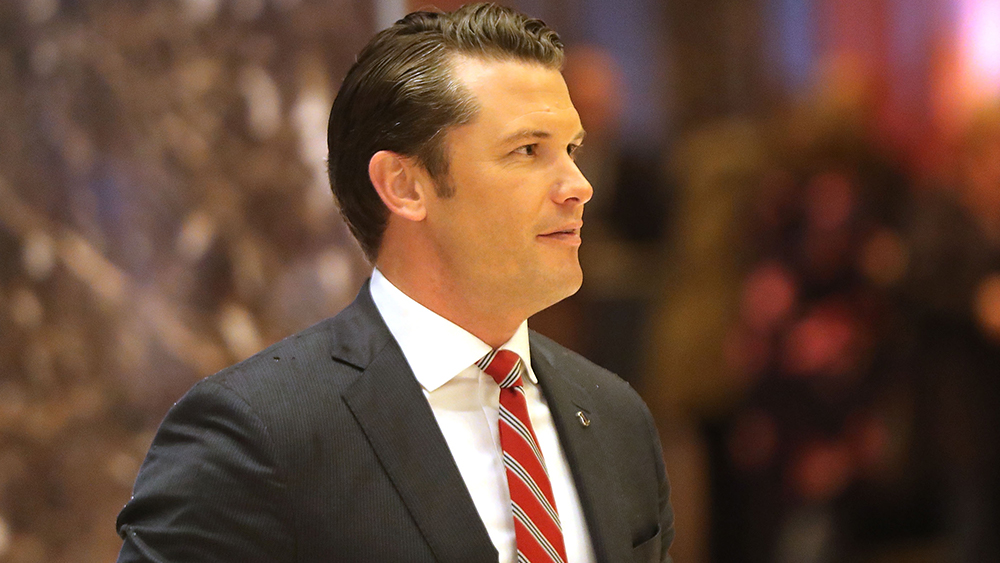
U.S. War Secretary warns Europe faces migration ‘invasion’ as EU prepares major policy overhaul
By Willow Tohi // Share
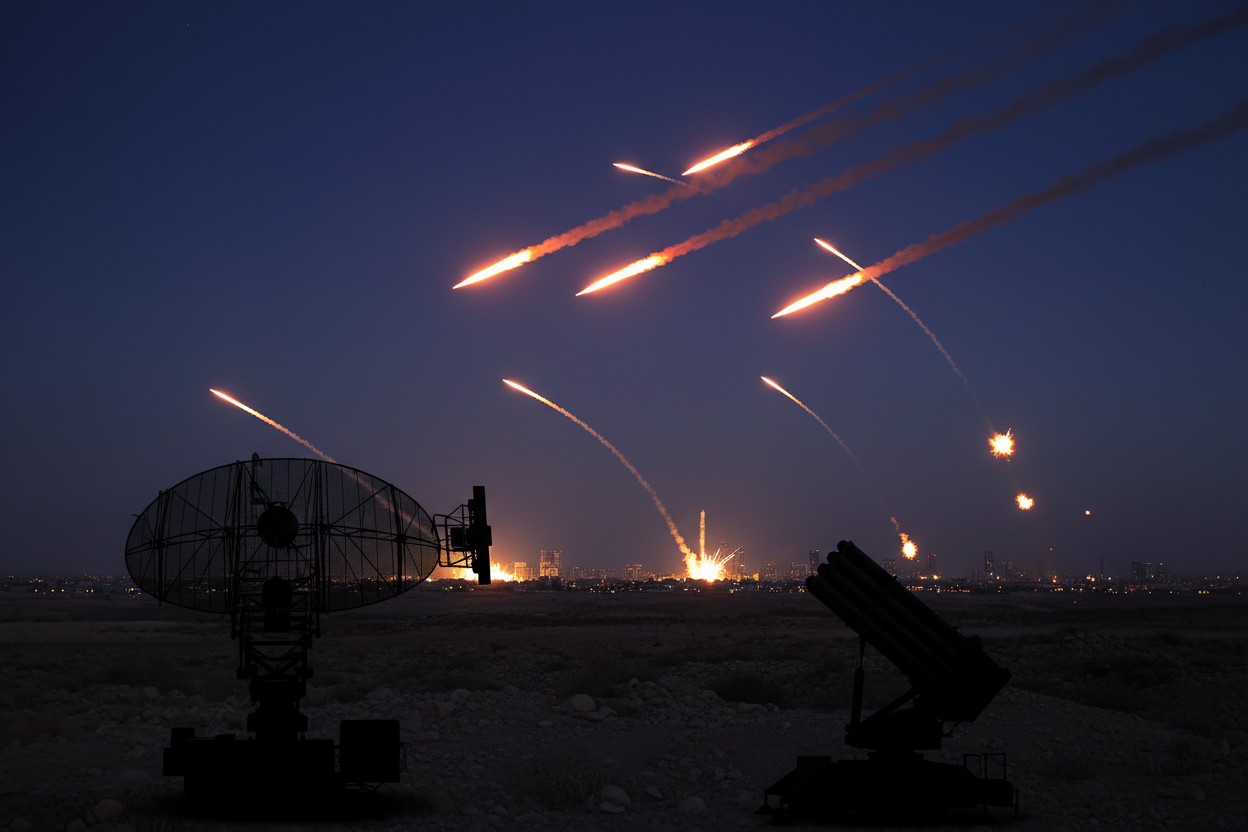
Iran Launches First Direct Strike on Israeli Targets, Analysts Say Conflict Enters New Phase
By Garrison Vance // Share
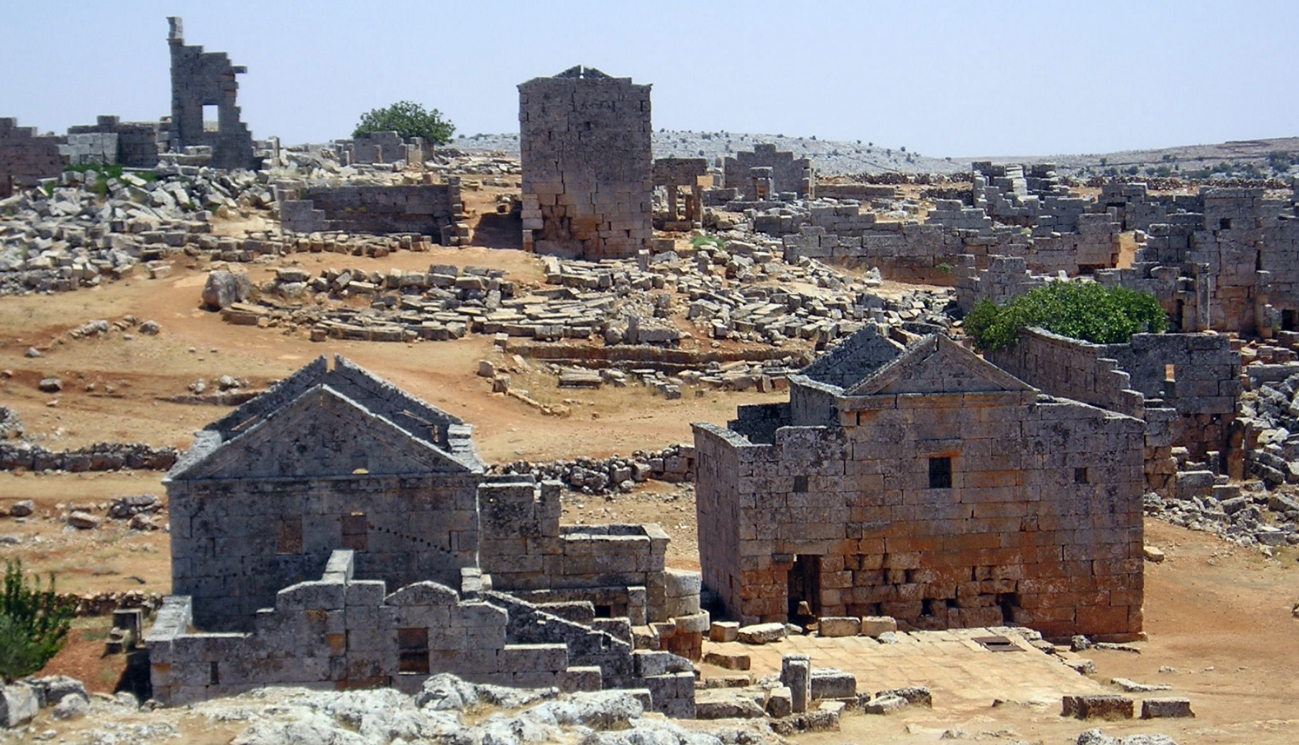
U.S. bombs Syrian farmlands in elaborate $250M “political theater”
By Jacob Thomas // Share

Iran Proposes Four-Stage Deal With U.S. as Overnight Clashes Intensify
By Edison Reed // Share

Trump Administration Announces $850 Million for Coal Plant Modernization, Two New Plants
By Garrison Vance // Share

Routes of Fire: A journey through the dark heart of global power
By Belle Carter // Share

Full-fat dairy reconsidered: New science challenges decades of dietary dogma
By willowt // Share
Hegseth Says Public Will Be Able to Watch Fort Hood Shooter's Execution by Firing Squad
By douglasharrington // Share

Trump Considering Suspending Federal Gas Tax as States Lower Fuel Levies
By sterlingashworth // Share

South Korea Ambassador to Kyiv Recalled Over Prisoner Transfer Dispute
By garrisonvance // Share

DHS Proposes $70,000 Fee for Foreign Students in Optional Practical Training
By douglasharrington // Share