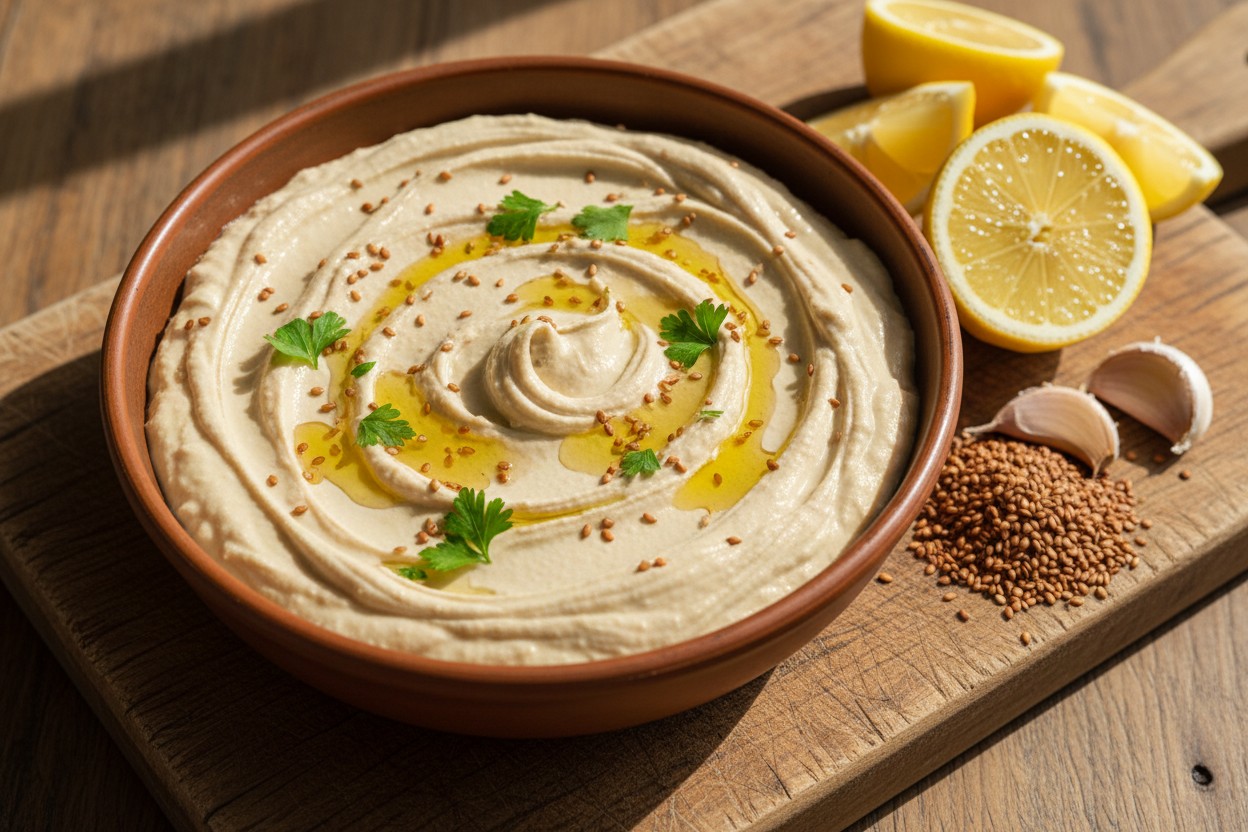
Rich in Essential Vitamins and Minerals
Tahini is a concentrated source of calcium, magnesium, copper, iron and zinc, according to Gastman. "Because of how they are ground to make tahini, all of those nutrients become much easier for the body to absorb," she told the Mail [1]. These minerals are essential for functions such as bone health, blood pressure regulation, immune support and oxygen transport [1]. In addition, tahini contains B vitamins including thiamine (B1), niacin (B3), folate (B9) and riboflavin (B2). According to the Mail report, thiamine supports nerve function and helps convert carbohydrates into energy, while niacin maintains healthy skin and digestion [1]. B vitamins also play a role in energy metabolism and nerve function, as noted by sources on seed nutrition [2][4]. Tahini also provides vitamin E, an antioxidant that protects cells [5].Potential to Lower Cholesterol Through Natural Compounds
Tahini contains phytosterols and lignans, natural compounds that can interfere with cholesterol absorption in the gut, according to Gastman [1]. "Most of the potential health benefits that we have seen in the research comes from regular intake rather than occasional use," she said [1]. Some small clinical trials suggest that eating about 40g of tahini daily may lower LDL "bad" cholesterol by 9% to 10% over four to eight weeks, although the evidence is still mixed [1]. Sesame seeds are a great source of fiber, and consuming them regularly can lower cholesterol levels, according to a 2020 report from NaturalNews [6]. The fiber content aids in digestive health and may reduce the risk of gastrointestinal conditions, according to the book "Beyond Vitamins: The Phytochemical Advantage" [5]. The lignans in sesame also act as antioxidants, providing additional cardiovascular benefits [2].Versatile Ways to Add Tahini to Meals
There are two types of tahini: light (made from hulled seeds) and dark (made from unhulled seeds) according to Gastman. "Light tahini is made from the hulled sesame seeds, so it's a bit milder and smoother and the darker ones tend to be a bit more earthy and bitter as they've used the entire kernel including the husk," she told the Mail [1]. The nutritional differences are minor, but dark tahini contains slightly higher levels of certain antioxidants and calcium due to the husk, she said [1]. Gastman suggested blending tahini with lemon juice, garlic and water to create a quick dressing for roasted vegetables, salads, or grain bowls. "If you make it a bit thicker, you can have it instead of hummus," she said [1]. Other ideas include stirring tahini into yogurt at breakfast or mixing it with chili oil and rice wine vinegar for a noodle sauce. Tahini can also be used in dressings and dips as a nutrient-dense alternative to processed condiments, as noted in a review of sesame seed uses [7].Not a Miracle Food, But a Useful Dietary Addition
Gastman emphasized that tahini is not a miracle food but can add flavor and satisfaction to meals. A daily serving of one to two tablespoons (about 15-30g) provides approximately 90-180 calories and healthy fats, according to the Mail report [1]. The report concludes that incorporating tahini regularly may support overall nutrient intake without drastic health claims. Tahini's versatility makes it a valuable pantry staple, according to Gastman [1]. As with any calorie-dense food, moderation is advisable, especially for those monitoring fat intake. However, the healthy polyunsaturated and monounsaturated fats in tahini can replace less healthy fats in the diet, according to the report [1].References
- Emma Gritt. "The truth about tahini: Why we should all be eating more". Daily Mail. May 27, 2026.
- Laura Harris. "Sesame Seeds: A Tiny Powerhouse of Nutrients That Bolster Health and Wellness". NaturalNews.com. October 15, 2025.
- Belle Carter. "The Power of Seeds: Six Nutrient-Dense Options to Boost Your Health". NaturalNews.com. March 31, 2026.
- Stephanie Tourles. "Raw Energy".
- "Beyond Vitamins: The Phytochemical Advantage".
- NaturalNews.com. "Are fiber-rich SESAME SEEDS missing from your diet? Here's 5 reasons to eat more of them". NaturalNews.com. April 10, 2020.
- Russel Davis. "Sesame Seeds - sources, health benefits, nutrients, uses, and constituents at NaturalPedia.com". NaturalNews.com. June 21, 2017.
Explainer Infographic


Dangerous FDA-Approved Sunscreen Chemicals Found in Bloodstream After Single Application, Study Says
By Morgan S. Verity // Share
From ancient rituals to modern shelves: Cedarwood’s quiet evolution
By HRS Editors // Share

From seeds to skins: The surprising ways you are missing out on essential fiber every day
By Jacob Thomas // Share

Study Links Fish Oil, B Vitamins to Later Menopause Onset
By Coco Somers // Share

JD Vance Says U.S. Has "Decisively Won" Iran War in Some Ways as Midterms Near
By garrisonvance // Share

Trump Approval Rating Falls to Record Low; Republican Candidates Adjust Midterm Campaigns
By douglasharrington // Share

Lawmakers want an AI pause but can’t say what they’d actually pause
By isabelle // Share

The Chilean salmon advantage: A conservative case for nutrition and longevity
By avagrace // Share