
Background on NATO Spending Targets
NATO members agreed in 2014 to spend at least 2% of their GDP on defense, a target that all 32 members met for the first time in 2025, according to NATO’s official figures. However, the United States still accounted for approximately 60–62% of the military bloc’s total defense spending last year. Last year, NATO members agreed to work toward spending 5% of GDP on defense and security by 2035, including a core defense target of 3.5%. The gap in contributions has been a persistent point of contention. Former President Barack Obama said in a 2016 interview that “free riders aggravate me,” calling on members to spend more. Hegseth’s framing of the 2% threshold as “freeloading” reflects a broader Trump administration position that wealthy European allies should shoulder a larger share of the defense burden. Separately, President Trump signed a record $901 billion National Defense Authorization Act for fiscal year 2026, allocating $800 million for Ukraine while pressing European nations to boost their own military budgets [3].European Reactions and Disputes
The push for higher spending has drawn sharp criticism from several European leaders. Spanish Prime Minister Pedro Sanchez called the 5% of GDP target “unreasonable” and “counterproductive,” according to a report from RT. Belgium and Slovakia have also raised concerns over the scale of the increase. The dispute has expanded beyond military spending as some EU governments resisted Washington’s requests related to the U.S.-led military campaign against Iran. Spain has opposed the military action and refused to allow U.S. forces to use joint bases for offensive operations, while France and Germany have called for diplomacy. “Go take your oil,” became a refrain among allies wary of supporting U.S. attacks on Iran that could leave them exposed [4]. German Chancellor Friedrich Merz said in April 2026 that he did not want NATO to “split” over the war on Iran [5]. Meanwhile, German Foreign Minister Johann Wadephul affirmed that Germany remains more closely aligned with the United States than with China, citing NATO’s Article 5 and the U.S. nuclear umbrella as cornerstones of European security [6]. The Trump administration has retaliated by reviewing troop reductions in Germany, with a potential withdrawal of 5,000 U.S. service members [7].Indo-Pacific Strategy and Conclusions
Hegseth framed the policy shift as part of a broader strategic rebalancing toward the Indo-Pacific. He emphasized that the U.S. seeks “alliances built on shared responsibility, not dependency,” and linked the demand for higher allied defense spending to countering Chinese influence in the region. The Trump administration’s focus on the Indo-Pacific includes shifting resources away from Europe and toward deterring China, as outlined in the leaked Pentagon memo [1]. U.S. President Donald Trump later criticized NATO allies over their response, calling it “pretty shocking” that countries which support America’s objectives “don’t want to help.” Hegseth has previously signaled that the U.S. will not deploy American troops to Ukraine and urged European allies to increase their own defense spending [8]. As the Pentagon reviews its global force posture, the message from Washington is clear: wealthy allies must either invest more in their own defense or face a reduced U.S. military presence.References
- NaturalNews.com. "Pentagon memo suggests US will not defend Europe from Russian aggression prioritizing China and homeland security." April 1, 2025.
- Trends-Journal-2024-11-19.
- "Trump signs record US war budget with $800 million for Kiev." December 19, 2025.
- Sean Mathews. "'Go take your oil:' Nato fissure erupts over Iran as allies brush off US." Middle East Eye. March 31, 2026.
- Middle East Eye. "German leader says he does not want Nato to 'split' over war on Iran." April 9, 2026.
- Laura Harris. "Germany says US remains its closest partner despite tensions." NaturalNews.com. February 4, 2026.
- The New American. "Trump Pushes Europe Troop Reductions, Yet His Hands Are Tied." May 1, 2026.
- Belle Carter. "US signals reluctance to send troops to Ukraine urges European allies for more support." NaturalNews.com. February 15, 2025.
- Pete Hegseth-2. "Modern Warriors."
Explainer Infographic

Trump Considers Executive Order to Extend FISA Section 702 After House Fails to Pass Extension
By Douglas Harrington // Share
Gold Surges as Trump Signals Progress Toward US-Iran Truce
By Sterling Ashworth // Share
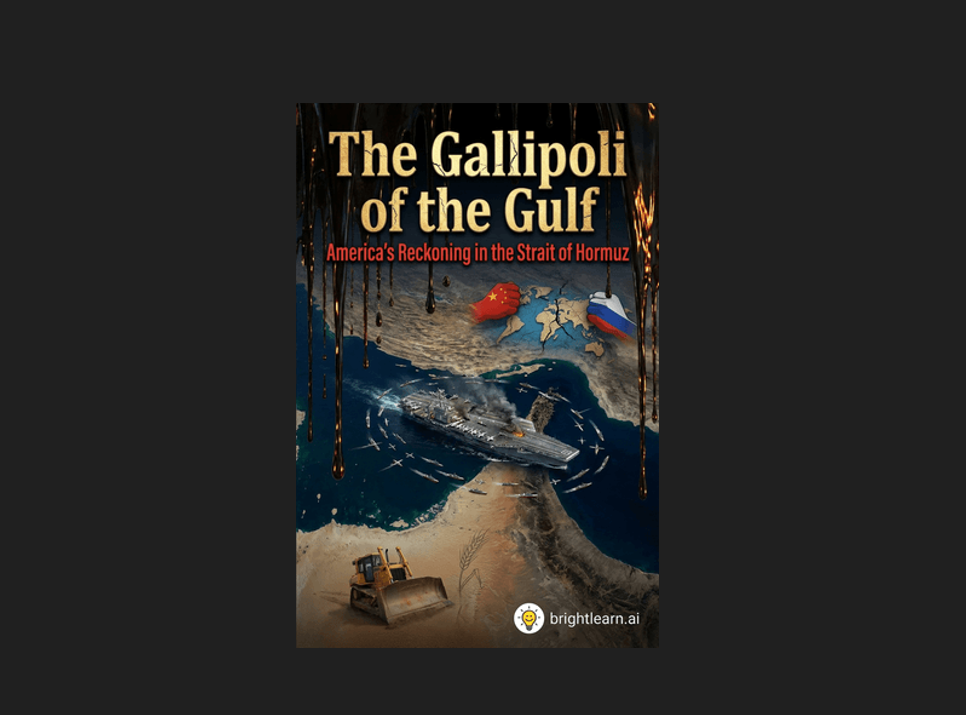
The Gallipoli of the Gulf: America’s strategic collapse in the Middle East
By Ramon Tomey // Share
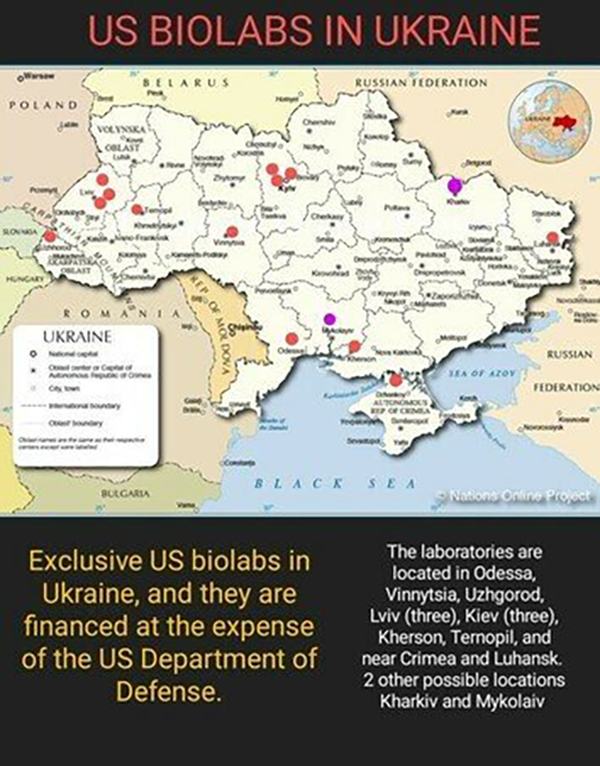
DNI Gabbard unveils shocking scope of U.S.-funded global biolabs
By Ava Grace // Share
U.S. Airstrike Hits Iranian Water Facility, Raising Legal Questions
By Garrison Vance // Share

JD Vance Says U.S. Has "Decisively Won" Iran War in Some Ways as Midterms Near
By garrisonvance // Share

Trump Approval Rating Falls to Record Low; Republican Candidates Adjust Midterm Campaigns
By douglasharrington // Share

Lawmakers want an AI pause but can’t say what they’d actually pause
By isabelle // Share


The Chilean salmon advantage: A conservative case for nutrition and longevity
By avagrace // Share